
















A wide-angle lens takes in more of the scene and is used for landscape, architecture, tight rooms and starry skies. The shorter the focal length, the wider the image, but also the more visible the perspective distortion near the edges. Check that the lens is made for the sensor format and mount of your camera. Many wide angles with a protruding front element do not take screw-in filters and need a filter holder.
Read more about wide-angle lenses


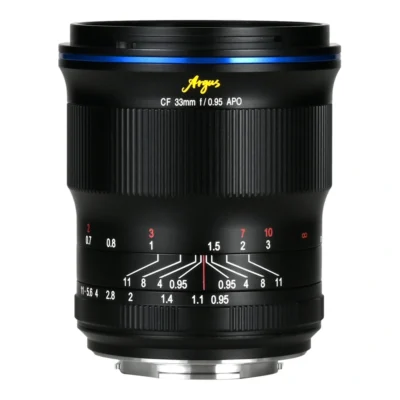
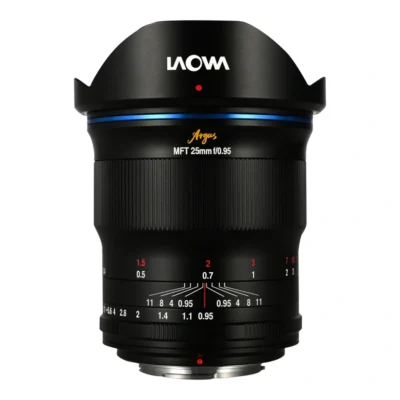

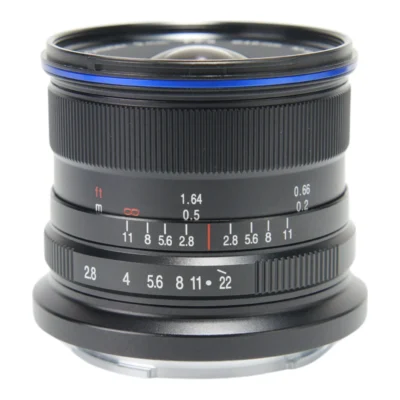


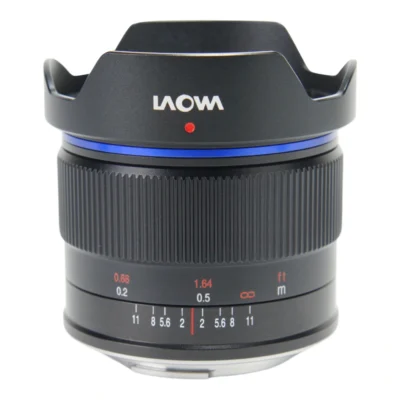

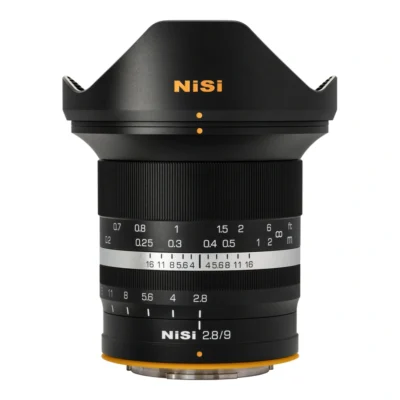
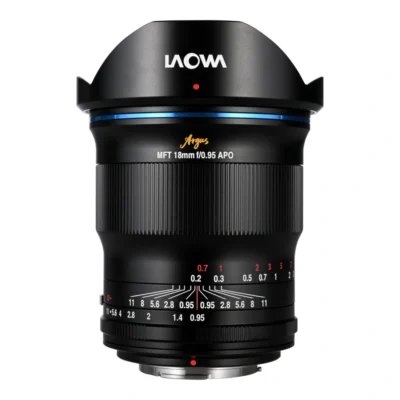
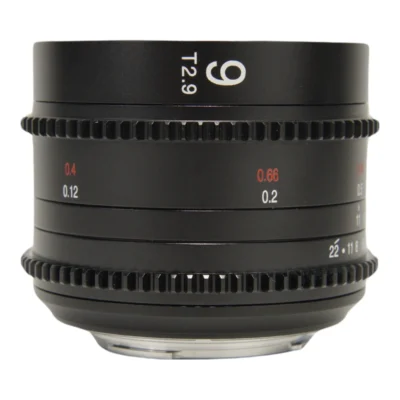


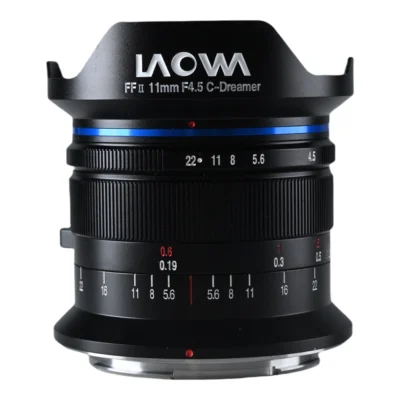

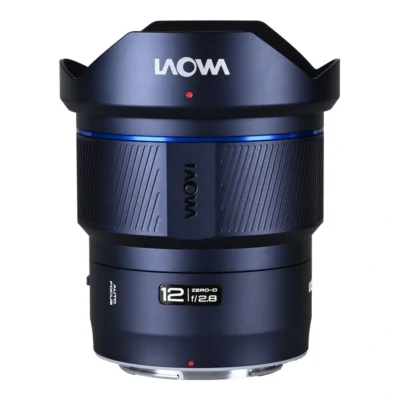
A wide-angle lens takes in more of what surrounds you than your eye sees at once. It is the lens for big landscapes, cramped rooms and tall buildings. It also asks more of the photographer, because a wide frame turns messy fast when nothing in it holds the composition together.
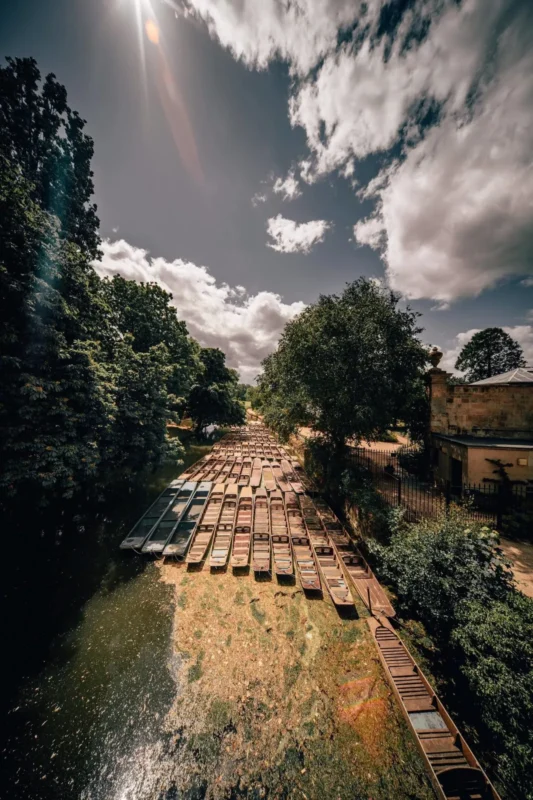
Which focal lengths count as wide-angle?
The borders are loose, but this is the usual split. The numbers change with sensor size, because a smaller sensor crops the image.
| Sensor format | Wide-angle | Ultra-wide |
|---|---|---|
| Full frame | approx. 24-35 mm | below 24 mm |
| APS-C | approx. 16-23 mm | below 16 mm |
| Micro Four Thirds | approx. 12-17 mm | below 12 mm |
Between 24 and 35 mm on full frame you have a wide lens you can use for almost anything, street and environmental portraits included. Below 20 mm the effect becomes obvious. At 12 mm and shorter the view is so wide that you need to watch where your own feet are.
Rectilinear or fisheye
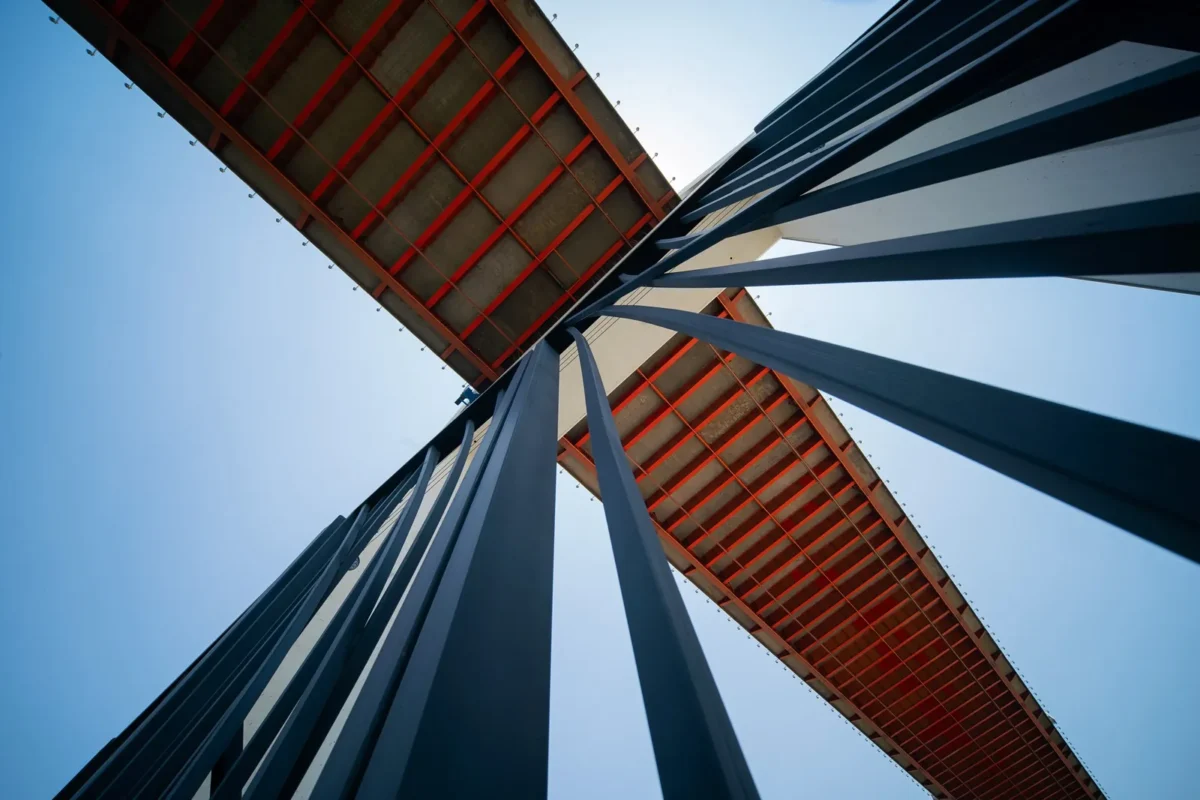
Most wide-angle lenses are rectilinear. Straight lines stay straight in the image, even near the edges. Laowa calls its extra-low-distortion designs Zero-D, and they are popular for architecture and interiors, where a bent door frame shows at once.
A fisheye does the opposite. It bends lines on purpose to fit in an angle of view of up to 180 degrees. The result looks round and a bit unreal, which suits skateboarding, tight spaces, skies and effect shots. Fisheyes come both as primes and as zooms.
You can straighten a fisheye frame afterwards if you want something in between, but you lose part of the edges.
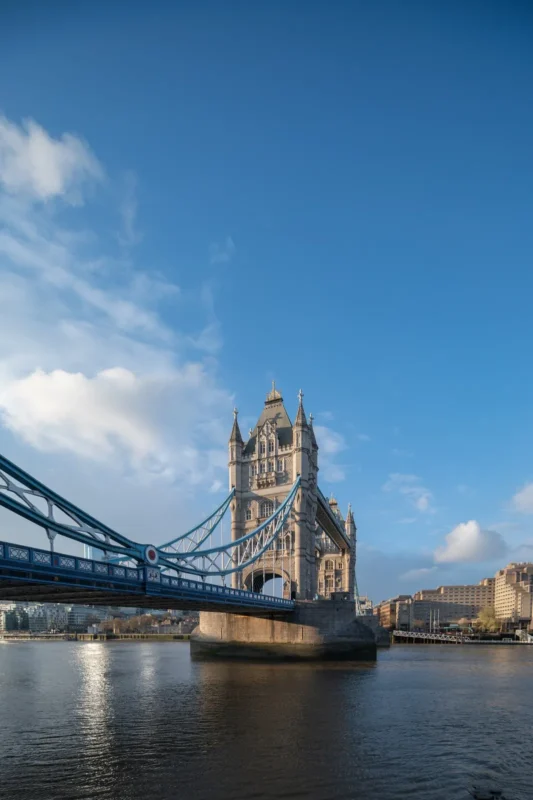
Converging lines and shift lenses
Point a wide lens up at a tall building and the walls lean in towards each other. The lens is not to blame. The sensor is simply no longer parallel to the facade, and a wide angle just makes it more visible.
There are three ways to deal with it. Keep the camera level and crop away the foreground later. Correct the lines in software, which costs pixels at the edges. Or use a shift lens, where the optics slide upwards while the camera stays level. That is what architecture photographers do. Laowa also makes a shift converter that lets you shift certain DSLR lenses on a mirrorless body.
Landscapes, interiors and the night sky
Many wide-angle lenses focus down to 12 to 20 centimetres. That lets you get really close to a rock, a flower or a fence and keep the landscape behind it, which is the easiest way to give a wide frame depth. Get low and move closer to the foreground than feels natural.
Indoors the rule flips: keep the camera level and at about chest height, or the room looks odd. A low-distortion lens saves a lot of editing.
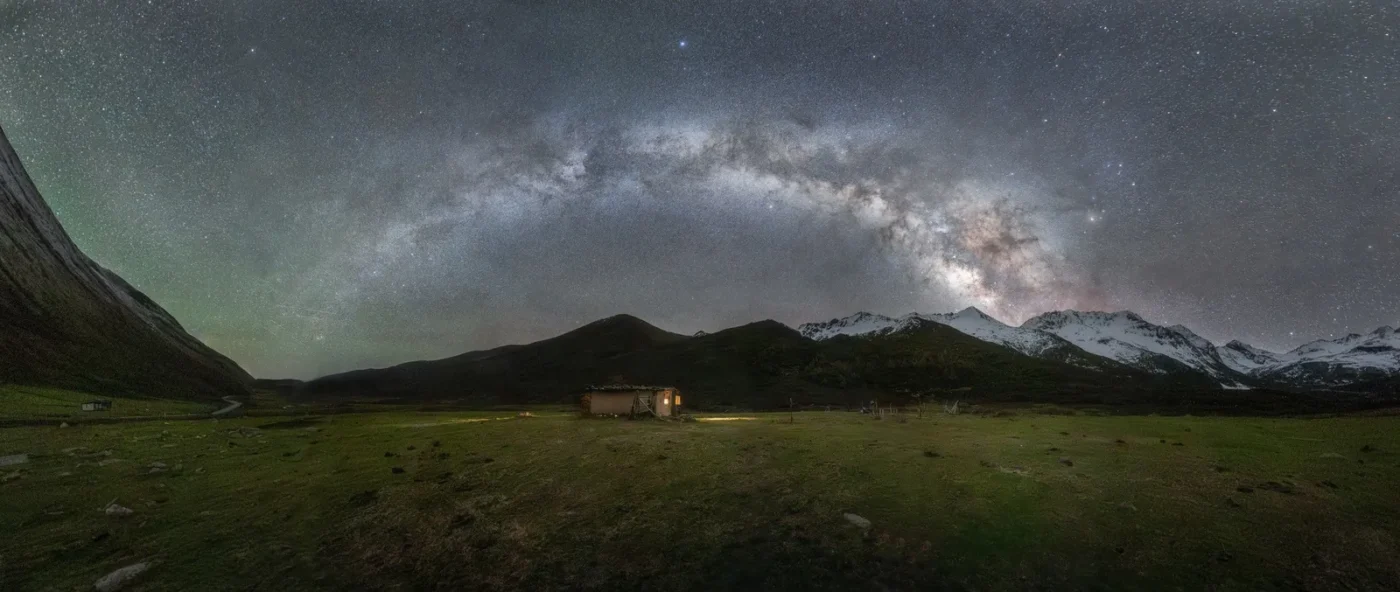
For stars and the northern lights you want a wide view and a big aperture, ideally f/2.8 or faster. The shorter the focal length, the longer the shutter can stay open before stars start to trail. Focus manually on a bright star using viewfinder magnification, and do not trust the infinity mark on the ring.
Filters on wide-angle lenses
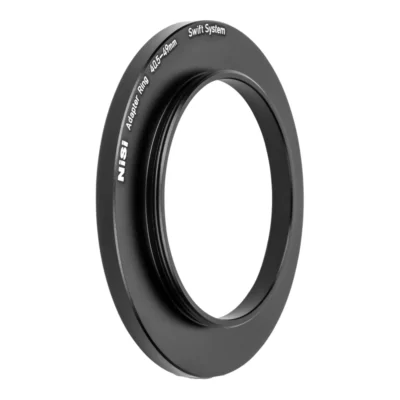
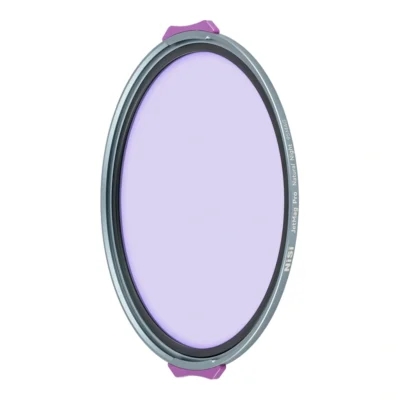
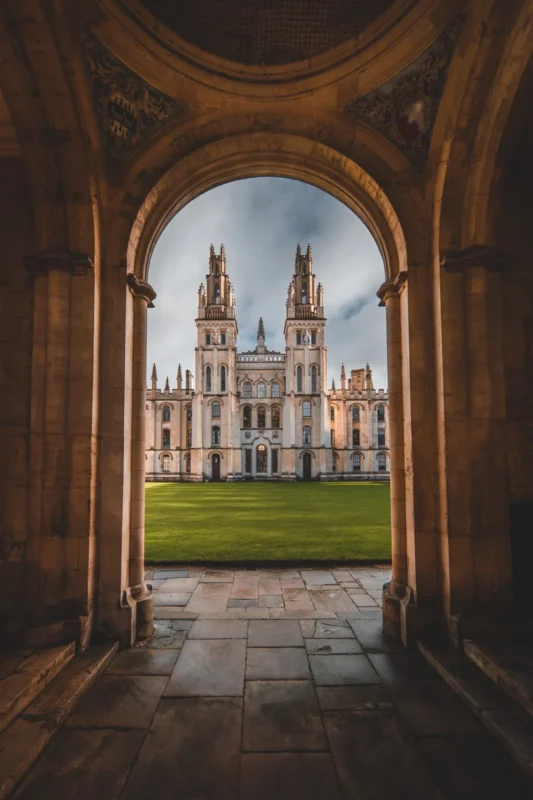
Ultra-wides often have a bulging front element. Then there is no filter thread, and ND or graduated filters for long exposures go in a filter holder made for that lens instead. Check this before you buy if you shoot a lot with filters. Many wides with a flat front take ordinary screw-in filters, often 77 mm or larger.
A polarizer gives an uneven sky at very wide angles, because the sky's polarization varies across the frame. It shows up as a dark band. Below about 20 mm on full frame you are usually better off without one. Our polarizer guide has more on this.
What to check when you choose
Start with the mount. Many of our wide-angle lenses come for Nikon Z and Canon RF, and several also for Sony E, L-mount and Fujifilm X. Looking for a wide-angle for Nikon or Canon? Make sure the version matches your body and not an older mount.
Most Laowa wides are manual focus, and that works better here than on other lenses. At 12 mm and f/8 nearly everything from a metre to the horizon is sharp. Some versions have autofocus for those who want it.
If you own a Ricoh GR, NiSi makes conversion lenses that fit in front of the built-in lens and widen the view by a factor of 0.78. It is lighter than carrying a second camera.
One last piece of advice: do not buy the widest focal length just because it exists. A 14 or 15 mm on full frame is more useful day to day than a 9 mm, which comes out mainly when the subject really calls for it.
Frequently asked questions about wide-angle lenses
What is a wide-angle lens?
A wide-angle lens has a short focal length and takes in a wider view than the eye. On full frame, about 35 mm and shorter counts as wide. It is used mostly for landscapes, architecture, interiors and the night sky.
Which focal length is wide-angle on APS-C and Micro Four Thirds?
On APS-C, roughly 16 to 23 mm is wide-angle and anything below 16 mm is ultra-wide. On Micro Four Thirds wide sits around 12 to 17 mm. The sensor crops the image, so the same focal length looks narrower on a smaller sensor.
Are there wide-angle lenses for Nikon and Canon?
Yes, many of our wide-angle lenses come for Nikon Z and Canon RF. Always pick the version for the right mount, as Nikon and Canon also have older DSLR mounts.
What is the difference between a fisheye and a wide-angle lens?
A regular wide-angle keeps straight lines straight. A fisheye bends them to fit in up to 180 degrees, which gives a round and clearly distorted image.
Why do buildings lean in wide-angle photos?
It happens when the camera is tilted upwards, so the sensor is no longer parallel to the facade. Keep the camera level, correct the lines afterwards or use a shift lens.
Can you use filters on an ultra-wide lens?
If the lens has a bulging front element with no filter thread, you need a filter holder made for that lens. Lenses with a flat front take normal screw-in filters. Polarizers often give an uneven sky at very wide angles.