
















Colour negative is the easiest to get right, because it tolerates exposure errors and can be developed at ordinary labs. Slide film gives finished positives with strong colours, but needs careful metering and a special development process. Choose the speed by the light: low ISO for sun and fine grain, higher for indoors and overcast days.

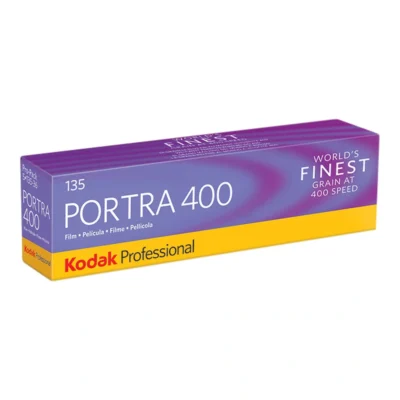
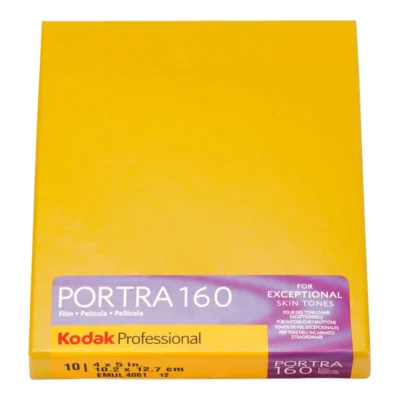

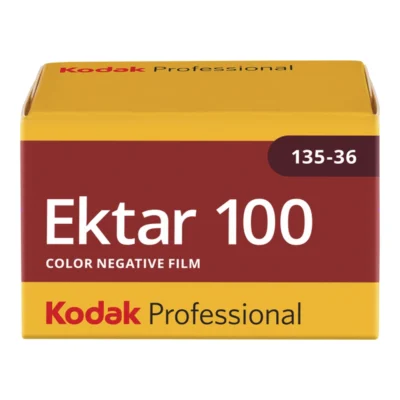




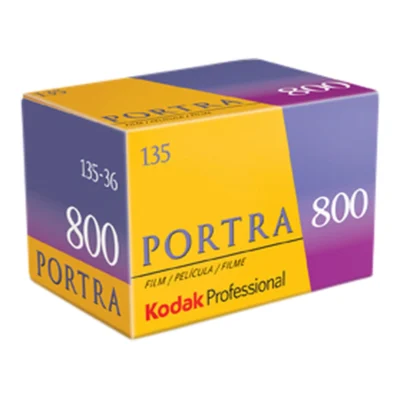


Almost all the colour film we carry is made by Kodak, along with an ISO 400 film from AgfaPhoto. The brand matters less than three choices: negative or slide, the speed your light calls for, and whether you want an everyday film or one made for portraits and scanning.
Colour negative and slide film are further apart than they sound
Colour negative gives an orange negative image that turns positive when it is printed or scanned. It is developed in the C-41 process, which almost every photo lab runs. Negative film has a lot of room on the overexposure side. One or two stops too much light barely shows, while too little quickly gives muddy shadows and more grain. When in doubt, give the film a little extra light.
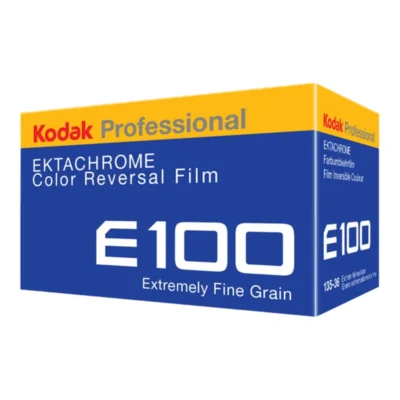
Slide film, also called reversal or positive film, ends up as a finished picture on the film itself. Kodak's slide film is Ektachrome, and it goes through the E-6 process. Fewer labs do E-6 in house, so expect the film to be sent on and to wait longer. What you get back are transparencies you can project or put on a light box, with clean colours and deep blacks.
Slide film forgives little. Half a stop off is visible. Meter carefully, preferably on the bright parts of the subject, and avoid scenes where deep shade and hard sun have to fit in the same frame.
Pick the ISO for the light and the camera
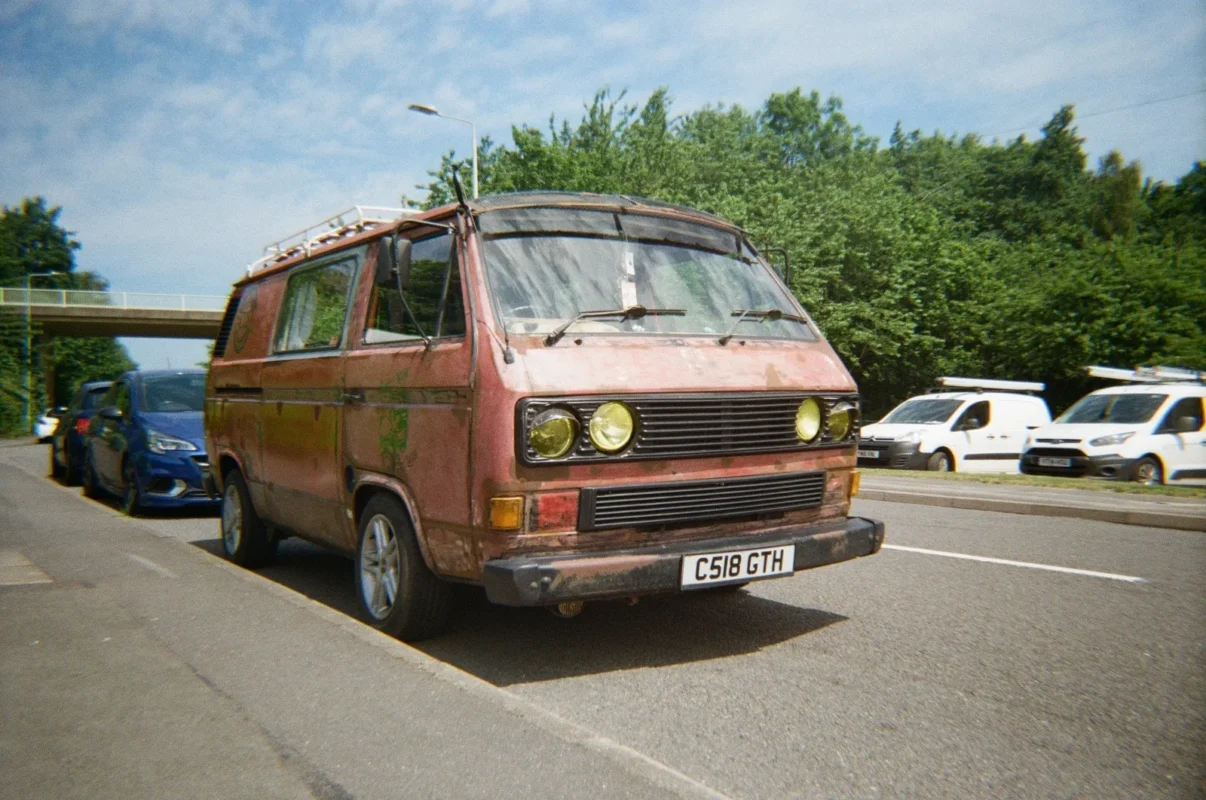
Our colour films run from ISO 100 to 800. Each doubling of ISO makes the film one stop more sensitive. Grain grows with speed, though on modern colour negative the step from 100 to 400 is smaller than many expect.
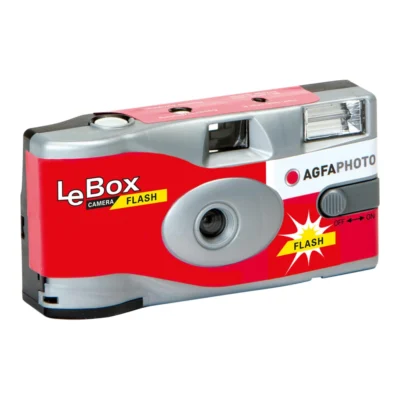
The camera matters as much as the light. A simple camera with a fixed shutter speed and aperture cannot adapt, so ISO 400 is the safe choice there. It copes with sun and cloud thanks to the latitude of negative film. A camera with a meter and adjustable speeds lets you choose more freely.
| Speed | Good for | Keep in mind |
|---|---|---|
| ISO 100 | Sun, landscapes, tripod work, big enlargements | Quickly too dark indoors |
| ISO 160 and 200 | Daylight, outdoor portraits, summer travel | Needs good light in a simple camera |
| ISO 400 | All-round, overcast days, simple cameras | A bit more grain in large prints |
| ISO 800 | Indoors, dusk, evenings without flash | Coarser grain, too much for bright sun with a fixed shutter |
Everyday film or professional film
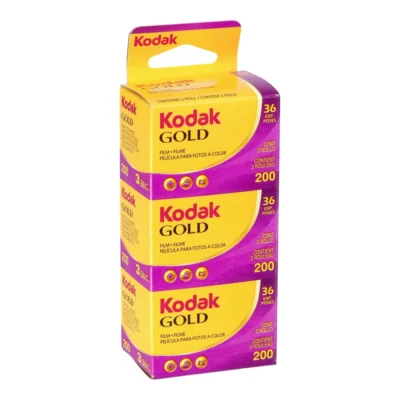
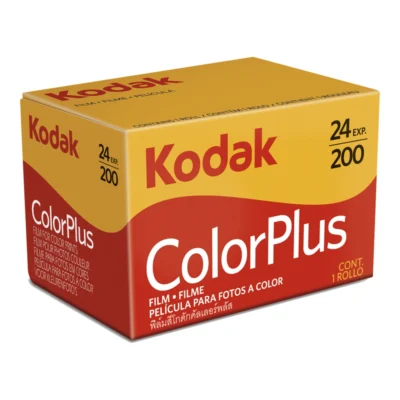
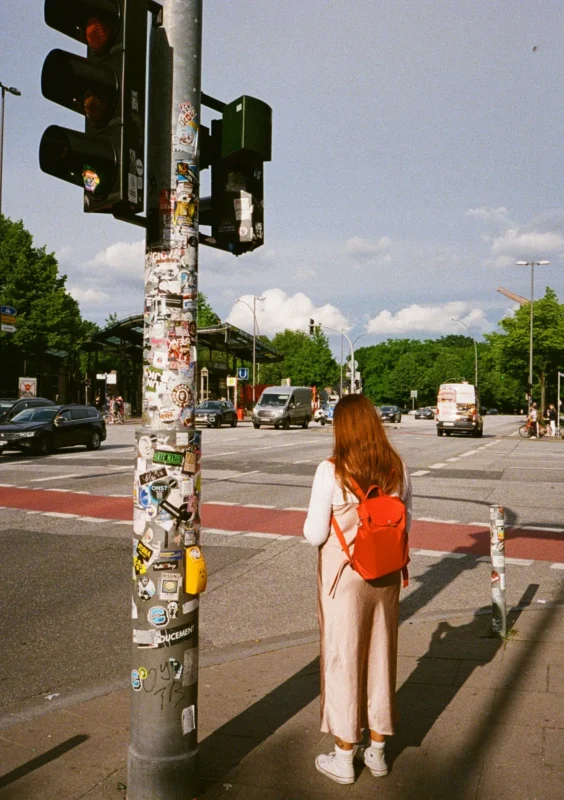
Kodak splits its own range this way. Gold, Ultramax, ColorPlus and Kodacolor are everyday films. Their colours are warmer and a little saturated, they cost less, and they come mainly in 135. Holiday snaps, street photography and the first roll in a new camera suit them well.
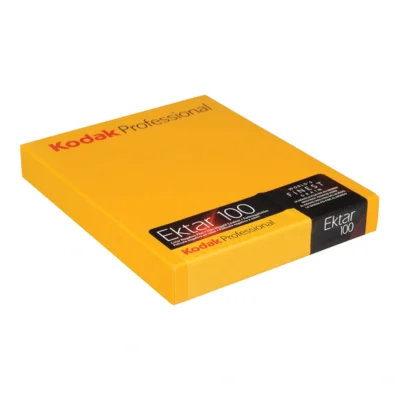
Portra and Ektar sit on the professional side. Portra is built for skin tones, with soft, natural colour and unusual tolerance for overexposure. Ektar has very fine grain and stronger colour, and does its best work with landscapes, architecture and bright daylight. Skin can turn rather red on Ektar, so most people pick Portra for portraits.
The professional films also come in medium format and sheet film, and in 5-packs. Our advice is to buy a few rolls of one film and get to know it rather than switching every roll.

Developing and scanning
Colour negative goes to a lab, and most offer prints as well as scans. The scan decides a lot. The lab sets colour balance and brightness, so the same film can look different from two labs. Once you find one you like, stay with it.
Ask for the negatives back. They are the original, and a new scan years later may get more out of them than the first. If you want to scan yourself, a basic film scanner or a camera with a macro lens goes a long way with colour negative.
C-41 can be done at home with a colour kit, but the developer has to sit close to 38 °C and stay there. It is a lot fussier than black and white. For most people the lab is the sensible route for colour.
Exposing colour film well
Set the film speed on the camera unless it reads it by itself. Many 135 cassettes carry a chequered DX code that cameras read, but older and simpler cameras ignore it.
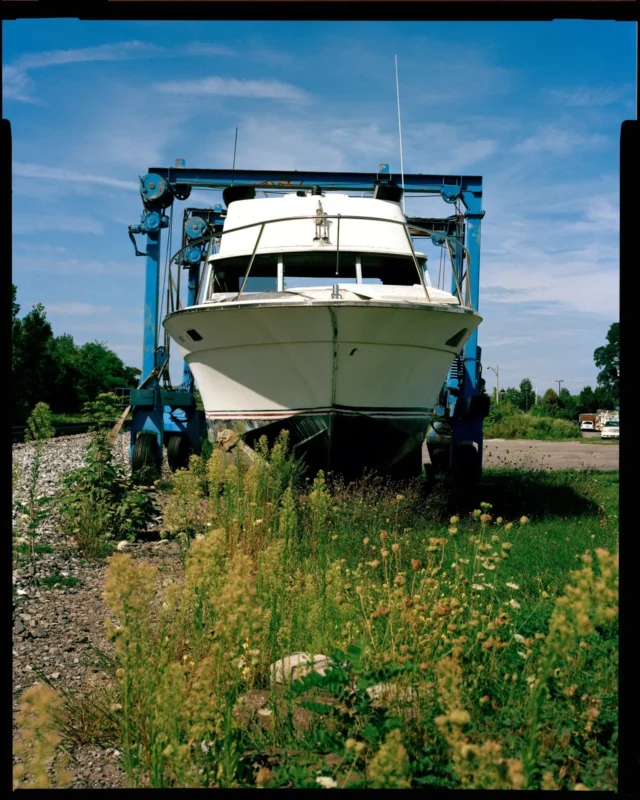
With negative film, meter for the shadows. That is where it loses detail first. With slide film do the opposite and protect the highlights.
Light changes colour. Colour film is balanced for daylight, so tungsten bulbs give a yellow cast and some fluorescent tubes go green. The lab can correct part of it in the scan; slide film cannot be corrected at all. Midday sun from straight above gives hard shadows on any film, while late afternoon makes most things easier.
Old colour film loses speed and can drift in colour. If a roll is past its date, give it a little extra exposure, but do not expect the colours of a fresh one.
Frequently asked questions about colour film
Which colour film should a beginner choose?
An ISO 400 colour negative is the easiest choice, for example Kodak Ultramax. It handles both sun and overcast weather and works in simple cameras with a fixed shutter. Negative film also forgives a fair amount of exposure error.
What is the difference between Kodak Portra and Kodak Gold?
Gold is an everyday film with warm, slightly saturated colour and a lower price. Portra is a professional film made for natural skin tones, with wide overexposure latitude and strong results when scanned. Portra also comes in medium format and sheet film.
Where do I get colour film developed?
Colour negative is developed in C-41, which nearly every photo lab runs. Slide film needs E-6, which fewer labs do themselves. Ask for your negatives back, and for scans if you want digital files.
What is slide film?
Slide film, also called reversal or positive film, gives a finished positive image on the film instead of a negative. The pictures can be projected or viewed on a light box. It needs careful exposure and is developed in E-6.
Can I use expired colour film?
Yes, but it has usually lost speed and may show colour shifts and more grain. Give it some extra exposure. How much it has changed depends on its age and how it was stored.