








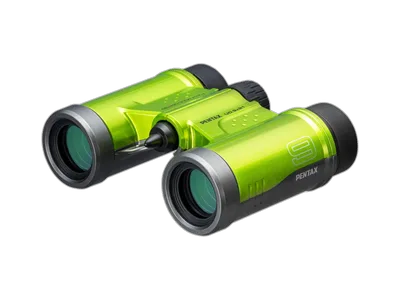








Compact binoculars have a small objective diameter and fit in a jacket pocket, so they come along when larger binoculars stay at home. The small lens lets in less light, so the image gets darker at dusk than in nature binoculars. Choose lower magnification if you want a steady image handheld. Some models have a short close focus and can be used up close.
Read more about compact binoculars
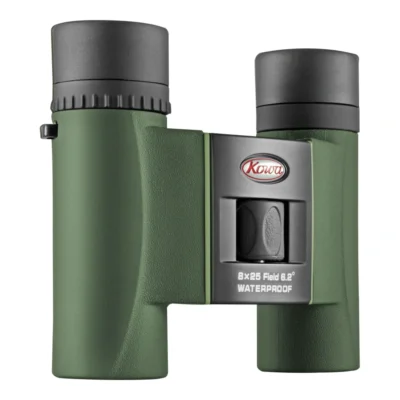

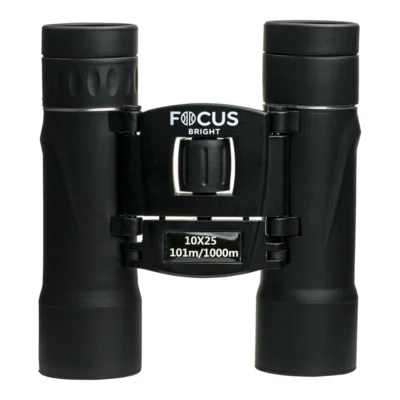


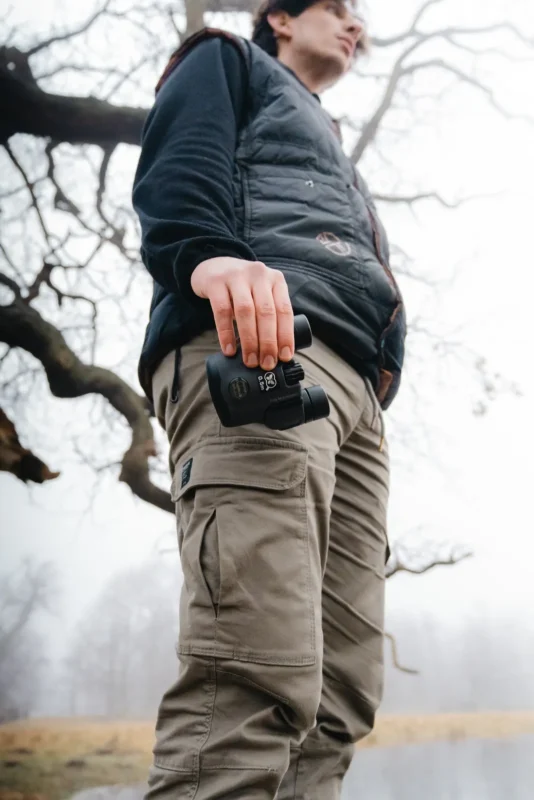
The best binoculars are the ones you have with you when something happens. Compact binoculars weigh a fraction of a full-size pair and fit a jacket pocket, a handbag or a hip belt. They do not do everything as well as a larger pair, but they do it more often.
What counts as compact binoculars?
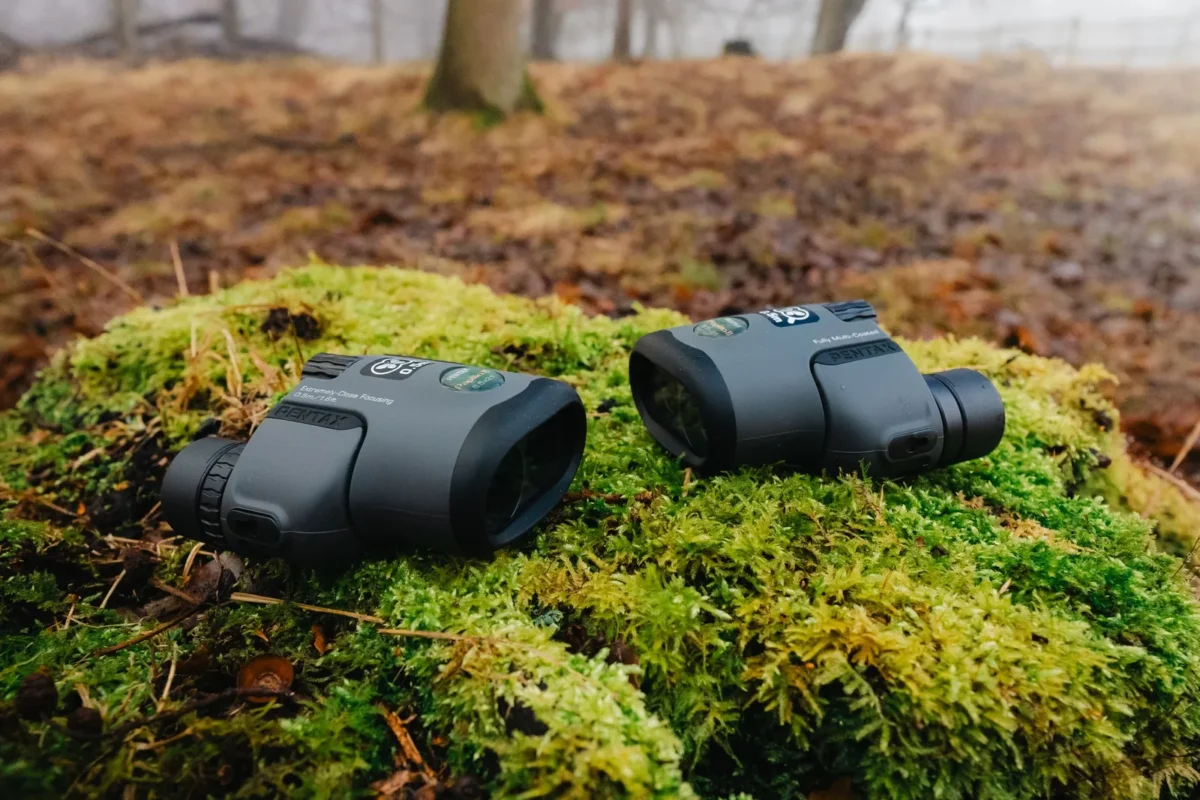
The line runs at roughly 20 to 28 mm objectives. Typical sizes are 8x21, 8x25, 10x25 and 6.5x21. Most weigh between 200 and 300 grams, about as much as a phone and a set of keys.
Many compacts fold at two points so they lie completely flat when not in use. Others have a single hinge like regular binoculars and are simply smaller. The first kind takes the least room. The second is often steadier to hold and easier to set for different eye spacings.
If you wear glasses, check the eye relief before you buy. In small binoculars it is often between 10 and 15 mm, and at the low end you will not see the whole image with your glasses on. It varies a lot between models of the same size, so it is worth comparing.
When compact binoculars are enough
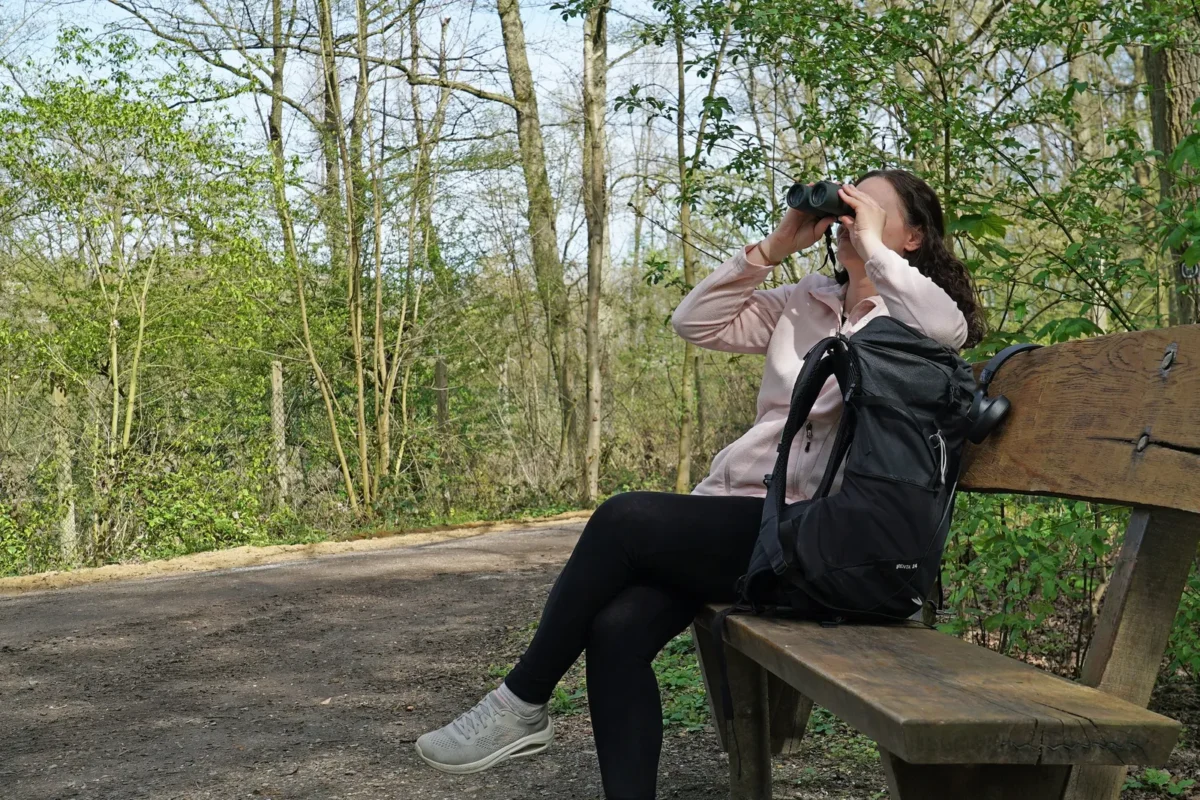
In daylight a good compact shows nearly as much as a big pair. Your pupil is small then, and the small objectives give enough light. On walks, in the city park, on holiday and at a football match they are an excellent choice.
The difference shows at dusk, in dense spruce forest and on a grey November day. The image gets darker and fine detail disappears. If you are thinking of birding at dawn or hunting, nature binoculars with larger objectives are the right tool.
That is why many people own both: a big pair for planned outings and a compact that lives in the jacket.
Magnification in small binoculars
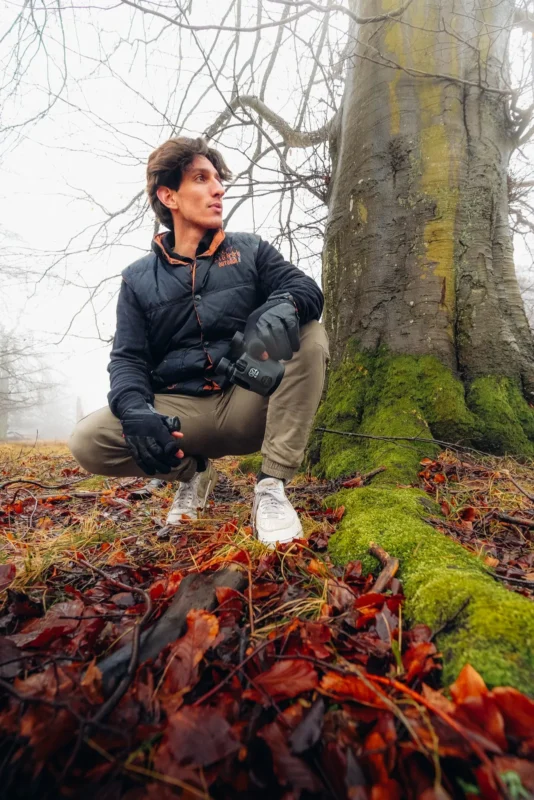
Light binoculars shake more than heavy ones. So 10x is harder to hold steady in a compact than in a full-size pair, and the field gets narrow. For most people 8x is the best balance.
A 6.5x has an even wider field and a brighter image. It works well at the theatre, concerts and museums, where you want to follow the stage or see details in a room without searching.
If you need reach on a trip, say for animals on the savannah or mountain peaks, 10x is an option if you can brace your elbows.
Close focus for museums and nature up close
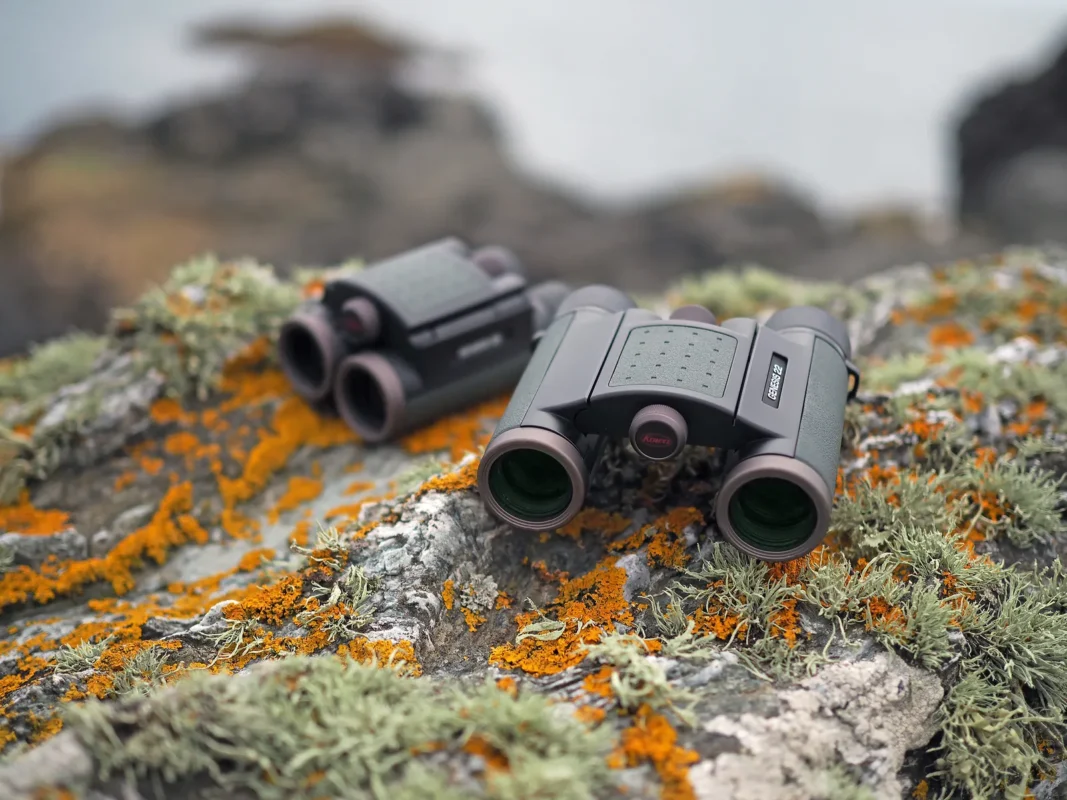
A few compacts focus down to half a metre. Pentax Papilio are built for exactly that, with a design where the objectives angle inwards as you focus close so both eyes see the same thing.
It sounds like a detail, but it changes what the binoculars are for. Butterflies, beetles, lichen and flowers become large and sharp without scaring anything off. In a museum you can study brushstrokes or inscriptions behind glass.
Binoculars for children and monoculars
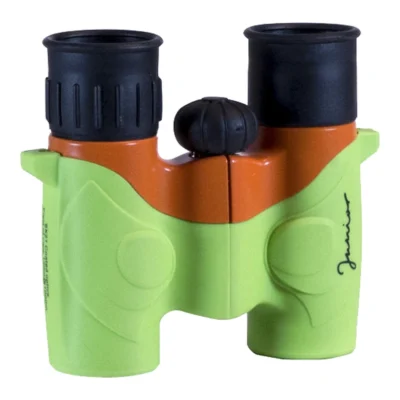
Children have a shorter distance between their eyes than adults. Regular binoculars often do not fold narrow enough, so the child sees two images or a black edge. Binoculars made for kids have a smaller eye spacing, low weight and a rubber-armoured body that survives being dropped. Low power such as 6x makes it easier to find what they are looking for.
A monocular is half a pair of binoculars with a single eyepiece. It is even smaller and works one-handed. It suits a spare optic in the pocket, reading signs and boards, and anyone who sees better with one eye.
Weather, cases and keeping it with you
Check what the sealing covers. Waterproof means the binoculars survive rain and a dunking. Weather-resistant or splash-proof handles showers but not being submerged. If they are going on the kayak or a mountain trip, waterproof is worth it.
Most compacts come with a case and strap. A case with a belt loop or a carabiner keeps them on your hip instead of in the backpack. That alone makes the biggest difference to how often they come out.
Frequently asked questions about compact binoculars
What are compact binoculars?
Compact binoculars are small binoculars with objectives of about 20 to 28 mm, such as 8x21 or 8x25. They usually weigh 200 to 300 grams and fit in a pocket.
What magnification should small binoculars have?
8x is the best balance for most people. 6.5x gives a wider, steadier view and suits theatres and museums, while 10x gives more reach but is harder to hold steady in light binoculars.
Do compact binoculars work at dusk?
Less well than a larger pair. The small objectives gather less light, so the view darkens as the light fades. For dusk and dawn, nature binoculars with 42 mm objectives or larger are better.
Which binoculars suit children?
A pair made for children with a narrow eye spacing, low weight and low power around 6x. Regular binoculars often cannot fold narrow enough for a child's eyes.
Which binoculars suit the theatre and concerts?
Compact binoculars with low power, such as 6.5x or 8x. They are easy to hold steady, have a wide field and take little room in a bag.