


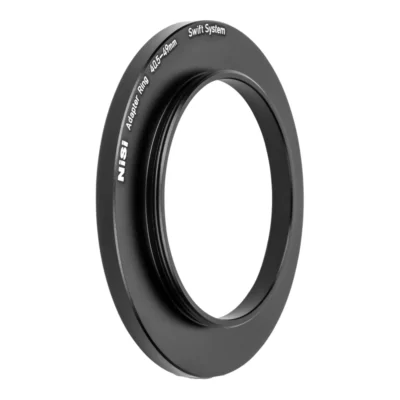




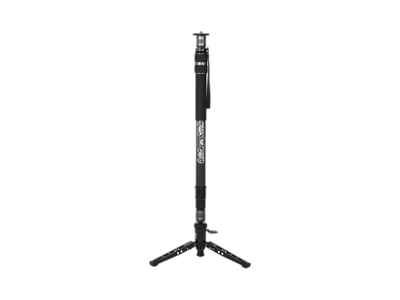










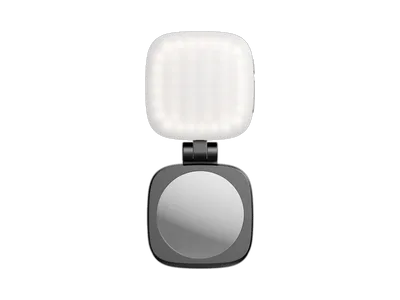
Here are parts that rebuild a tripod or replace something that has broken. A horizontal arm holds the camera out from the legs for shots straight down, a shorter centre column lets the tripod go low, and clamps and arms put the camera on a table or railing. Check that the thread matches and that the part is made for your tripod.
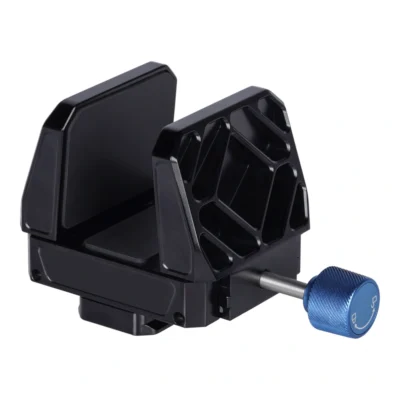
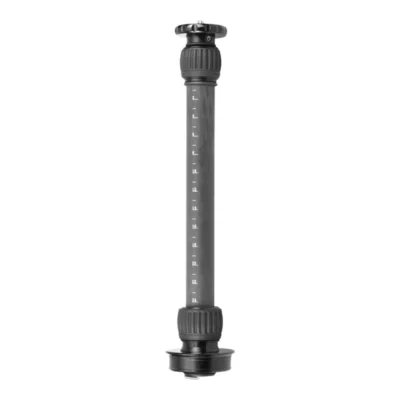
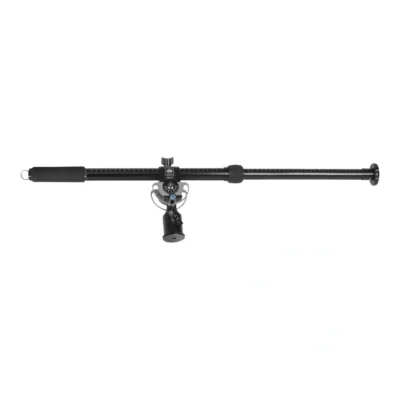
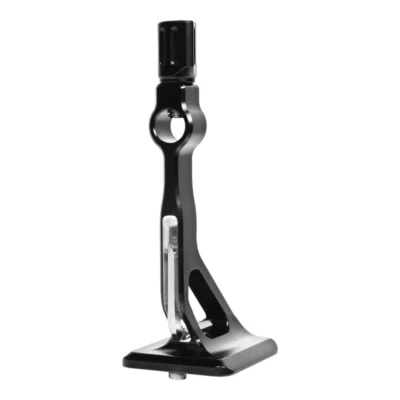
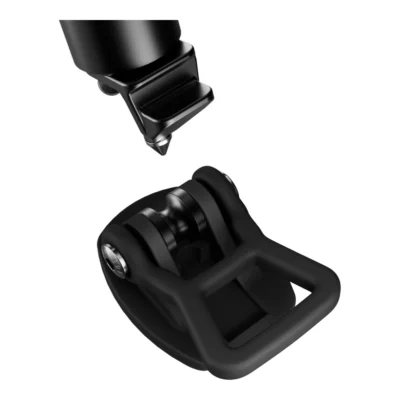
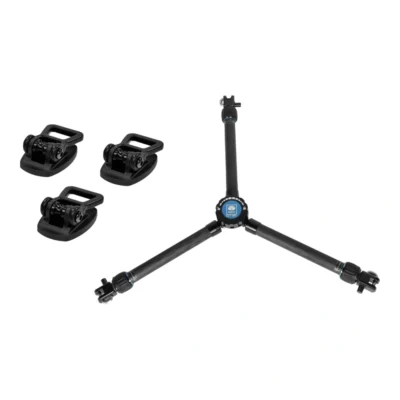
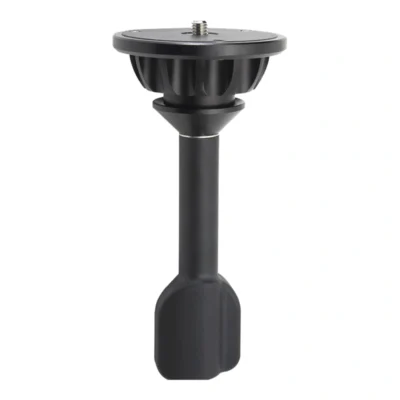
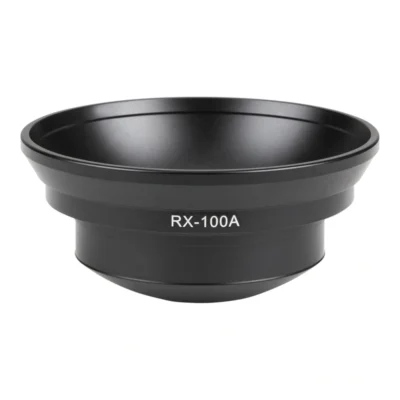
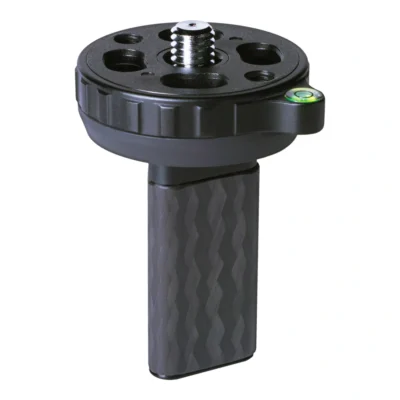
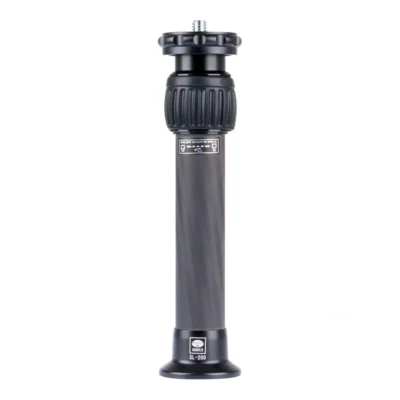
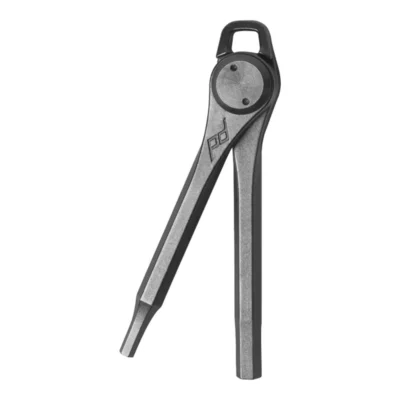
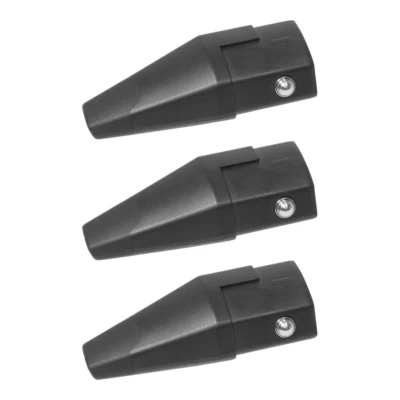
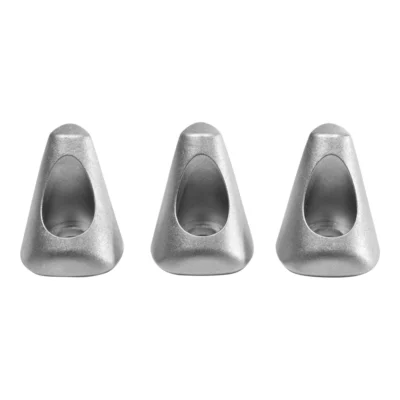
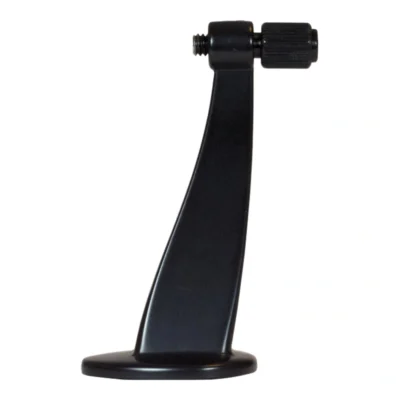
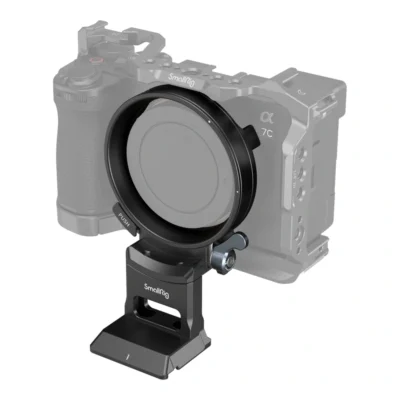

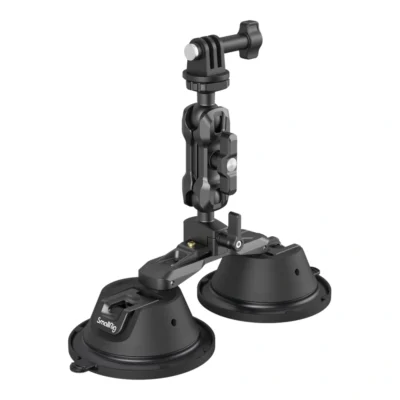
Sometimes what you need is not a new tripod but a way to get the camera where the tripod cannot reach. An arm that holds the camera out over a table, a suction cup on the car, a rail for macro, or just new feet for a tripod you already own and like. This category is the toolbox.
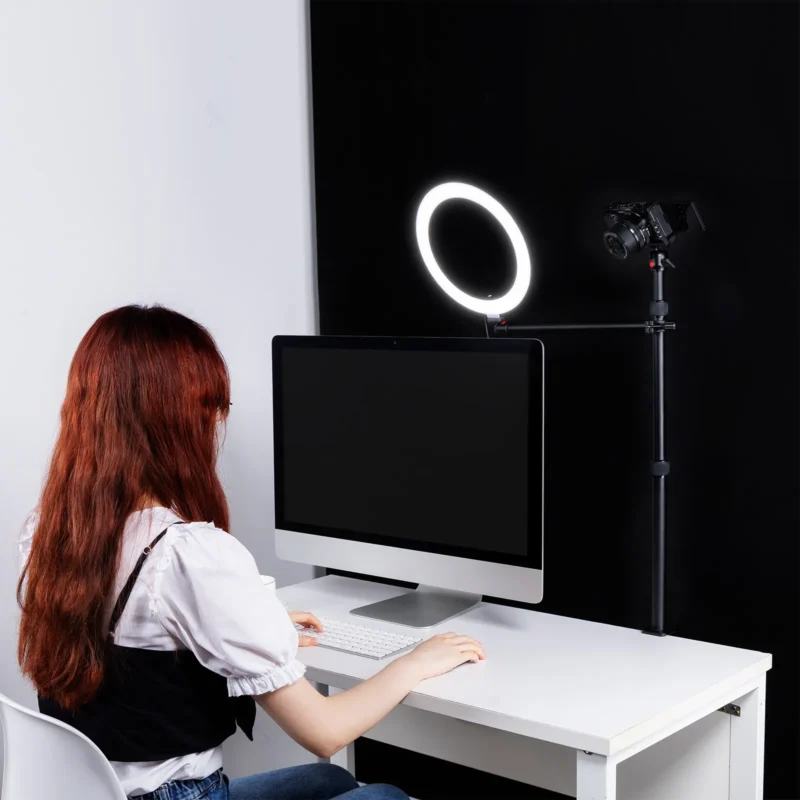
Articulating arms and clamps
An articulating arm, often called a magic arm, has a joint at each end and one in the middle. You bend it to the angle you want and lock all three joints with a single knob. Combined with a clamp at one end, it fixes a camera, monitor, light or microphone to a table, a pipe, a railing or a tripod leg.
The clamp decides where the arm can go. A heavy clamp with crab-like jaws grips pipes and table tops up to a certain size. Check that the range fits what you want to attach to, and put something soft in between if the surface is delicate.
Arm length and joint strength set the load. A short arm holds more than a long one with the same joints. With a mirrorless camera at the end of a long arm, it easily sags when you touch it. At a desk, an arm clamped to the table edge is a way to get the camera above the monitor without a tripod in the way.
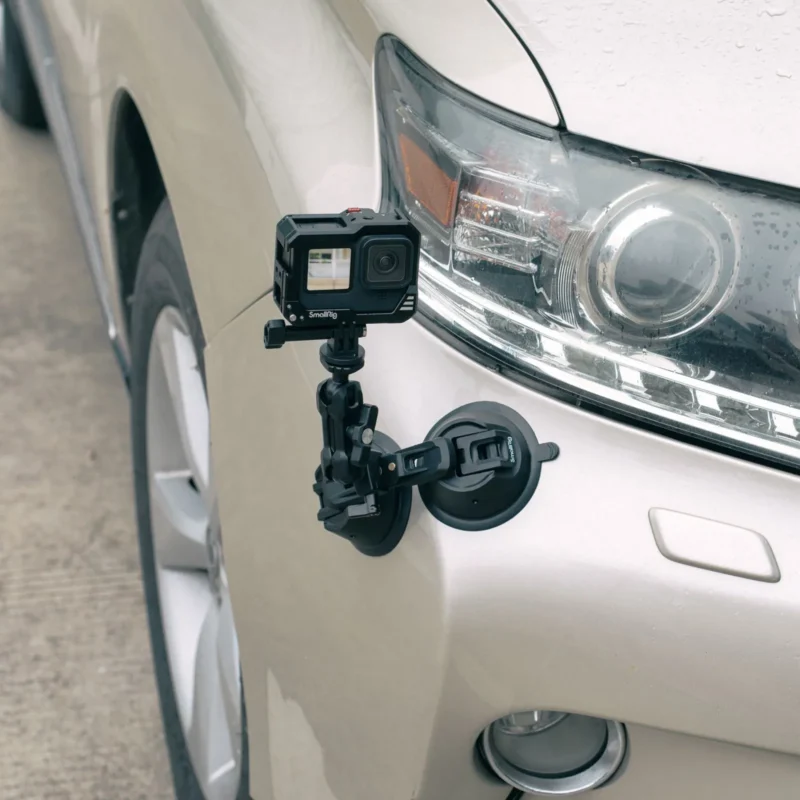
Suction cups and car mounts
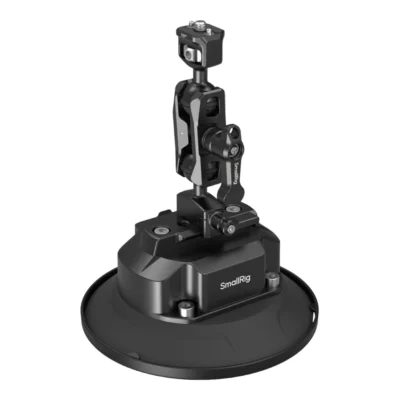
Suction cups fix a camera to a car body, a boat or a pane of glass. They hold best on clean, smooth surfaces. Wipe the surface and the cup before fitting it, and check the hold again after a while. Electric suction cups have a pump that draws out the air for you.
Always secure the camera with an extra line when it is on a moving vehicle. An action camera survives a released suction cup badly, a mirrorless camera even worse. Two or more cups on one mount spread the force and hold better than one.
For wildlife and birds from the car there are window mounts that fit on the lowered side window. The camera or binoculars then rest against the car, and the car works as a hide.
Horizontal arm and straight-down shots
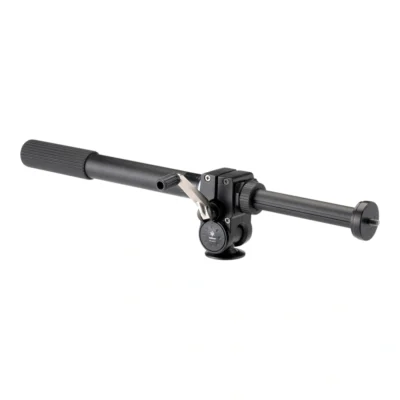
A horizontal arm mounts on the tripod's centre column or top and holds the camera out to the side, away from the legs. With the camera pointing down you get shots straight from above without the tripod legs in the frame. It is used for product shots, food, flat lays, reproduction and macro of things on the ground.
The arm loads the tripod on one side. Place a leg under the arm, hang a counterweight at the other end if the arm allows it, and keep the camera as close to the tripod as the shot permits. Check the load rating for the arm. It is always lower at the far end than near the mount.
Macro rails
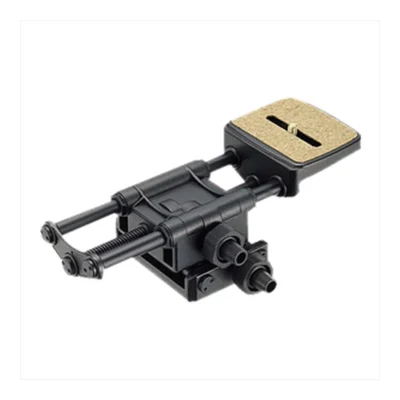
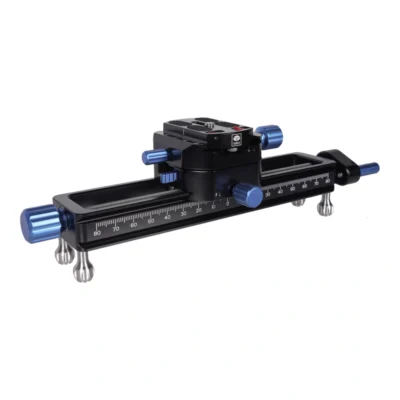
In macro the depth of field is only a few millimetres. Moving focus by turning the lens also changes the magnification. A macro rail lets you move the whole camera forward and back in small steps with a knob instead, while the tripod stays put.
Rails come for one direction or two, so the camera can also shift sideways. They are the practical tool for focus stacking, where several frames focused at different distances are merged into one. Both Sirui and Velbon make macro rails.
Binoculars and rifles on a tripod
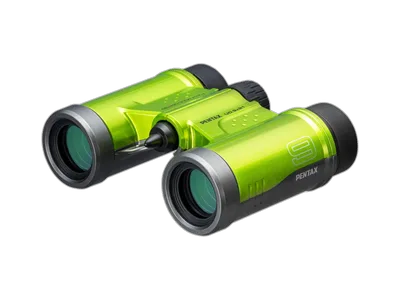
Most larger binoculars have a thread for a tripod adapter, usually at the front of the hinge between the barrels. A binocular adapter screws in there and has a standard plate or thread for the tripod. Check that your binoculars have the thread before you buy. With binoculars on a tripod you see more detail, because the image stays still.
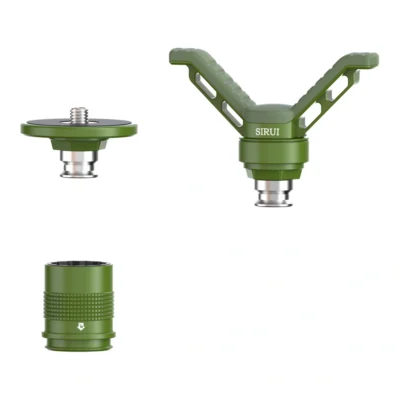
For hunting and shooting there are gun clamps and V-shaped rests that fit on the tripod in place of a head. They hold the rifle steady when shooting from the tripod.
Spare parts and rebuilding a tripod
Many tripods can be rebuilt or repaired instead of replaced. These are the most common parts:
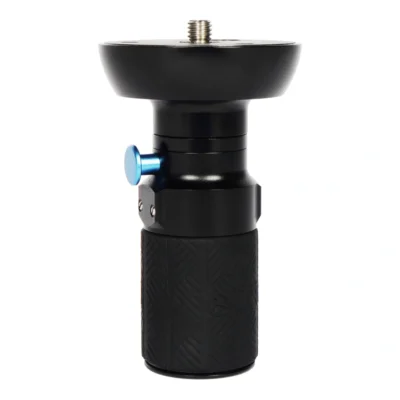
- Centre columns of different lengths. A short column lets the tripod get close to the ground, a longer one adds height.
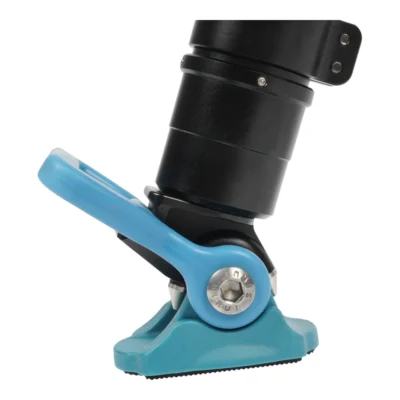
- Feet. Spiked feet for grass, snow and ice, rubber feet indoors, and horseshoe feet used on video tripods.
- Spreaders for video tripods, both ground and mid-level.
- Adapter bowls and levelling balls, so a video head fits a bowl of another size or a tripod without a bowl.
- Handles and locks for the half ball under a video head.
- Conversion kits, for example to turn a travel tripod into a lower, lighter backpacking tripod.
Spare parts are almost always made for one series. Buy by the tripod's name and series, not by how the part looks in a picture. A foot that looks identical can have a different thread.
Frequently asked questions about mounts & arms
What is a magic arm?
An articulating arm with three joints that all lock with one knob. With a clamp at one end it fixes a camera, light, microphone or monitor to tables, pipes and railings. Check the load rating, since it drops with the length of the arm.
How do I mount a camera on a table or desk?
With a clamp or desk mount on the table edge, ideally together with an articulating arm. The camera can then sit above the monitor or straight over the desk without a tripod in the way.
Will a suction cup hold a camera safely on a car?
On a clean, smooth surface a good suction cup holds a lot. Still, always secure the camera with an extra line on a moving vehicle and check the mount at regular intervals. Several cups on one mount hold better than one.
How do I shoot straight down from a tripod?
With a horizontal arm on the centre column, or a tripod with a lateral centre column. The camera is held out from the legs so they stay out of the frame. Balance it with a counterweight and put a leg under the arm.
Can I buy spare parts for my tripod?
Often, for example centre columns, feet, spreaders and bowls. The parts are almost always made for one series, so buy by the tripod's exact name and series.