
















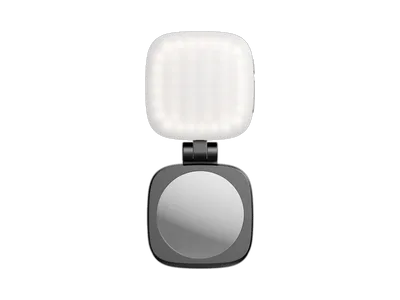
The accessories decide where the action camera can go: on the handlebars, the helmet, your chest or a tripod. A cage gives the camera mounting points for a microphone and light, and quick releases let you move it between mounts without screwing. Many parts are made for a specific camera model, so check that your camera is named in the description.
Read more about action camera accessories
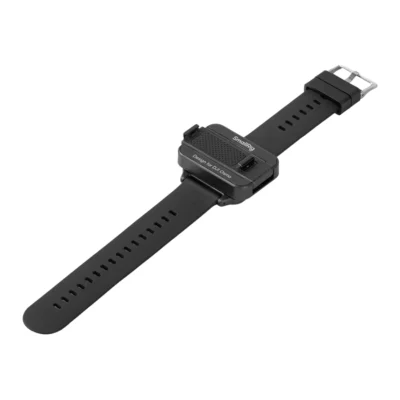
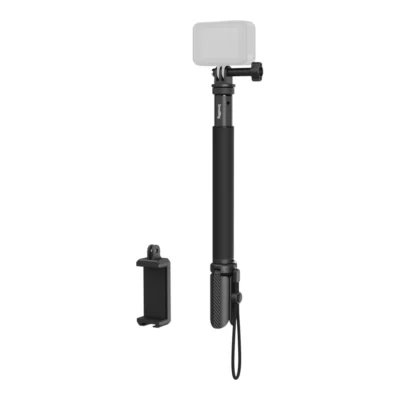
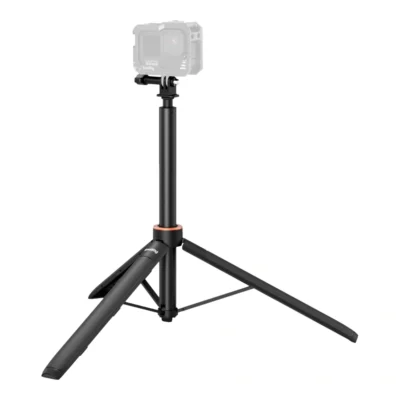
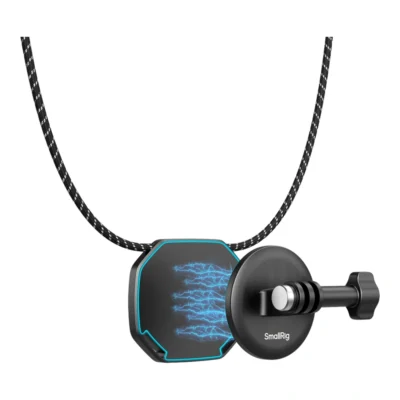
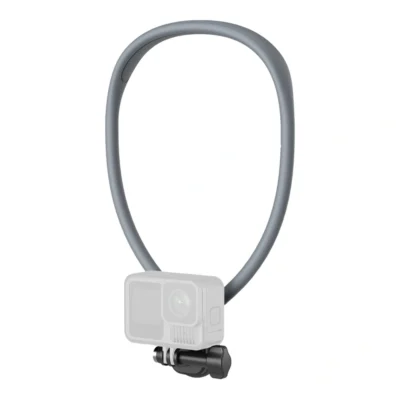

An action camera is small enough to go almost anywhere. That is both its strength and its problem, because the same camera produces completely different footage depending on where it sits. The accessories here are about exactly that: the mount, the quick release and what keeps the camera running.
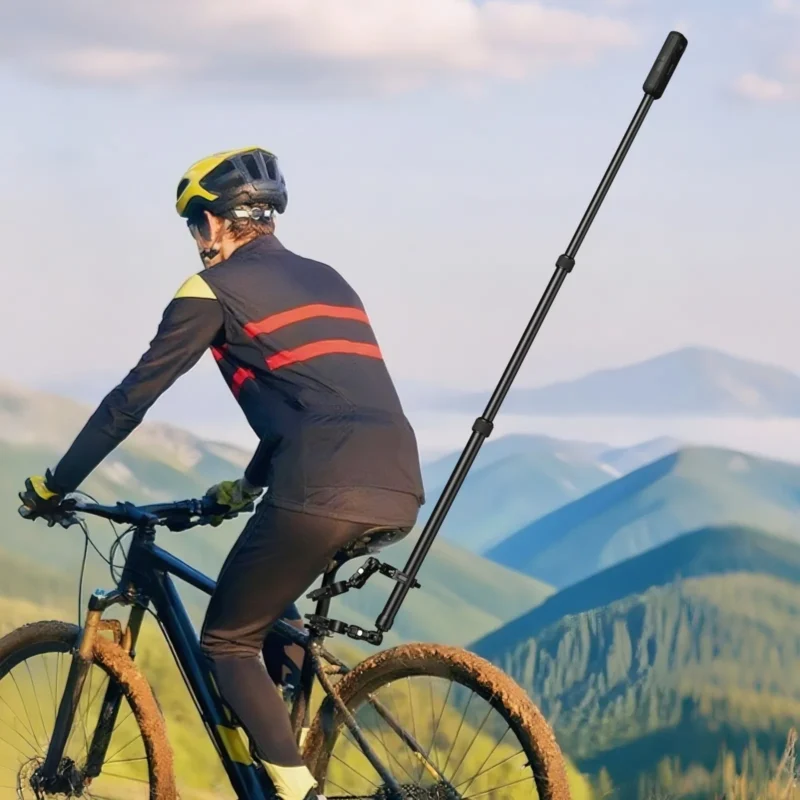
Where the camera sits decides the shot
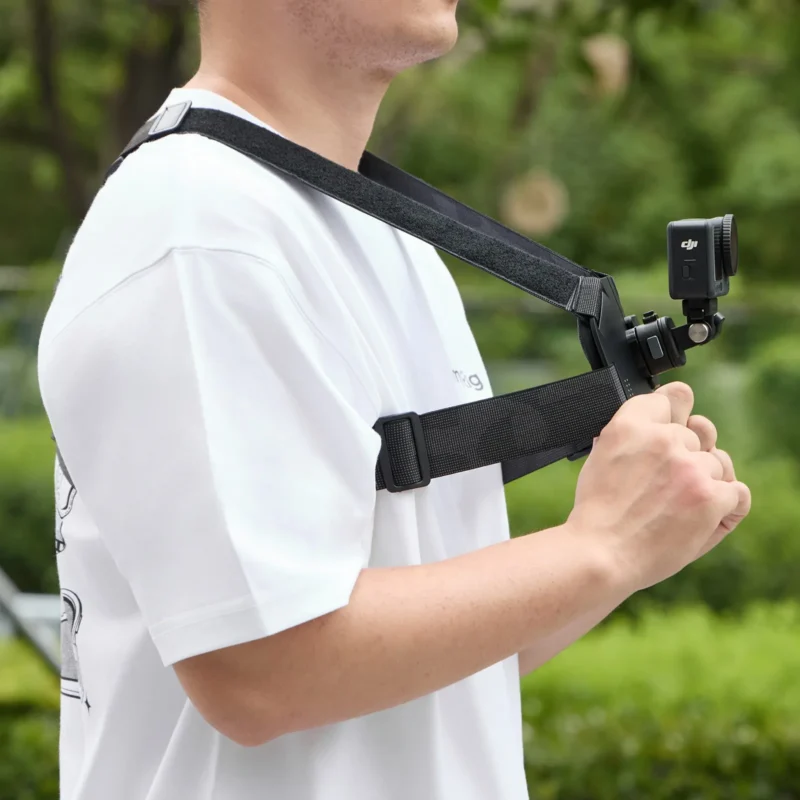
A chest mount shows your hands, the handlebars and the road ahead. It feels close and gives a clear sense of speed. A neck mount sits near eye level but follows your body rather than your head, so the picture is calmer than from a helmet mount. A camera on the handlebars or the car shows you, or what you are moving through, and on a pole or mini tripod you can film yourself from a distance.
Think about what the viewer should see before you pick a mount. Often two mounts make the film: one close that carries the feeling and one further away that shows the place.
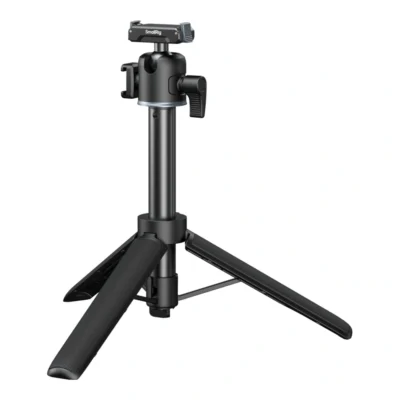
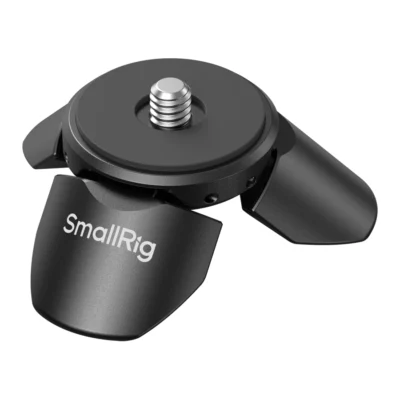
For filming yourself there are small handles that fold out into a mini tripod, and poles that hold the camera away from your body. With a 360 camera, such as one from Insta360, the pole can even be removed from the picture. A short handle is also the most comfortable way to hold a small camera while you walk and talk, since your fingers otherwise drift in front of the lens.
Chest, neck and backpack strap
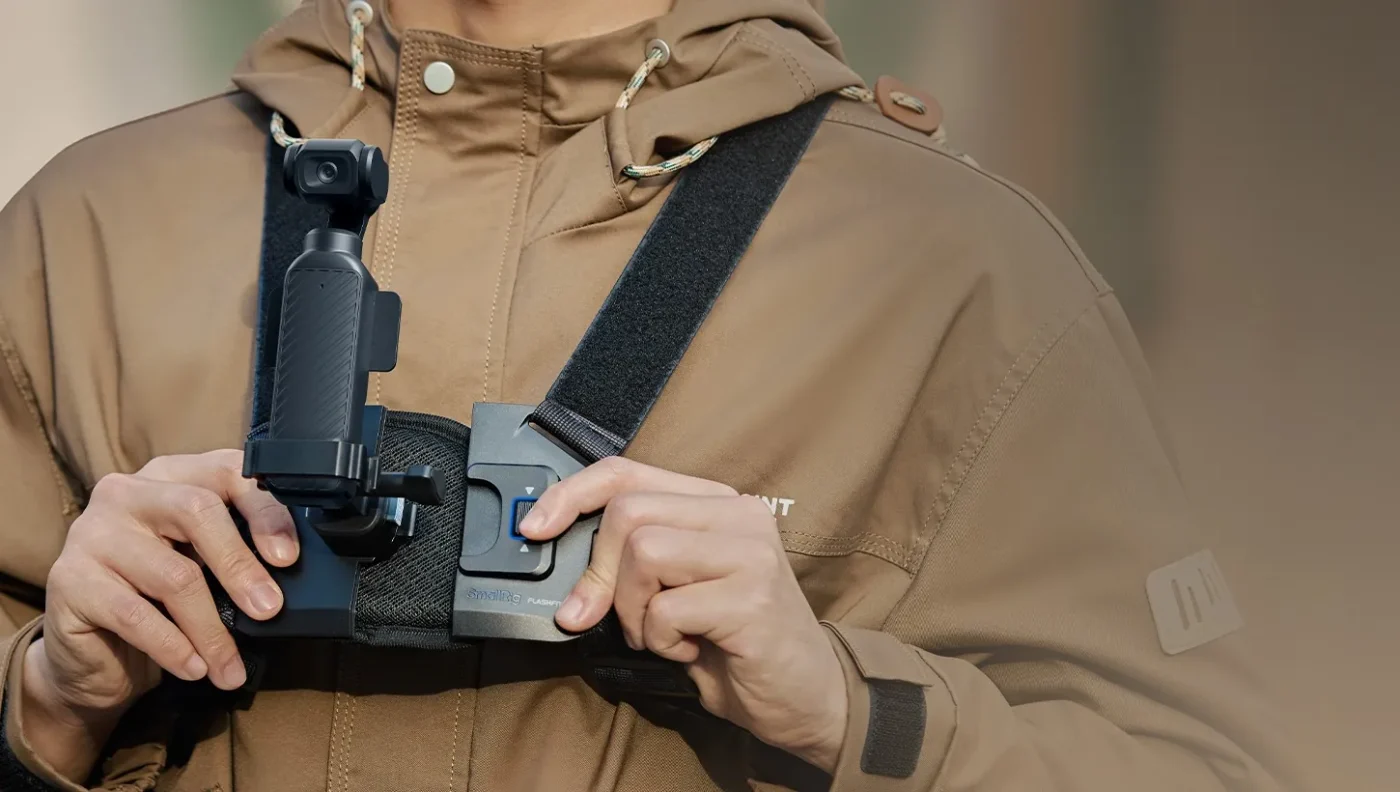
Chest mounts sit in a harness or strap around your upper body. Your body absorbs a lot of the shake, so the picture is steadier than from your head. Tilt the camera slightly up, or half the frame becomes your own chest when you lean forward on the bike.
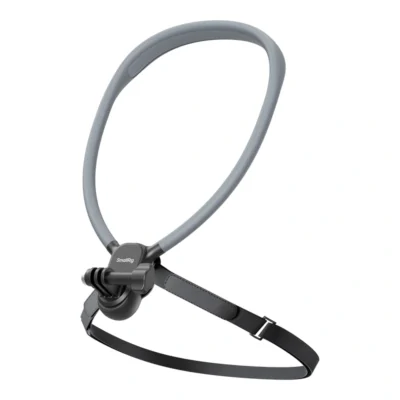
Neck mounts rest around your neck with a soft pad against the skin. They are quick to put on and take off and work for both action cameras and phones with a magnetic mount. Clip mounts for a backpack strap are the simplest option when you hike or walk around town. The camera sits high on your chest and comes along without you thinking about it.
Small pocket cameras with a built-in gimbal, such as the DJI Osmo Pocket, have their own chest mounts and clips. With the built-in stabilisation they work well even when your body moves a lot.
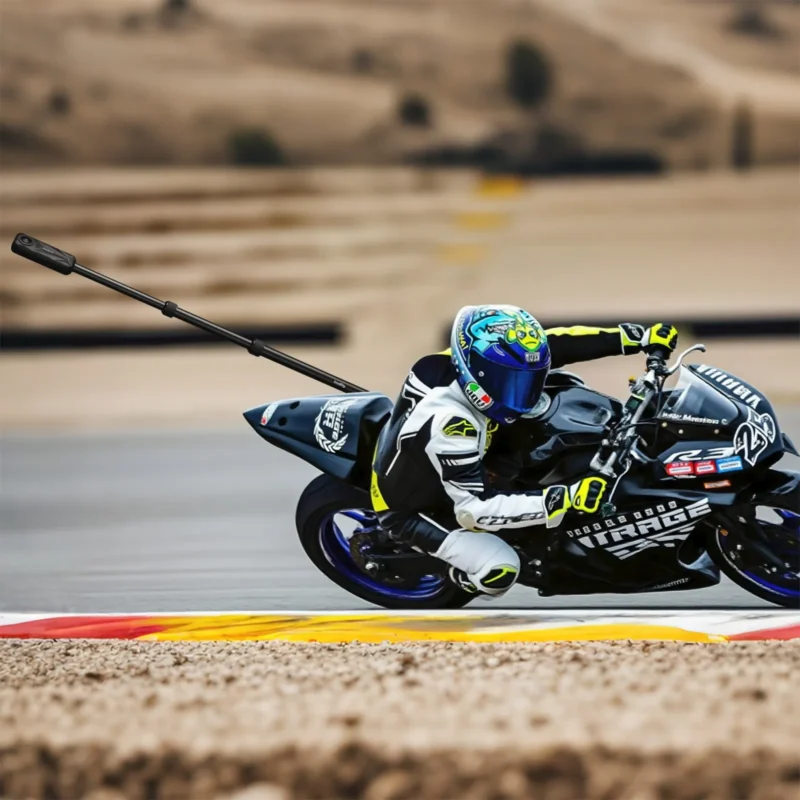
Bike, car and motor vehicles
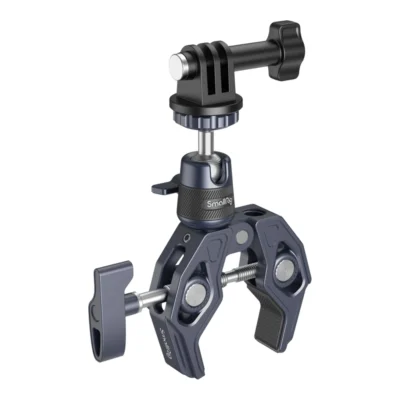
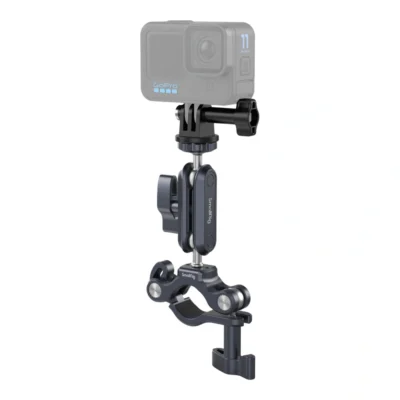
A handlebar mount picks up every vibration from the road. The camera's stabilisation helps, but on gravel and trails it still shows. Mounts with rubber damping or a short shock-absorbing arm reduce the small, fast shakes the most.
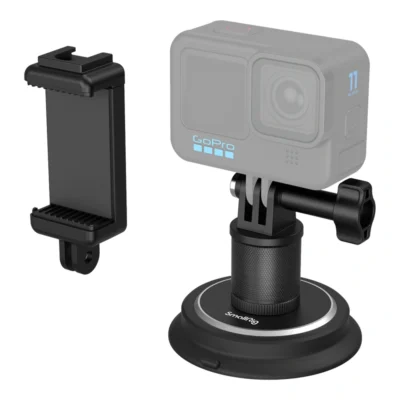
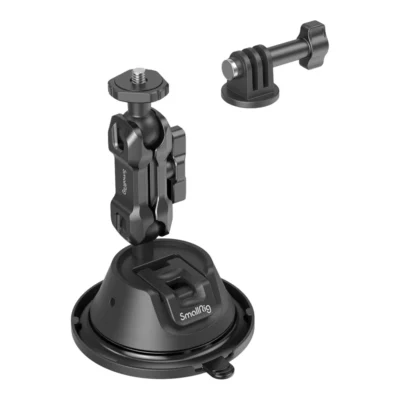
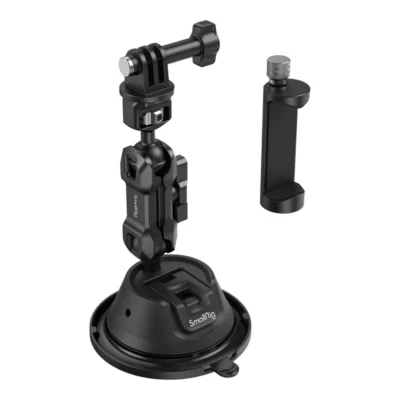
On cars, suction cups are used. They usually carry a stated static load, meaning with the car standing still. At speed the forces are higher, especially over bumps and under braking. Secure the camera with a safety tether as well, and put the suction cup on a clean, smooth surface. On public roads, never mount the camera where it blocks your view.
Quick release and mounts
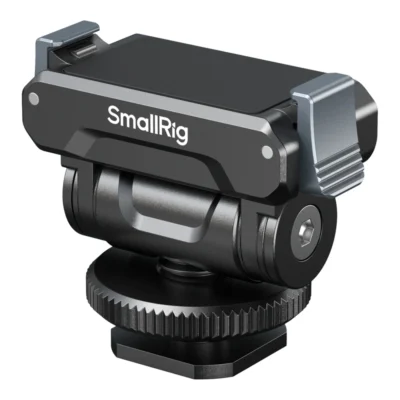
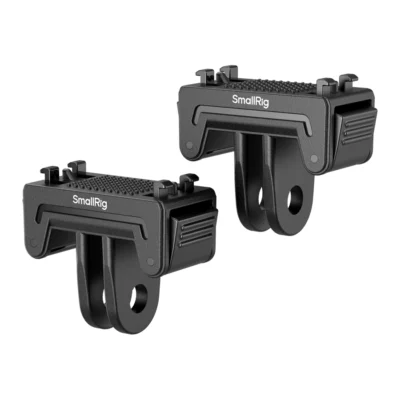
GoPro and most other action cameras use a two-prong mount, two tabs that bolt together with matching tabs on the mount. It is sturdy but slow to change. Quick release adapters, often magnetic or with a snap lock, go between the camera and the mounts so the camera moves in seconds.
Quick release parts usually belong to one system. Buy them for every mount you use in the same family, or you will be screwing as much as before. There are also adapters from the two-prong mount to a standard 1/4" thread and to Arca plates, so the camera can go on tripods, clamps and magic arms.
Cage, power and protection
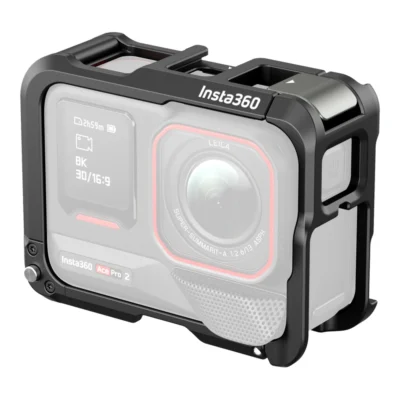
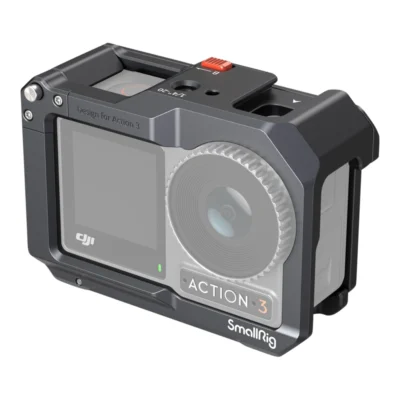
A cage for an action camera adds cold shoes and threads for a microphone and a small light. It is most useful when the camera is used for vlogs or interviews rather than speed. The cage also protects the edges if you drop the camera.
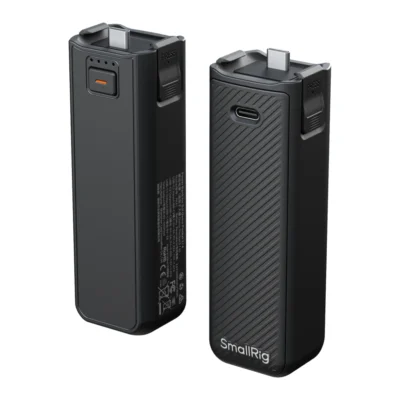
The battery is the action camera's weak spot. For pocket cameras there are power banks and battery plates that sit right on the camera and charge it while recording. Batteries drain faster in the cold, so keep the spare close to your body.
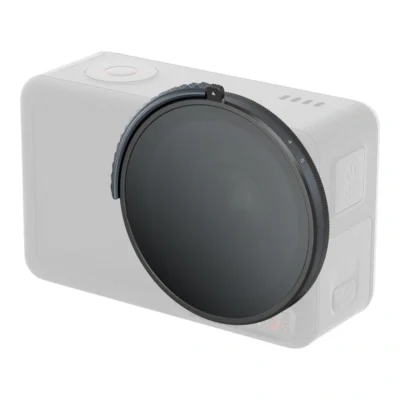
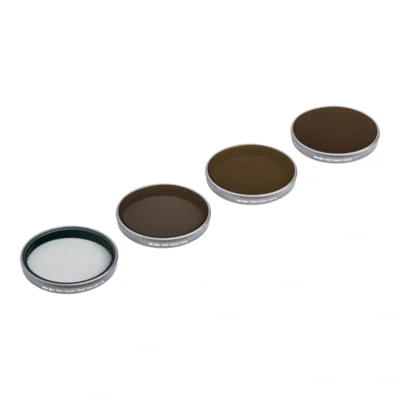
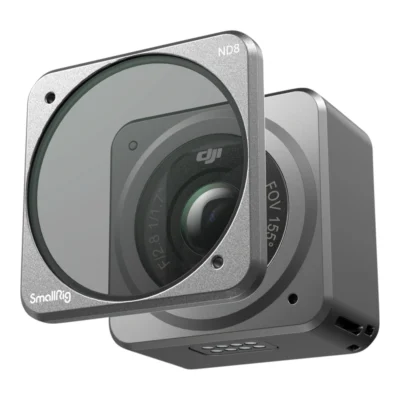
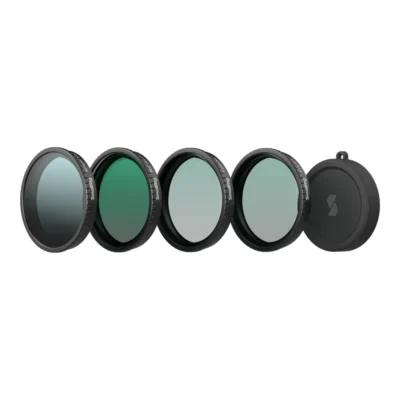
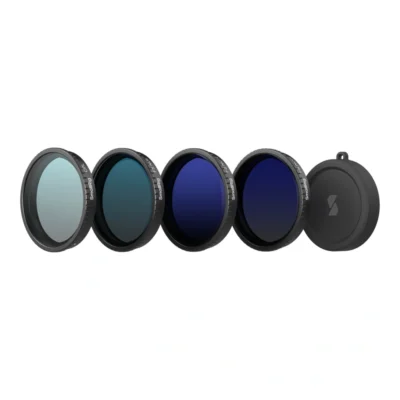
Silicone cases protect against scratches and make the camera easier to hold. Filters for action cameras, such as ND and polarising filters, are under action camera filters.
Fit and safety
Many mounts and cages are made for one camera model. Even within one series, such as GoPro HERO or DJI Osmo Action, the shape can change between generations, so check that your camera is listed in the description.
Tighten the screws on the two-prong mount properly and check them before you set off. A mount that has been in sun or cold may have settled. A camera that comes loose at speed is usually gone.
If the camera has been in the sea or in sand, rinse mounts and quick release parts in fresh water afterwards. Salt and sand get into the locks and make them stiff or stop them locking properly next time.
Frequently asked questions about action camera accessories
Where should I mount my action camera?
It depends on what you want to show. A chest mount gives a steady picture with your hands and handlebars in view, a neck mount sits near eye level and a handlebar mount shows you or the road. Try two mounts and cut them together.
Chest mount or helmet mount for cycling?
A chest mount usually gives a calmer picture, because your body absorbs the shake and the camera does not follow every head movement. A helmet mount shows more precisely where you look. On a mountain bike many riders choose a chest mount to get the handlebars in shot.
Will a suction cup mount hold on a car?
Yes, on a clean and smooth surface and below the stated load. The load usually refers to static use, and at speed the forces are higher. Always secure the camera with a tether as well.
What is a quick release mount for an action camera?
It is an adapter between the camera and the mount that lets you take the camera off and on without screwing. Many are magnetic or snap in place. Quick release mounts usually only fit other parts of the same system.
How do I get longer battery life from an action camera?
Use a spare battery, or a power bank or battery plate that stays on the camera while it records. Keep batteries warm in the cold, for example in an inside pocket. A lower frame rate and the screen switched off also save power.