
















A cage is a frame that fits around the camera body and gives you threads and shoes to attach accessories to, without covering ports, buttons or the battery door. It is shaped for a specific camera model, so start by finding your camera in the product name. Full cages give the most mounting points, while half cages and base plates are lighter. With an Arca-compatible base the camera can go straight into a tripod head.
Find the right cage for your camera
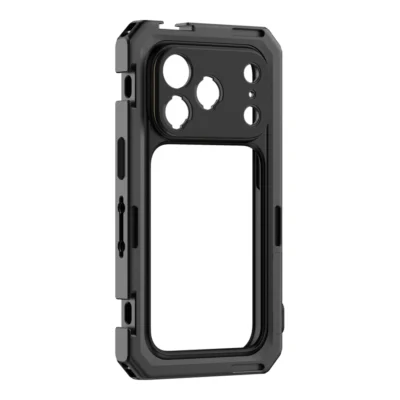
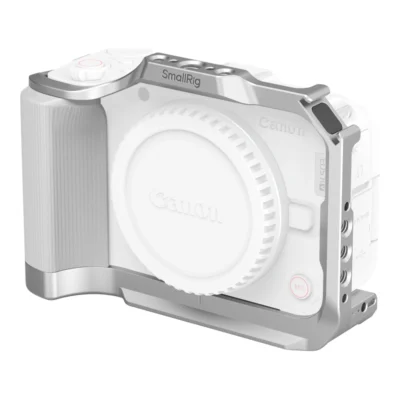
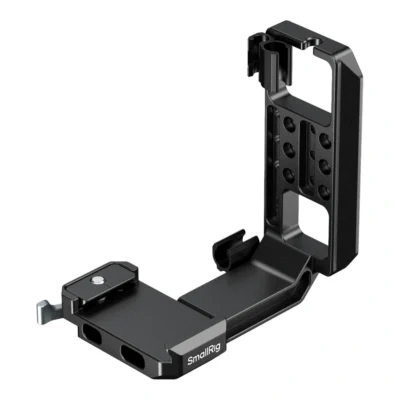
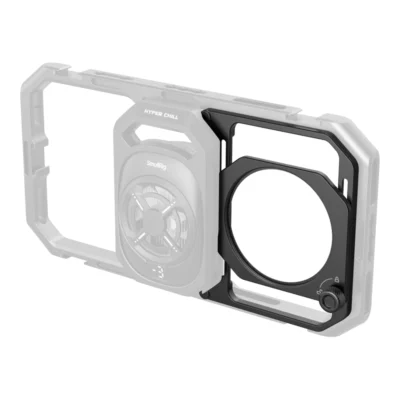

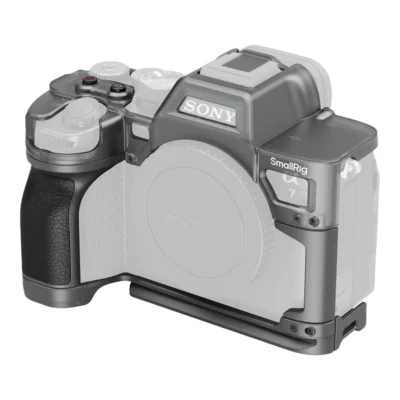
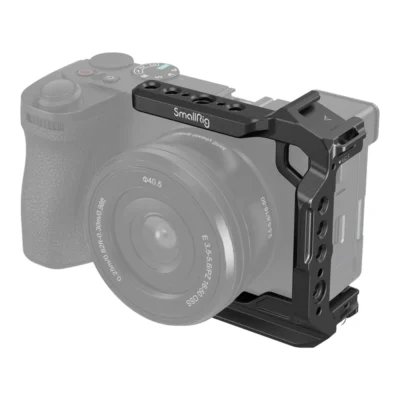
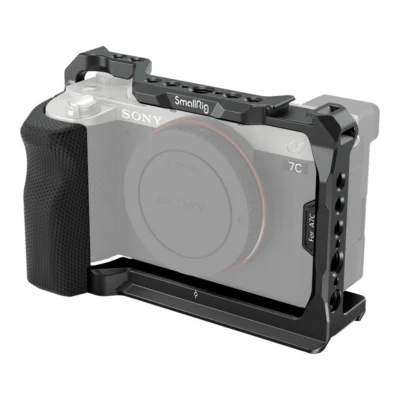
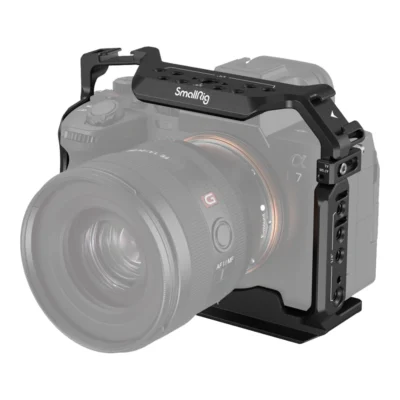
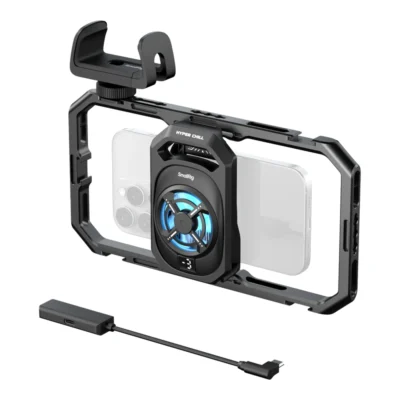
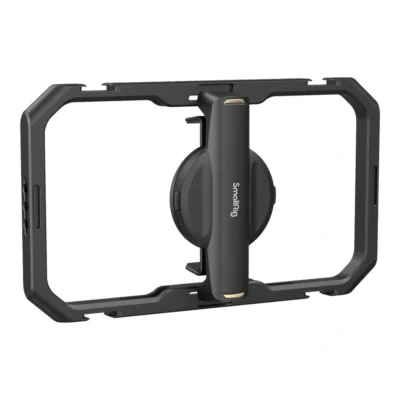
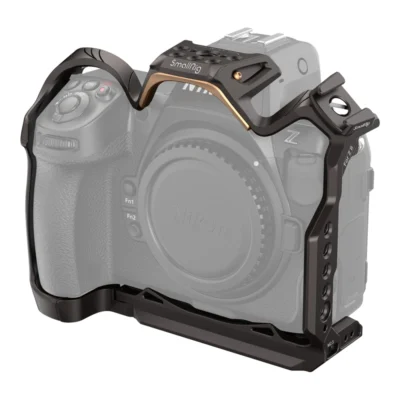
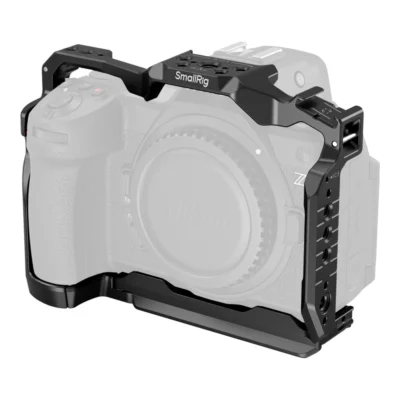
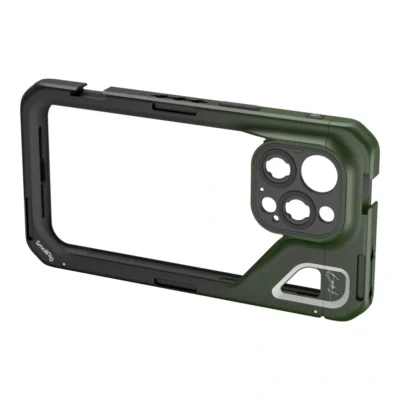
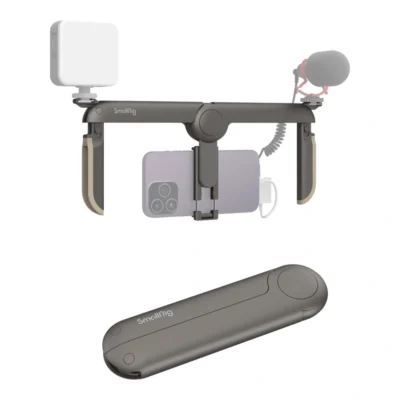
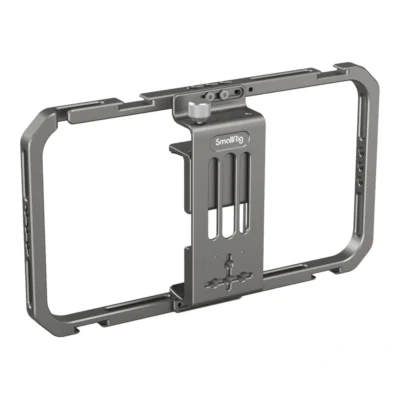
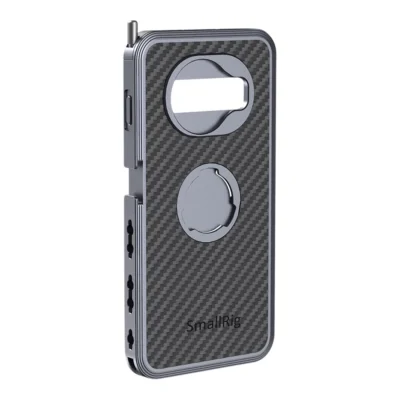
A cage is the rig part most people buy first, and the one most often bought wrong. That is rarely about quality. It is because a cage has to fit one camera to the millimetre, and there are more versions than you would expect.
What a cage does for the camera
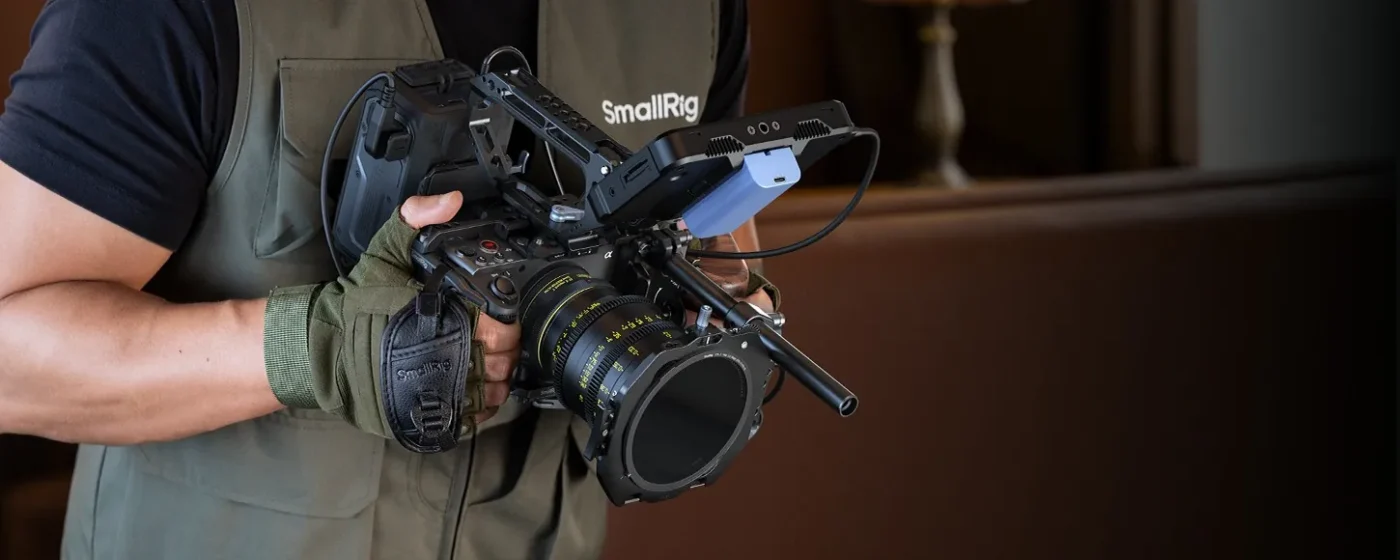
Without a cage, the camera has a tripod socket underneath and a hot shoe on top. That is enough for a microphone or a small light, but not both at once with a monitor as well. A cage moves the mounting points out to the sides and the top, so each accessory can go where it weighs least and is easiest to reach.
It protects too. If the rig bumps into a door frame, the frame takes the hit instead of the camera body.
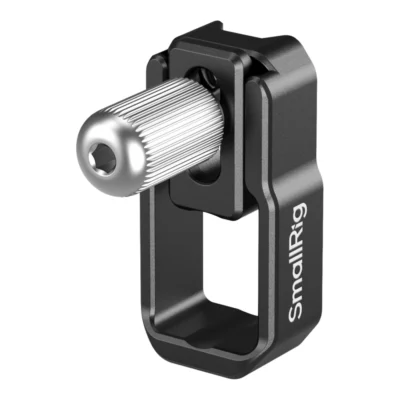
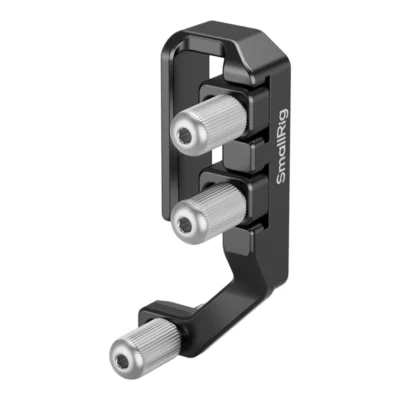
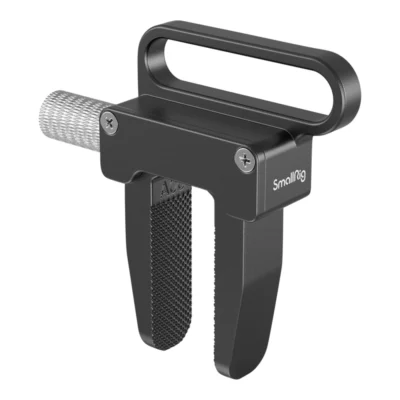
Ports deserve their own mention. An HDMI cable plugged into the camera acts as a lever, and one tug can damage the socket. Many cages have room for a cable clamp that locks the cable to the frame, and some kits include one. Use it.
Full cage, half cage or base plate
The choice comes down to how much you want to build onto the camera and how much weight you will accept.
| Type | Covers | Mounting points | Weight | Choose it when |
|---|---|---|---|---|
| Full cage | The whole camera body | Top, both sides and underneath | Most | You shoot with handles, monitor and audio at the same time |
| Half cage | The bottom and one side | One side and underneath | Less | You want a handle and a couple of accessories but a light camera |
| Base plate | Only the underside | Underneath, sometimes rod clamps | Least | The camera lives on a tripod, gimbal or rods |
A half cage is often the best pick for people who shoot both stills and video. The camera still sits well in your hand for photos, and the handle is there when you need it.

Cage or cage kit
A cage kit is a cage with one or more accessories in the same box, usually a top handle and sometimes a cable clamp or a side handle. The parts are made for each other, so there is no guessing which mount the handle needs.
Buying the cage on its own lets you pick a handle later. That makes sense if you already own handles from an earlier rig. Just check that they use the same mount as the new cage.
SmallRig makes several series of cages for the same camera. They differ in how much of the body they cover, what they weigh and which quick mounts they have. Read what is included and compare the mounting points. The name tells you little.

Quick release and the Arca base
Many newer cages have SmallRig's HawkLock quick release built in. Handles and accessories click into the frame and come off with one movement, no screwing. It saves the most time if you switch between handheld and tripod several times a day.
The Arca shaped underside is more useful than it looks. It also fits gimbals that take that type of plate. With no extra plate in between, the camera sits lower, and fewer parts means fewer things that can develop play.
On a gimbal, the weight of the cage matters. It counts towards the payload, and a full cage with a handle can mean rebalancing the gimbal. A light half cage or just the base plate is often enough there.
Cages for more than mirrorless cameras
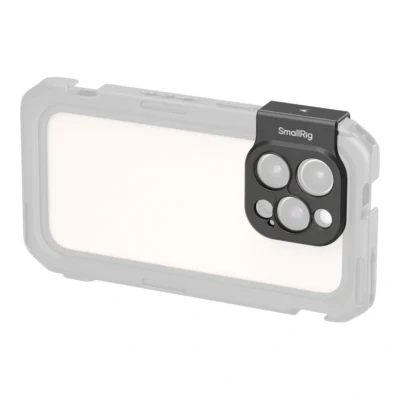
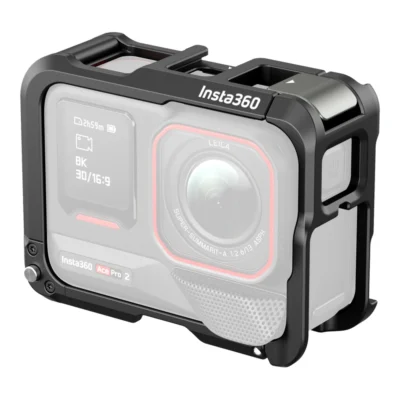
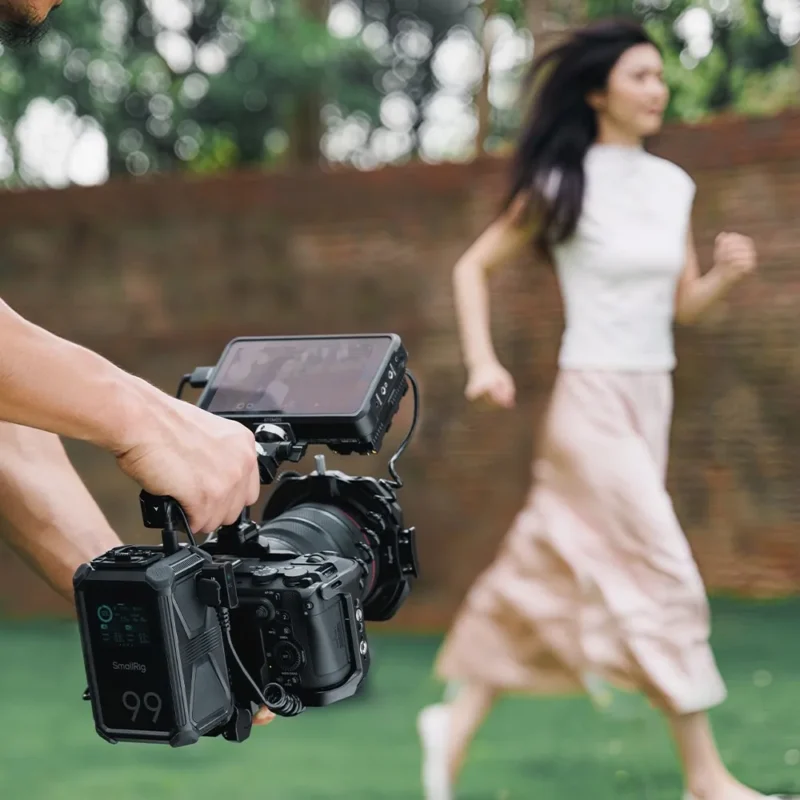
There are cages for cinema cameras, small vlogging cameras, 360 cameras and pocket cameras with a built-in gimbal, among them cages for DJI Osmo, GoPro and Insta360. The idea is the same, but on the smallest cameras it is mostly about getting a cold shoe for the microphone and a secure hold.
Cameras that run hot during long recordings can get a cage with a cooling fan. The fan blows air over the body and can stretch how long the camera records before it shuts down.
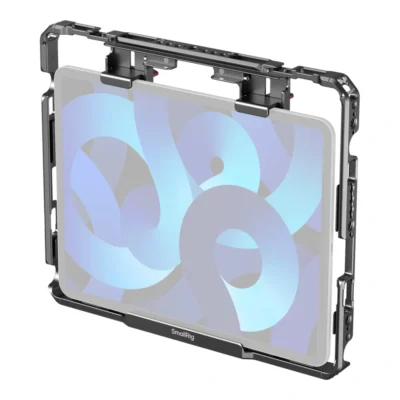
Monitors have their own cages as well. They protect the screen and add mounts for a sun hood and cable clamps. Cages for phones are under phone rigs.
Finding the right cage
Start with the exact camera model. Most cages here are made for Sony Alpha and Canon EOS R bodies, and there are many for Nikon Z, Fujifilm and Panasonic Lumix too. Two cameras with nearly the same name can have buttons and ports in different places, and a cage that fits one may block the other.
Then think about what is on the camera today:
- A battery grip. Most cages are made for the camera without one.
- Large lenses or adapters that need a lens support underneath.
- The flip screen, which should still swing out with the cage on.
- An L bracket you already use, which usually has to come off first.
Tighten the screw under the camera firmly, but without force. It holds the whole cage in place, and if it loosens the camera starts to shift in the frame. Check it again after the first few days, when the parts have settled.
Frequently asked questions about cages
What is a camera cage?
A camera cage is a metal frame that screws on around the camera body. It adds mounting points for handles, a monitor, a microphone and lights, and protects the camera from knocks. Each cage is made for a specific camera model.
What is the difference between a full and a half cage?
A full cage goes all the way around the camera, with mounts on the top, sides and underneath. A half cage only covers the bottom and one side and weighs less. A half cage suits you if you want a handle but still shoot stills comfortably.
Does one cage fit several camera models?
Only if the maker says so. Some cameras share the same body and can use the same cage, but buttons and ports often move between versions. Check that your exact model is in the product name or description.
Can I keep the cage on when the camera is on a tripod or gimbal?
Yes, most cages have an Arca shaped underside that goes straight into a tripod head or a gimbal taking that plate. On a gimbal the cage counts towards the payload, so a light cage is the better choice there.
What comes in a cage kit?
It varies, but usually a cage and a top handle. Some kits also include a side handle or a cable clamp. Check the contents of the kit you are looking at.