
















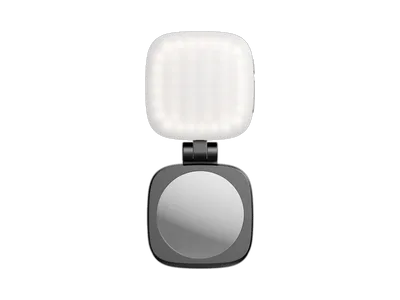
The strap decides how the camera hangs when you are not shooting. A wrist strap is enough for a light camera, a neck or shoulder strap carries heavier gear, and a clip locks the camera onto a backpack strap or belt so it stays put while you walk. Check how the strap attaches to the camera and whether it can be released quickly.
Read more about camera straps & clips
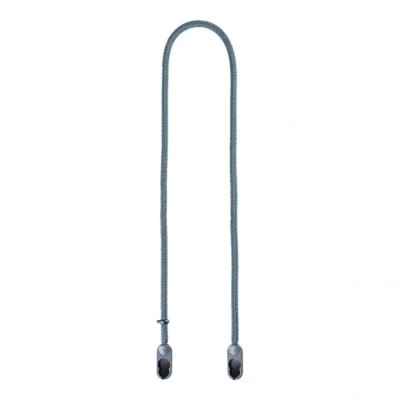
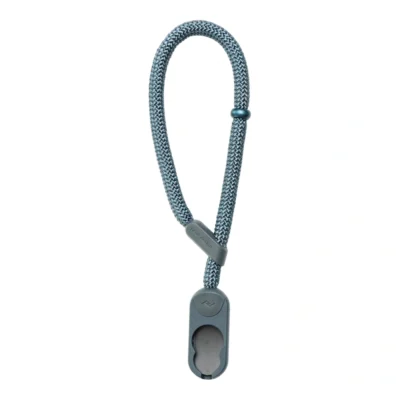






Strap types and where the camera hangs
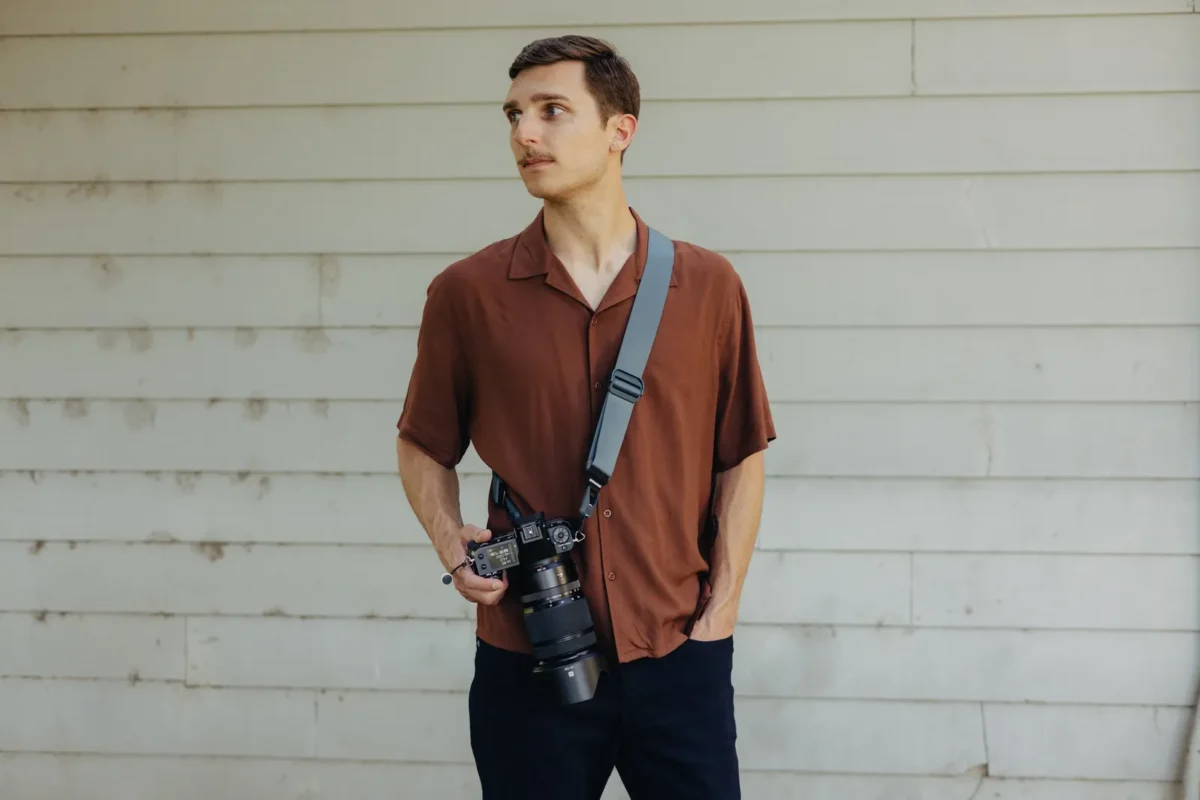
Pick a camera strap by where you want the camera to sit when you are not shooting. Length and attachment matter more than the material.
| Type | Camera hangs | Carries well | Suits |
|---|---|---|---|
| Neck strap | On your chest | Light cameras | Short walks and cameras you raise often |
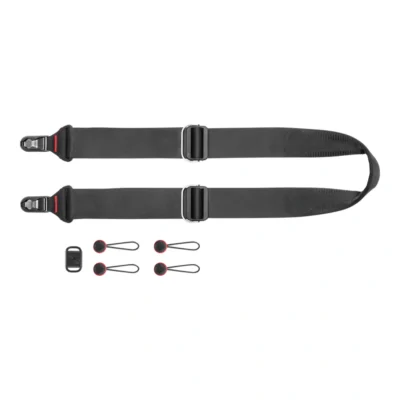
| Shoulder strap | On one shoulder or across the body at the hip | A mirrorless or DSLR body with a lens | Full days, travel and events |
| Wrist strap | Around your wrist | Compacts and small mirrorless cameras | City and street photography |
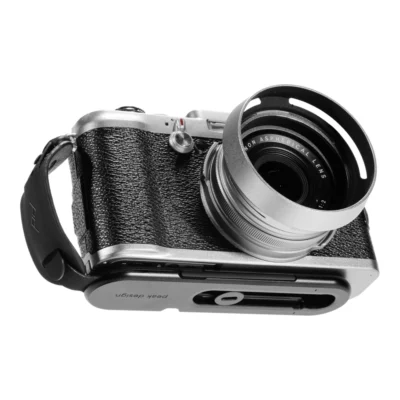
| Hand strap | Fixed along the grip, your hand slides under it | Cameras with a grip | Holding the camera in hand for hours |
| Finger strap | Around one finger | Very small cameras | Pocket cameras |
| Clip | Locked to a backpack strap or belt | A body with a lens | Hiking and climbing |
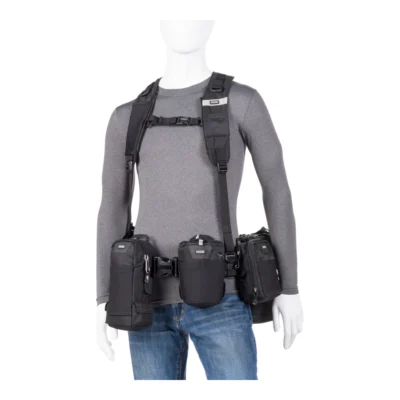
| Harness and belt | Weight spread over shoulders and waist | Two bodies or heavy lenses | Weddings, sport and long jobs |
Plenty of people own two. A shoulder strap for days on foot, and a wrist strap for when the camera is in your hand anyway.
Shoulder strap or neck strap for a system camera
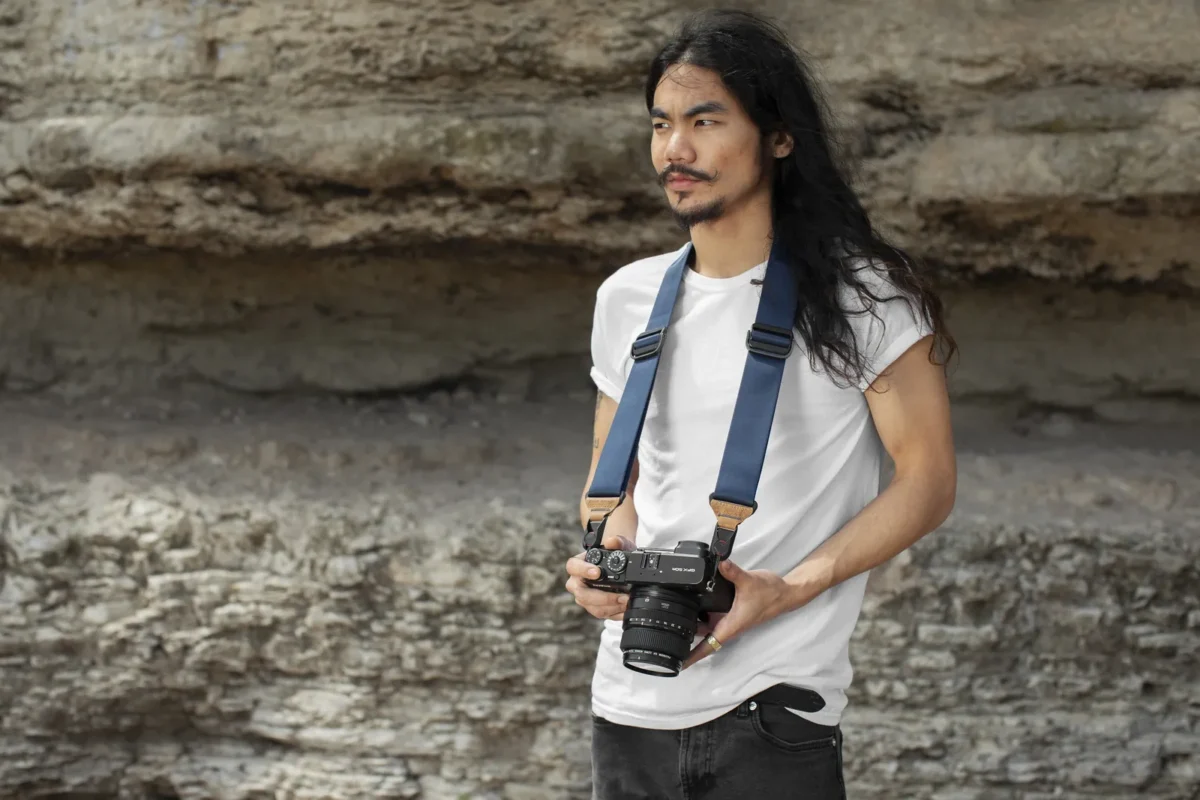
The strap in the camera box is usually a narrow neck strap with the maker's name printed on it. It works. After a couple of hours with a zoom lens, though, your neck will notice, which is why many people switch to a wider shoulder strap.
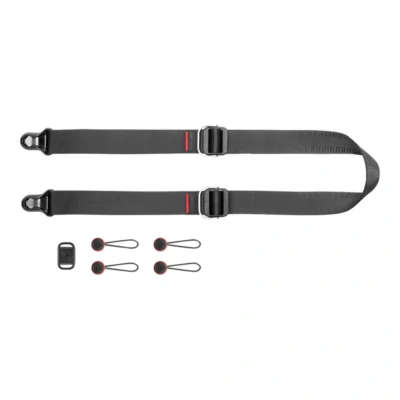
Worn long and across the body, a strap lets the camera rest at your hip. You can cycle, take the stairs or carry a child without the camera bumping your stomach, then slide it up along the strap when you want a picture. Quick adjusters earn their keep here: shorten the strap so the camera sits snug while walking, lengthen it in one pull when it goes to your eye.
Width decides how the load spreads. A thin strap under a heavy camera digs in. A wider one with a bit of grip on your clothes also stays on the shoulder better.
Material is mostly taste and use:
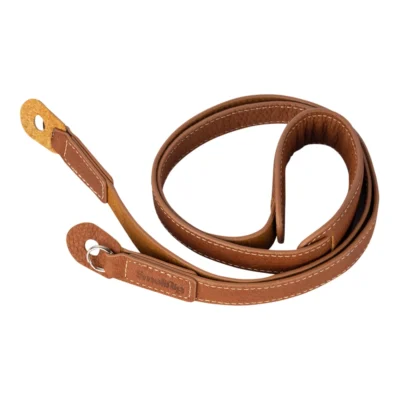
- Leather straps soften over the years and suit a classic-looking camera. They cope with rain less well than synthetics.
- Rope and braided straps are thin, strong and discreet, but can feel harder against the skin.
- Seatbelt-style woven nylon is hard-wearing, adjusts quickly and dries fast.
Quick-release connectors and swapping straps
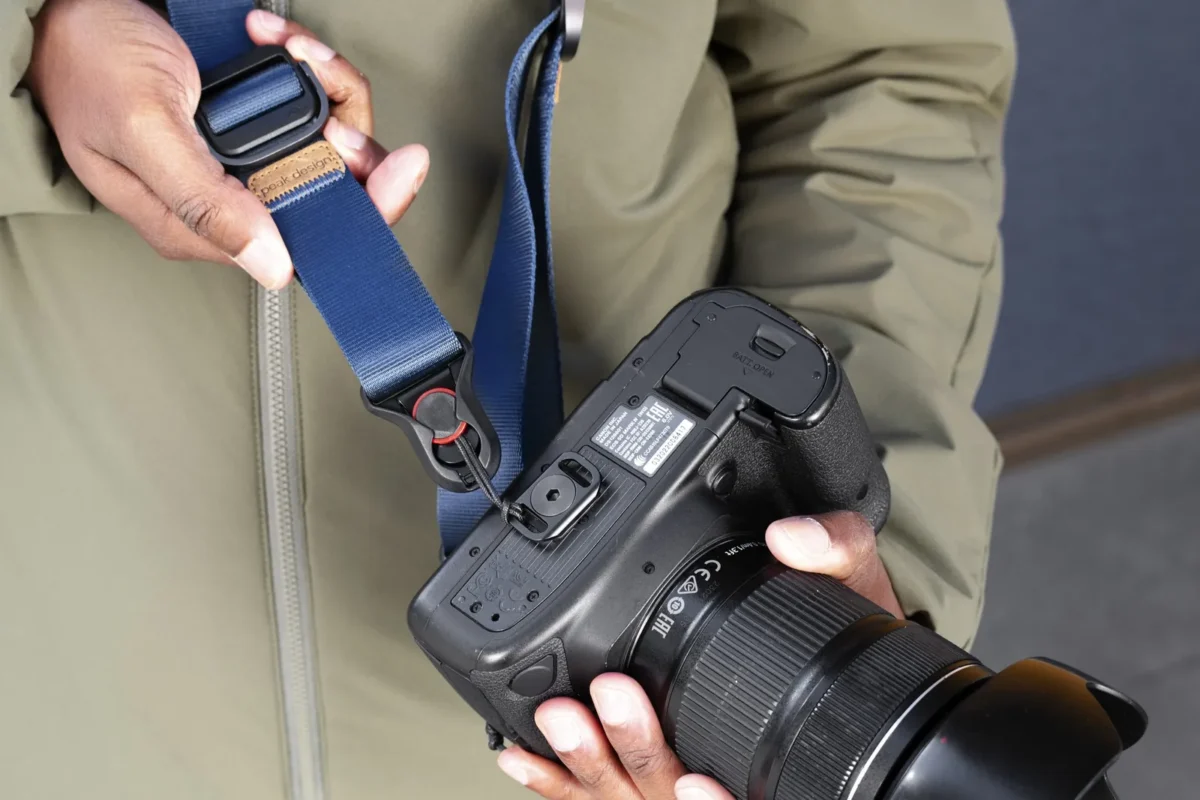
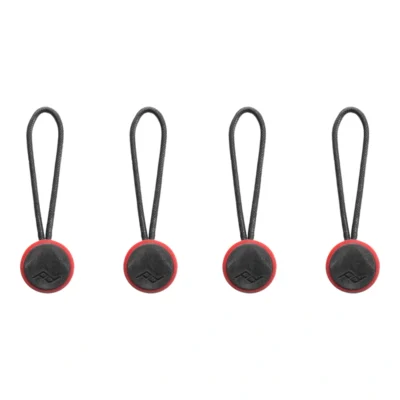
A quick-release strap attaches to small loops or connectors that stay in the camera's strap lugs. Only the strap itself clicks on and off. One camera can wear a shoulder strap in the morning and a wrist strap at night, or no strap at all on a tripod, where a loose strap catches the wind.
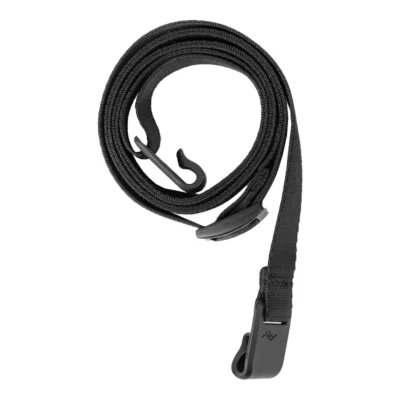
Peak Design builds its straps around small anchors left on the camera. The maker rates each anchor for up to 90 kg, and spare anchors are sold for extra cameras or a pair of binoculars. SmallRig uses its own quick-release connectors.
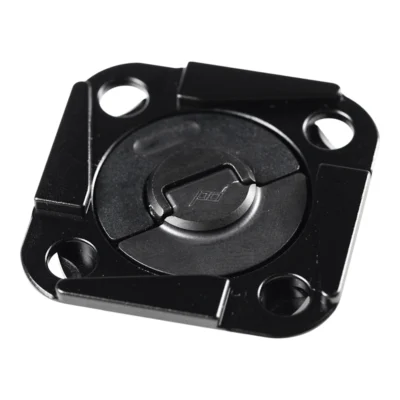
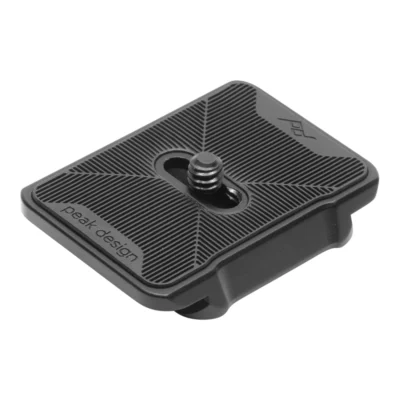
Check how your camera takes a strap. Most have a lug on each side. Some compacts have only one, which means a wrist or finger strap. Without suitable lugs the strap can go on a quick-release plate under the camera instead. Some plates have their own strap points, and an ARCA-compatible plate also fits most tripod heads.
Straps are rarely tied to a camera brand. A strap bought for a Sony works just as well on a Canon or a Fujifilm as long as the connector fits the lugs.
Clips for backpack straps and belts
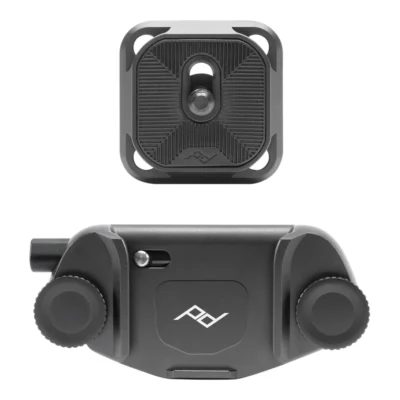
A camera clip bolts onto a backpack shoulder strap or a belt. A plate under the camera slides into it and locks. The camera then sits still against your chest or hip, the backpack takes the weight, and both hands are free. For hiking it is our favourite. The camera is out of the bag and still not swinging around on a strap.
Peak Design's Capture is the best known. Its plate is ARCA-compatible, so the camera goes straight from the clip to a tripod. SmallRig also makes clips with a quick-release plate.
Two things to keep in mind. The backpack strap has to be stiff enough to hold the camera without folding, and a long telephoto lens gets awkward on a clip because it sticks out and knocks against you. For lens changes on the trail there are holders that keep a spare lens on the clip or the strap.
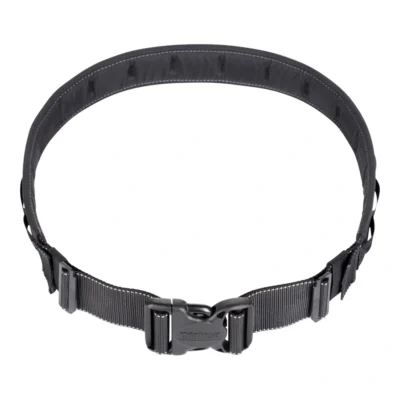
With two bodies or very heavy glass a clip is not enough, and a harness or belt takes over. Think Tank makes harnesses that share the weight between shoulders and waist, and belts you hang lens pouches and pockets from.
Small cameras, action cameras and extras
A wrist strap is often all a compact needs. It takes no room in a pocket and catches the camera if it slips. A finger strap is smaller still and suits pocket cameras such as Ricoh's GR series. A hand strap along the grip does a different job: it holds your hand to the camera so you can carry it for a long time without clenching.
You will also find half cases with a matching strap here, each made for one camera model. Check the model name. A half case cut for another camera will not fit.
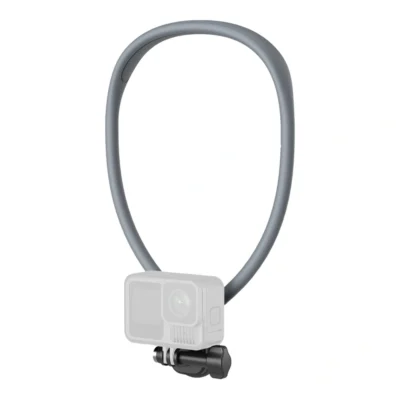
For action cameras there are neck mounts that hold the camera at chest height for point-of-view footage, and there are shoulder straps for gimbals and remote controllers so they stay with you when you need both hands.
Check the strap before it lets go
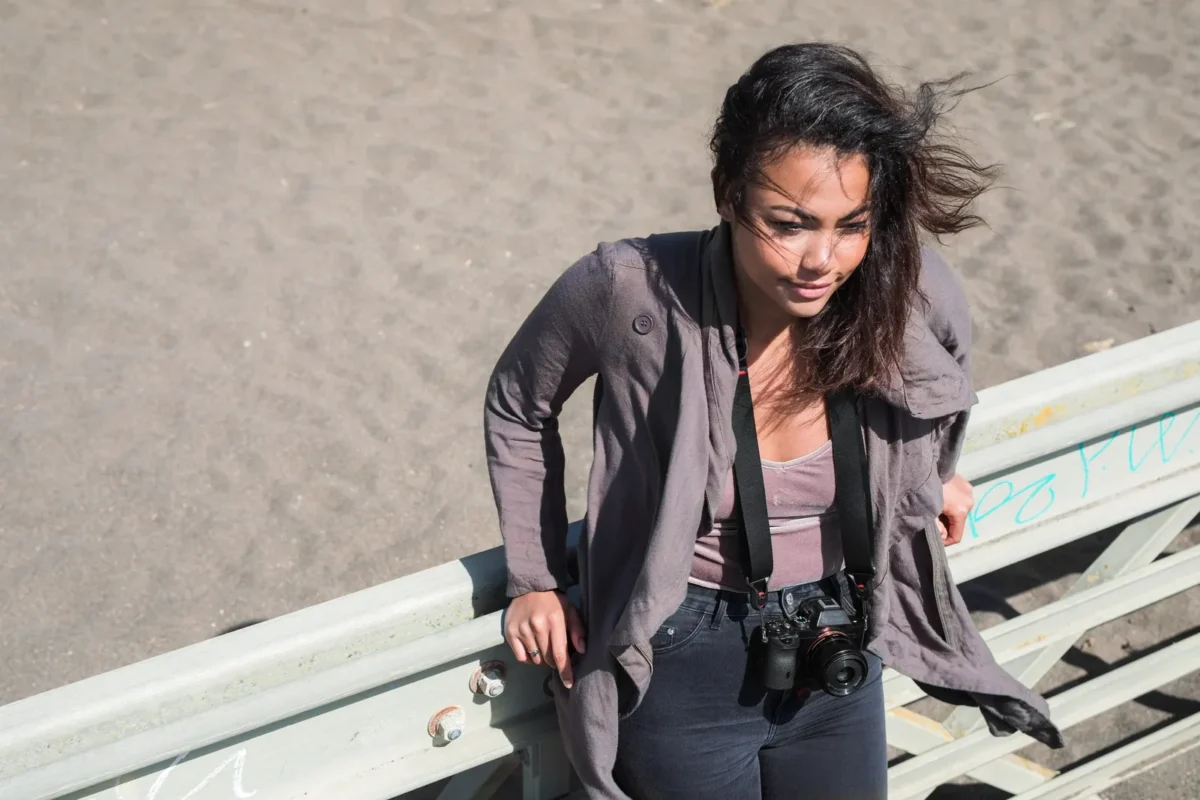
Straps seldom break in the middle. Wear happens at the attachment, where metal or cord rubs against the strap lug. Look at the loops and cords a few times a year and replace them once they fray.
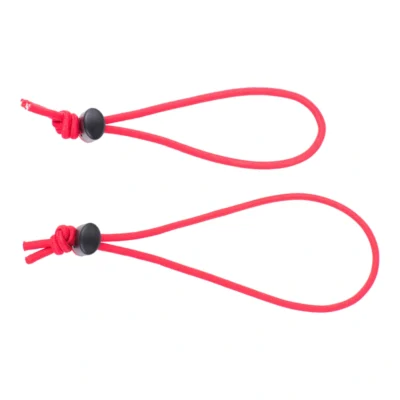
The metal split rings some straps use will scratch the camera around the lug. A small leather or plastic guard between ring and body helps.
Don't carry a heavy telephoto on a strap fixed to the camera body, as the whole weight then hangs on the lens mount. Attach the strap to the lens's tripod foot so the lens carries the camera, not the other way round.
Leather straps should dry at room temperature after rain, not on a radiator. Nylon and rope can be rinsed if they have gone salty after a day at the coast.
Frequently asked questions about camera straps & clips
Which camera strap is best for a mirrorless camera?
For a body with a lens, a wide shoulder strap worn across the body is the most comfortable over a full day. The camera rests at your hip and the weight sits on your shoulder rather than your neck. Pick one that adjusts quickly.
Does a camera strap fit every camera?
Almost. Most straps attach to the two strap lugs and are not tied to a brand. Some compacts have only one lug, and then a wrist or finger strap is the better choice.
Is a leather camera strap better than nylon?
Leather softens with age and looks classic, but handles wet weather less well. Nylon is tough, dries fast and usually adjusts quicker. Leather suits city and everyday use, nylon suits outdoor trips and travel.
How do you attach a camera to a backpack?
With a camera clip bolted to the backpack's shoulder strap. A plate under the camera locks into the clip, so the camera stays still against your chest and comes off with one hand. The strap needs to be stiff enough to carry it.
What is a camera harness?
A harness is a strap system that spreads the weight between shoulders and waist. Photographers use one to carry two bodies at once, or heavy lenses through a whole day, for example at weddings and sports events.
How does a quick-release camera strap work?
Small connectors stay in the camera's strap lugs and the strap clicks on and off. You can swap between a shoulder strap and a wrist strap in seconds, or remove the strap entirely when the camera is on a tripod.