


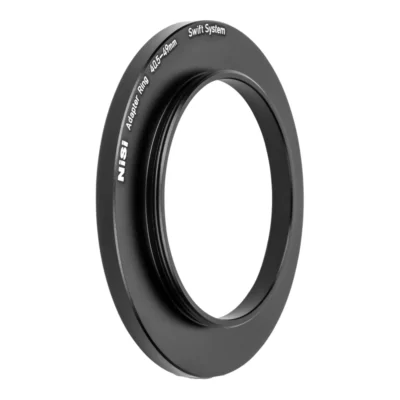














A lens adapter sits between lens and camera and makes it possible to use lenses from another system. It is chosen by both the lens mount and the camera mount. Simple adapters pass the image through unchanged, while extenders lengthen the focal length and focal reducers make the image wider and brighter. Check whether autofocus and aperture control work through the adapter.
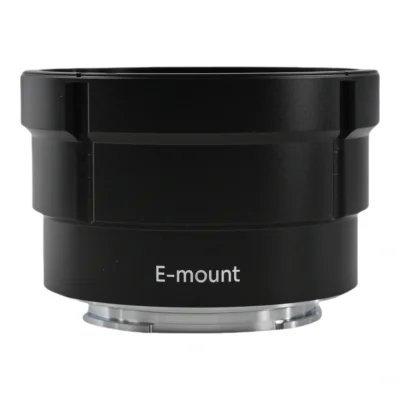
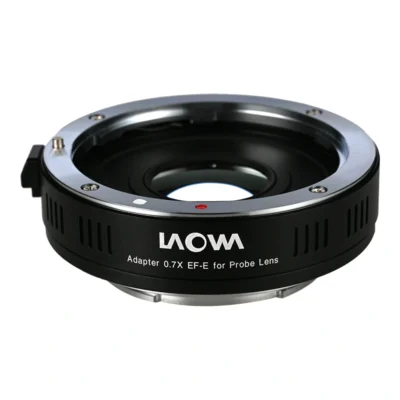
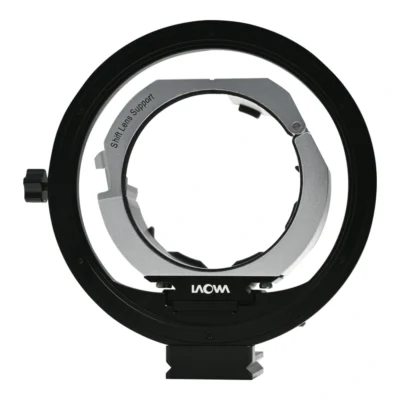
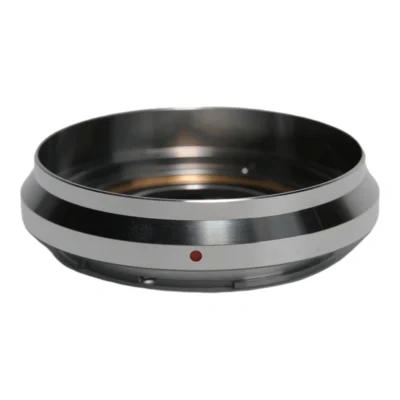
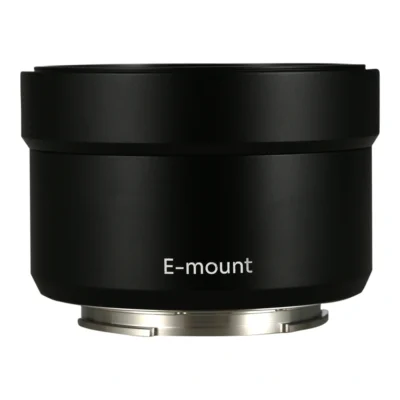
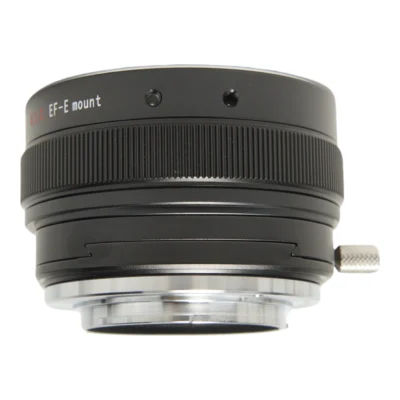
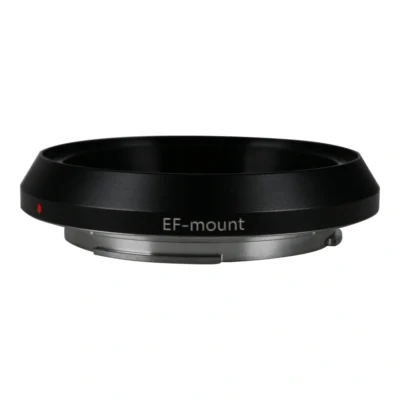
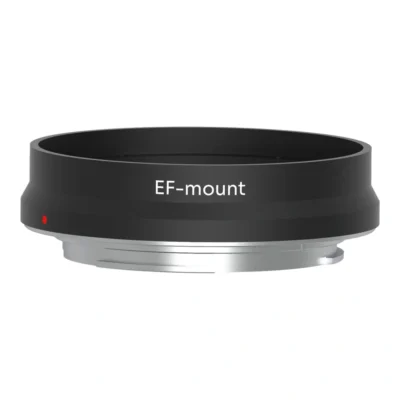
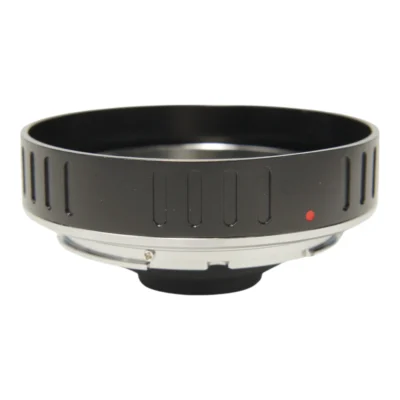
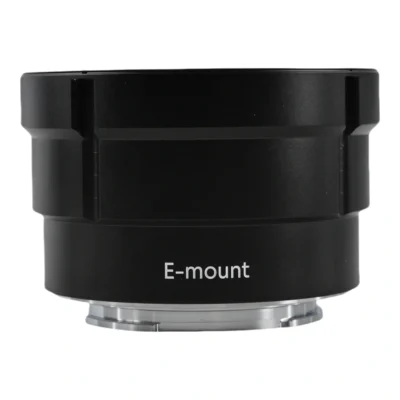
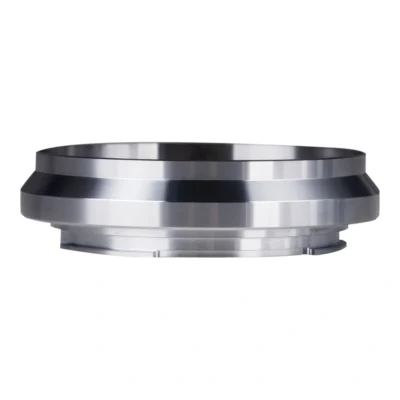
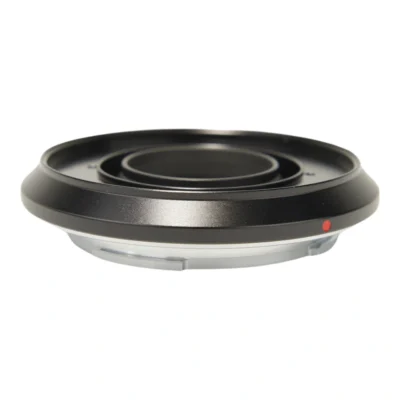

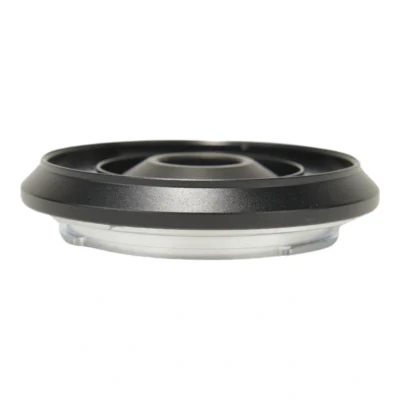
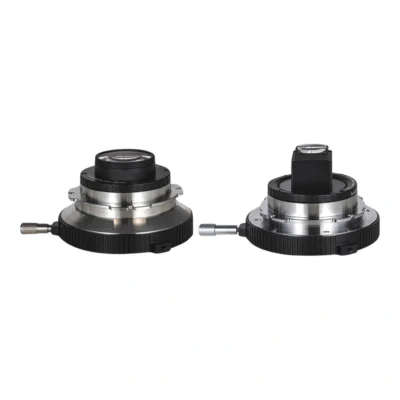
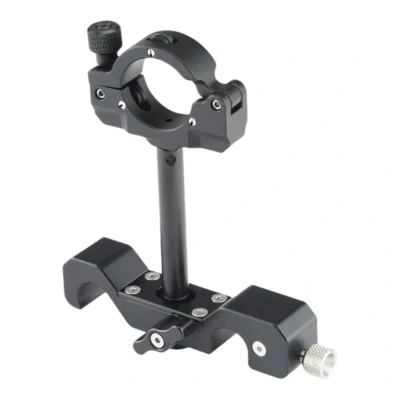
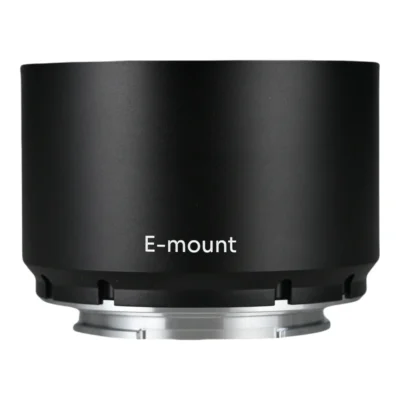
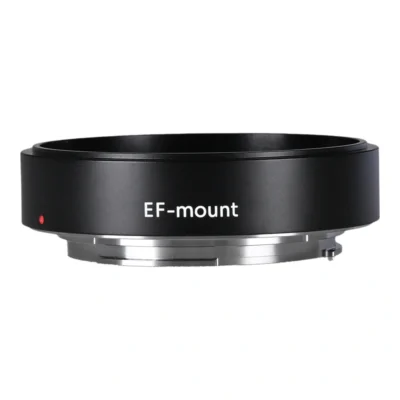
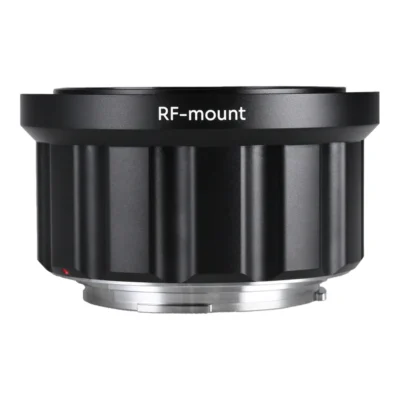
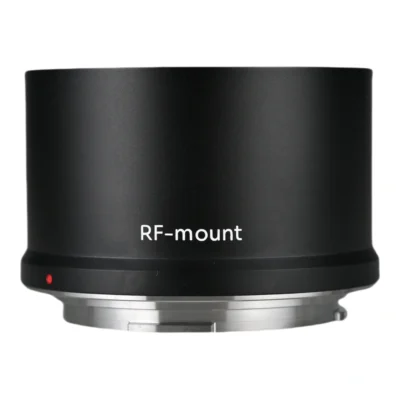
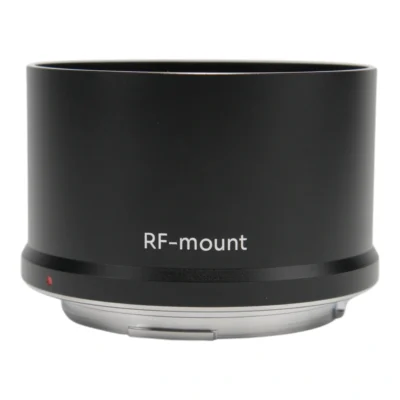
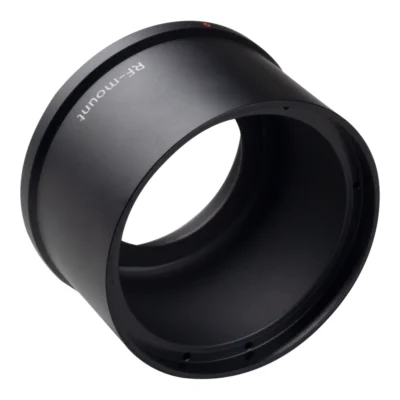
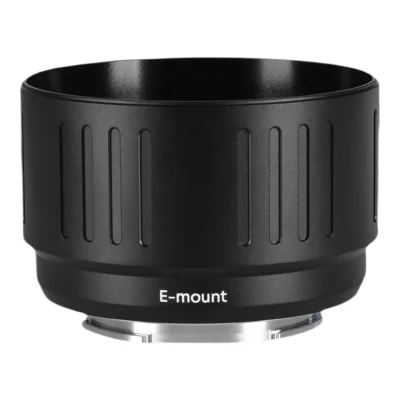
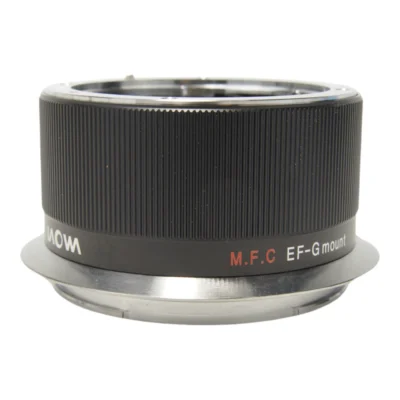
A lens adapter sits between lens and camera and joins two mounts that would not otherwise fit. It might be an old lens on a new camera, a cine lens moving between systems or a lens that needs to cover a bigger sensor than it was built for. Most of it is possible, though not all, and the price is usually some feature.
Why some lenses can be adapted and others cannot
Every mount has a fixed distance between the mount and the sensor. It is called the flange distance, and the lens is designed to focus correctly at exactly that distance.
Mirrorless cameras have a short flange distance because there is no mirror taking up room. A DSLR lens is built for a longer distance, so an adapter that fills the gap is all you need. That is why Canon EF and Nikon F lenses work on Sony E, Canon RF, Nikon Z and other mirrorless mounts.
The other way round rarely works. A mirrorless lens would have to sit closer to the sensor than a DSLR body allows. That takes glass in the adapter, and image quality suffers. It is usually better not to bother.
Adapters with and without electronics
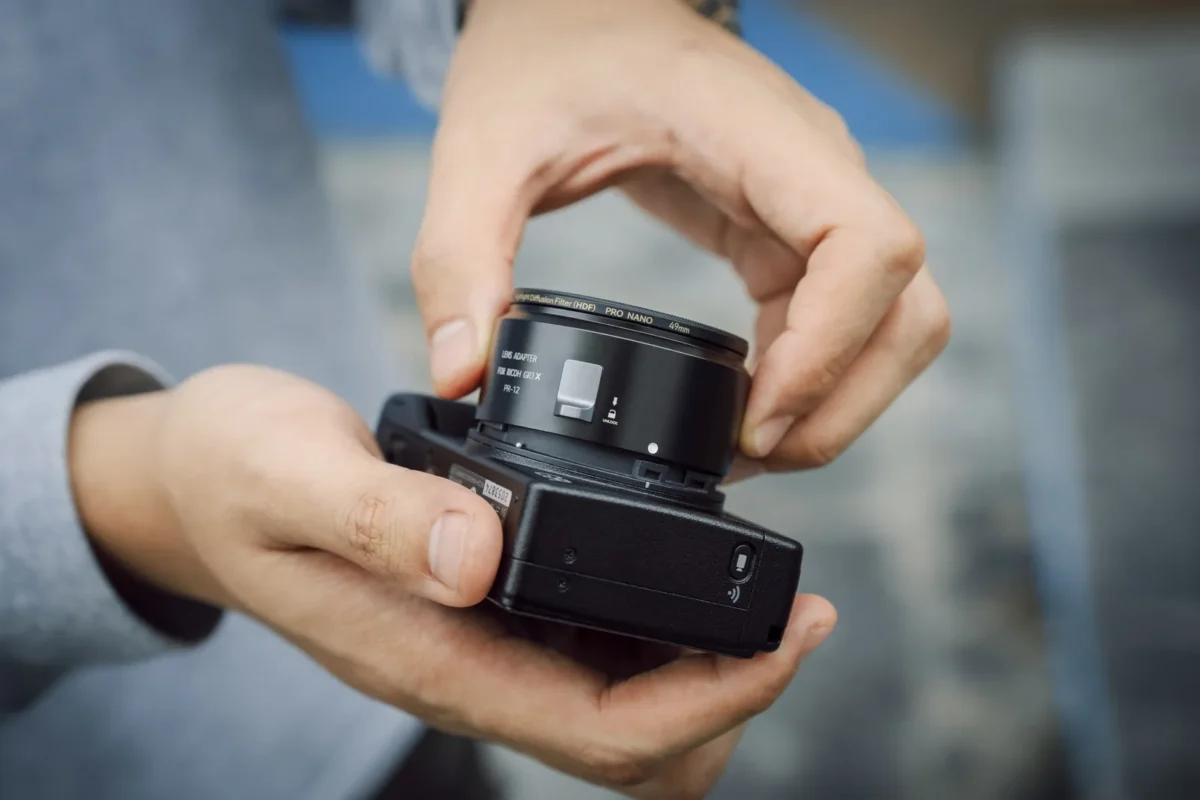
Mechanical adapters
A simple adapter is a precision-machined ring with no contacts. The image passes through no glass, so quality is unaffected if the adapter is made properly. The camera, however, does not know the lens is there. You focus by hand and set the aperture on the lens's ring. That works well with older manual lenses, but not with lenses that lack an aperture ring, since there is then no way to set the aperture.
Electronic adapters
An electronic adapter passes the signals between camera and lens. Aperture is set from the camera, lens data is saved in the file and autofocus works in many cases. How fast it focuses depends on the mix of lens, adapter and body. Expect it to be slower than with a native lens, and check the maker's list of tested lenses.
Interchangeable bayonets on cine lenses
Several cine lenses from Laowa and ZEISS are built so the mount itself unscrews and can be replaced. Instead of an adapter you buy a new bayonet for the system you are moving to. The lens then sits at the correct flange distance directly on the camera, with no extra length and no play.
For a filmmaker who freelances or switches cameras between jobs, that is a strong reason to choose those series. Check that the bayonet is made for your exact lens series, as they do not swap between series. Follow the maker's instructions for the change, and check that the focus scale is still accurate afterwards.
Optical adapters: focal reducers, expanders and converters
Some adapters contain lenses and change the image that reaches the sensor. They exist to move a lens to a different sensor format.
| Type | What it does | Light | Used for |
|---|---|---|---|
| Focal reducer 0.7x | Shrinks the image circle for a wider view | About one stop brighter | Full-frame lenses on a smaller sensor |
| Expander 1.4x | Enlarges the image circle and lengthens the focal length | About one stop darker | Super 35 lenses on full frame |
| Format converter | Enlarges the image circle to cover medium format | Somewhat darker | Full-frame lenses on Fujifilm GFX |
| Shift converter | Lets you shift the optics | Somewhat darker | Architecture with DSLR lenses on a mirrorless body |
A focal reducer gathers the light from a larger lens onto a smaller area, which is why the image gets both wider and brighter. An expander does the reverse and spreads the light over a bigger sensor. Anamorphic adapters for film are optical adapters too, and we cover them under standard, telephoto and zoom lenses.
Before you buy an adapter
Check both mounts carefully. The adapter needs the lens mount on one side and the camera mount on the other, and optical adapters are often tied to a particular lens series. Read the compatibility notes in the product information.
Think about what you want to keep. If you need autofocus, an electronic adapter is the way. For landscape or film work with manual focus, a mechanical one is often enough.
Heavy lenses on an adapter strain the mount. Put the tripod on the lens's tripod foot if it has one, not on the camera.
Finally, test focus at infinity when the adapter arrives. An adapter that is too long means the horizon will never be sharp, and you will see it at once.
Frequently asked questions about lens adapters
Can I use my old lenses on a mirrorless camera?
Usually yes. DSLR lenses such as Canon EF and Nikon F fit most mirrorless cameras with an adapter. With a mechanical adapter you focus by hand, with an electronic one autofocus may work.
Does autofocus work with a lens adapter?
Only with an electronic adapter, and then in many but not all cases. Focus is often slower than with a lens made for the camera. Check the maker's list of tested lenses.
Does a lens adapter reduce image quality?
An adapter without glass does not affect image quality if it is made properly. Optical adapters such as focal reducers and expanders contain lenses, and the edges may get a little softer.
What is a focal reducer?
A focal reducer is an optical adapter that shrinks the lens's image circle. On a smaller sensor it gives a wider view and about one stop more light, for example with a 0.7x reducer.
What is an interchangeable bayonet?
It is a lens mount that unscrews from the lens and can be replaced with another. Several cine lenses from Laowa and ZEISS have one, so the same lens can move between camera systems without an adapter.