


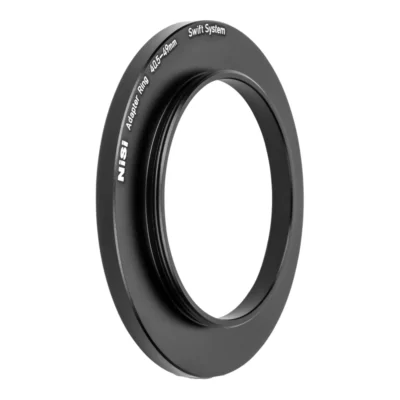


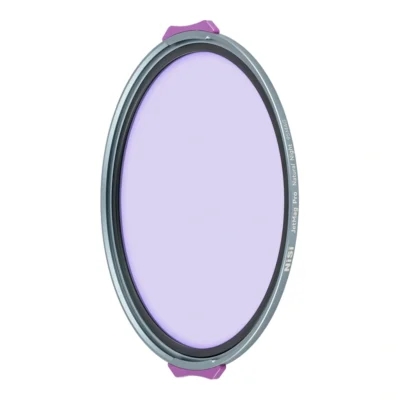


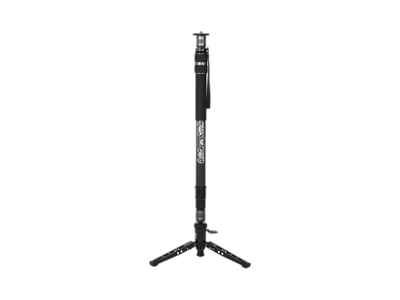


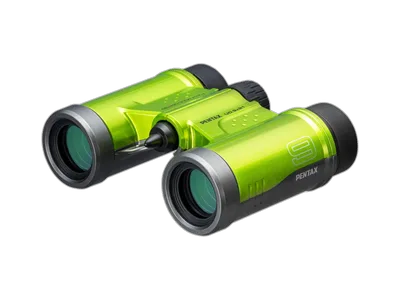








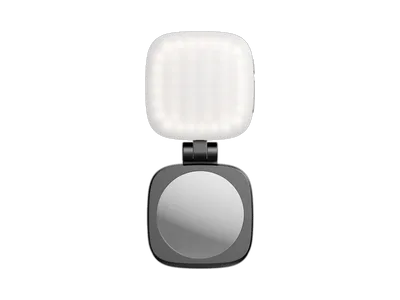
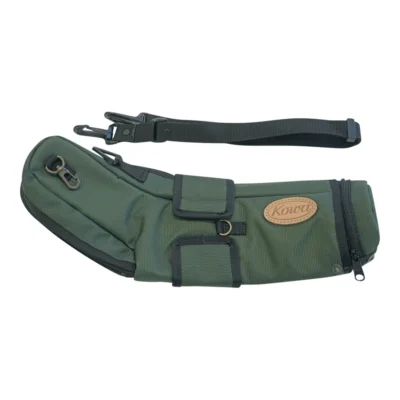
The accessories protect the binoculars and make them easier to carry. A harness spreads the weight better than a strap round the neck on long walks, and cases and eyepiece covers keep dirt and rain out. A tripod adapter holds the binoculars still for long observation. Cases and covers are made for specific binoculars, so check the model.
Read more about binocular accessories
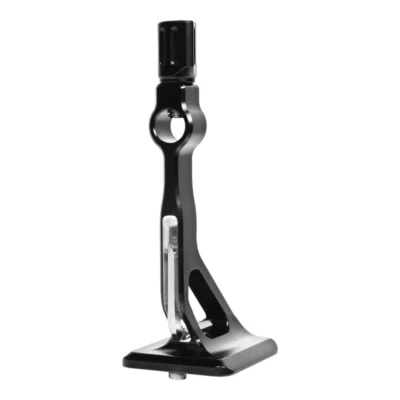
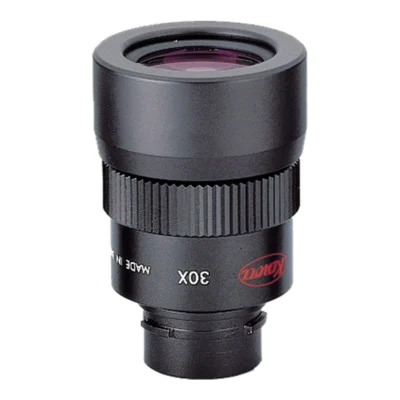
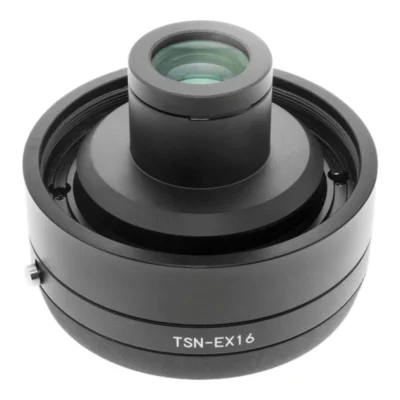
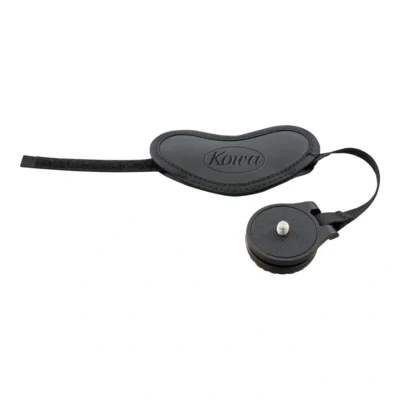
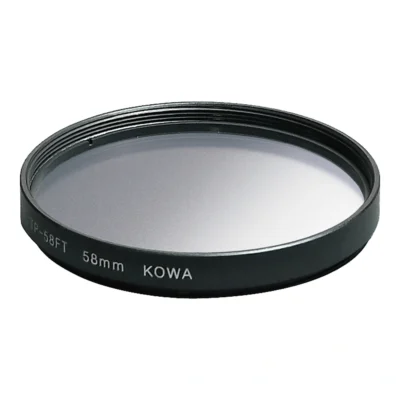
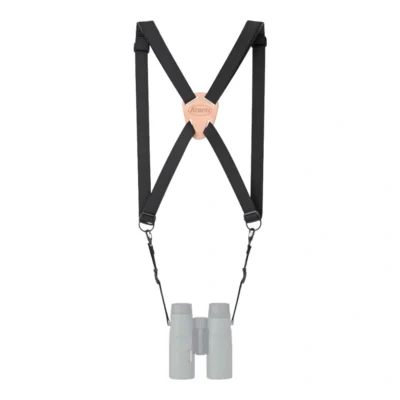
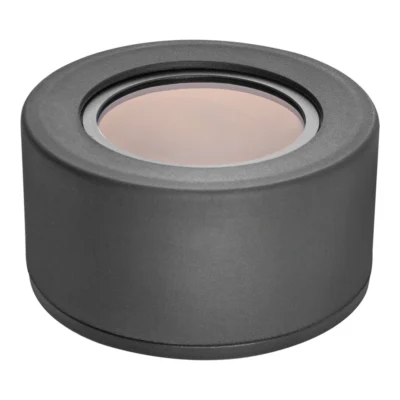




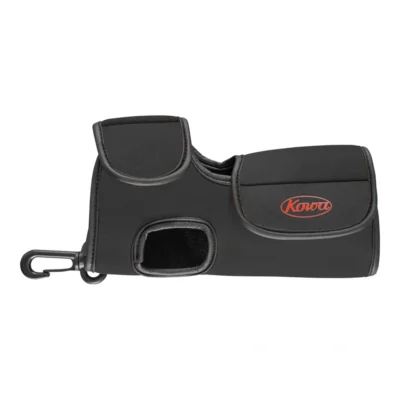
The right accessories mean your binoculars come out more often and last longer. A good harness takes the weight off your neck, an eyepiece cover keeps rain out and a tripod adapter turns ordinary binoculars into an instrument for long sessions. Most of this is small stuff, but several items are things you only miss once you are standing there without them.
Strap or harness
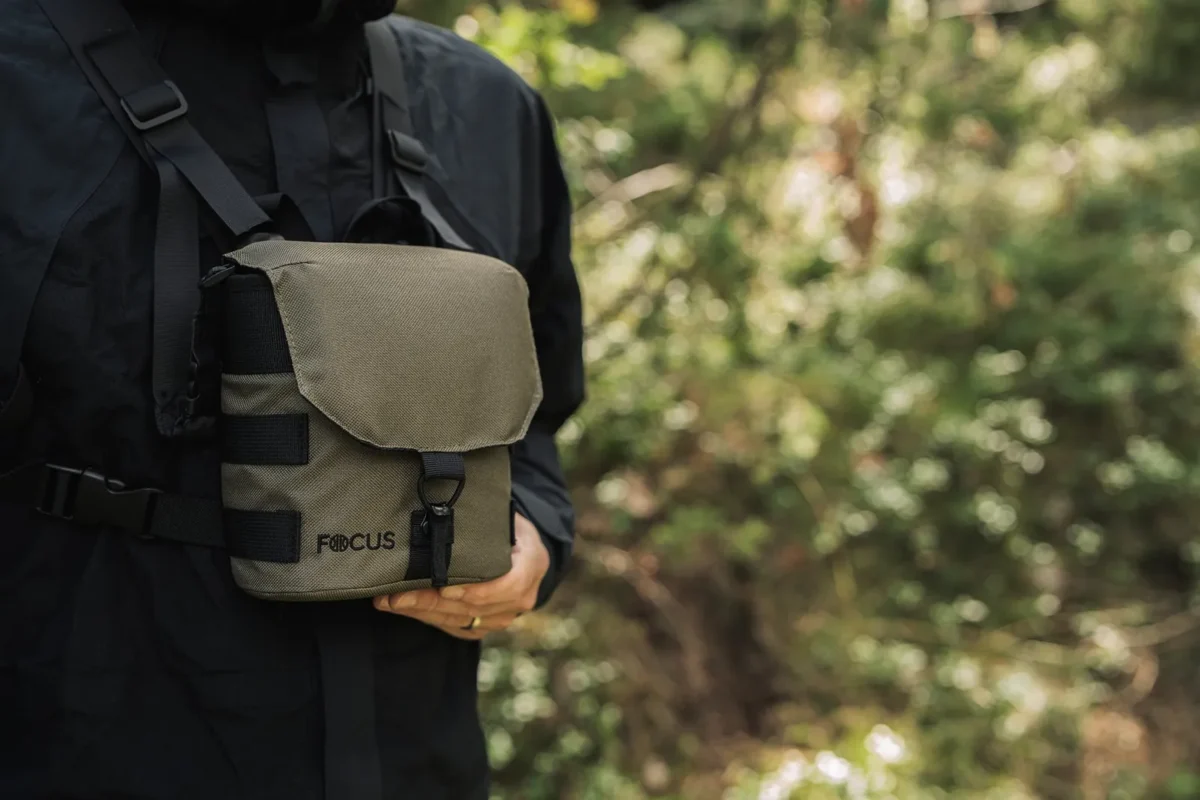
The strap that comes with binoculars is often thin and made to do the job, not to be comfortable. A wider padded strap spreads the pressure better, and a strap with a buckle can be adjusted or removed quickly.
A harness goes over both shoulders and holds the binoculars against your chest. The weight lands on your shoulders and back instead of your neck, and the binoculars do not bounce against your stomach when you walk or bend. Lift them to your eyes, let go and they return to place. For birders and hunters who carry binoculars all day, the harness is the accessory that makes the biggest difference.
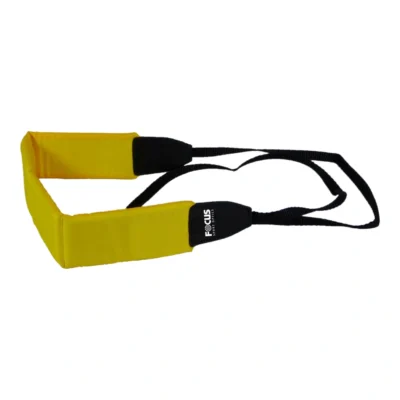
On a boat a floating strap is worth having. It keeps the binoculars afloat if they go overboard, and it is easy to spot in the water.
Tripod adapters for binoculars
Binoculars on a tripod show more than the same pair handheld. The shake disappears and you see details you would otherwise miss. You notice it even at 8x, and it becomes essential at 12x and above.
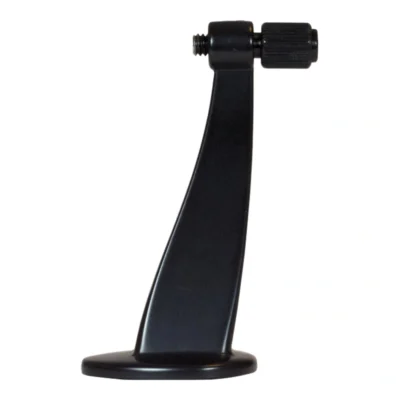
Most nature binoculars have a thread under a cap at the front of the hinge. An L-shaped adapter screws in there and then mounts on the tripod head. The product information tells you if your binoculars have a tripod thread. Some adapters fit both roof and Porro binoculars. Others clamp around the binoculars and work on models without a thread too.
A tripod with a video head makes it easier to follow something moving, but for perched birds and views an ordinary photo tripod is fine.
Eyepiece and objective covers
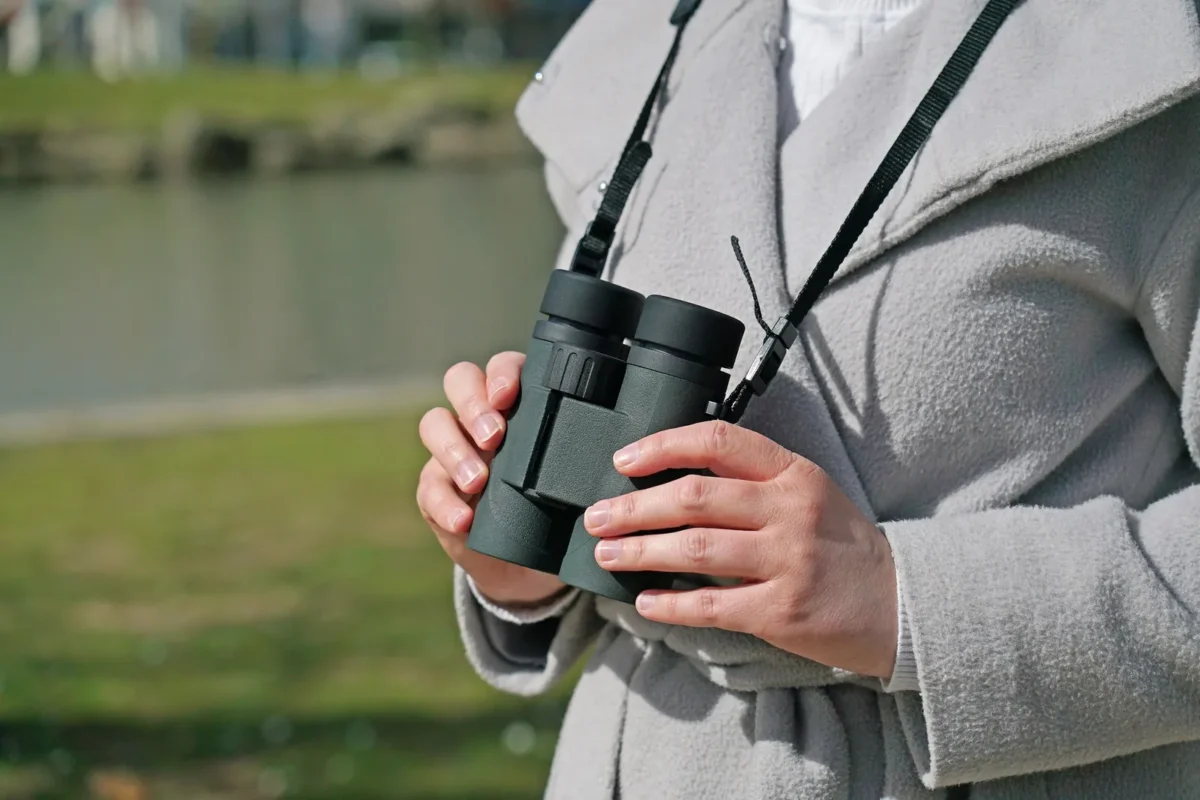
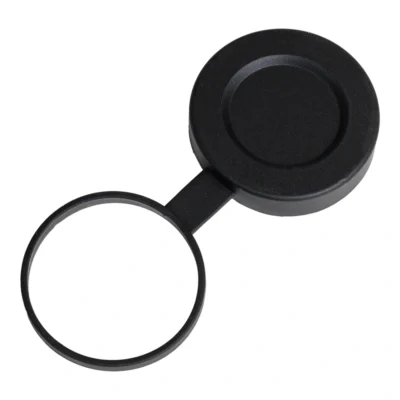
An eyepiece cover sits on the strap and drops over the eyepieces when you are not looking. It keeps rain, pine needles and dust off the glass that is hardest to keep clean. Covers are sold by the outer diameter of the eyepieces, for example 42 or 45 mm. Measure across the eyecups on your binoculars before ordering, since a cover that is too big falls off and one that is too small will not go on.
Objective covers sit over the front lenses. Many are tethered to the binoculars so they stay attached when you flip them off. If yours are missing or lost, they are sold in pairs.
Spotting scope accessories
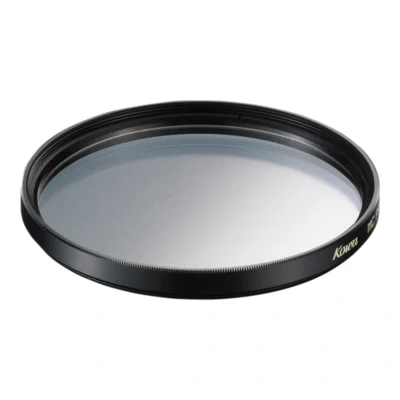
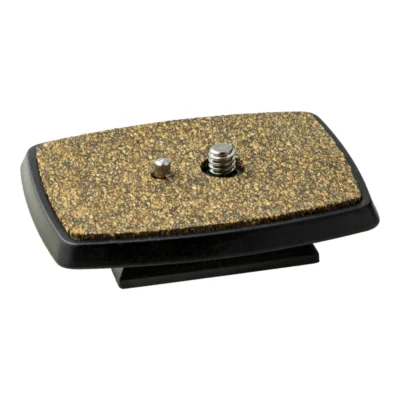
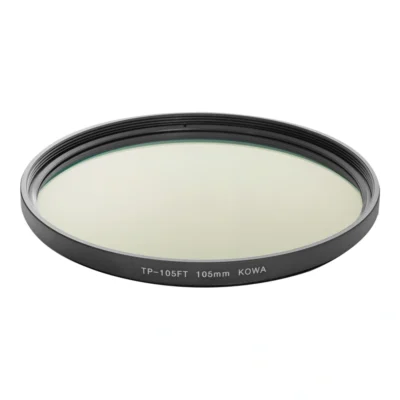
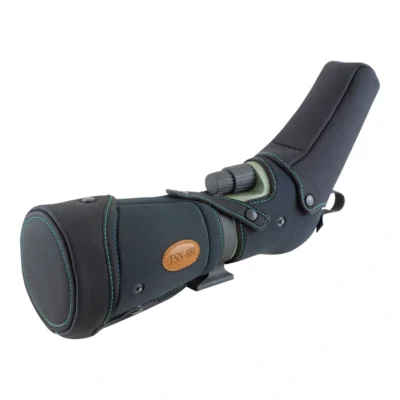
A spotting scope has a few accessories of its own. A neoprene stay-on case protects against knocks and weather. A protection filter in front of the objective guards the large front lens. Kowa offers interchangeable eyepieces, an extender that raises magnification and adapters for using eyepieces across series. A quick-release plate lets you lift the scope off the tripod in one move.
Always check that an accessory is made for your scope series. Eyepieces, cases and filters are usually tied to a particular model or objective size. Our spotting scope guide covers choosing the scope itself.
Phone adapters for binoculars
A phone adapter holds the phone camera exactly in front of the eyepiece so you can photograph or film what you see. There are universal adapters that clamp around the eyepiece and adapters made for a particular pair of binoculars or monocular. On binoculars you also need a tripod for sharp pictures. Our digiscoping guide explains how to pick an adapter and get good results.
Solar eclipses and safety
Never look at the sun through binoculars or a spotting scope without an approved solar filter over the objectives. The optics concentrate the light, and the damage to your eye can be permanent in a fraction of a second.
Eclipse glasses are made for looking at the sun with the naked eye. They block the harmful light and let you follow an eclipse safely. They must not be used behind binoculars, because the light has already been concentrated before it reaches the glasses. Children should always have an adult beside them.
Frequently asked questions about binocular accessories
Which binocular strap is best?
For short outings a wide padded strap is enough. If you carry binoculars all day, a harness is better, as it puts the weight on your shoulders and keeps the binoculars still against your chest. On a boat a floating strap is a safe choice.
How do I know which eyepiece cover fits my binoculars?
Eyepiece covers are sold by the outer diameter of the eyepieces. Measure across the eyecups and choose a cover of the same size, for example 42 or 45 mm.
Can you put binoculars on a tripod?
Yes, most nature binoculars have a thread in the hinge for a tripod adapter. There are also adapters that clamp around the binoculars for models without a thread.
Are there phone adapters for binoculars?
Yes, a phone adapter holds the phone camera in front of the eyepiece so you can photograph through the binoculars. They need to be on a tripod for sharp pictures, and our digiscoping guide covers the technique.
Can you watch a solar eclipse through binoculars?
Only with an approved solar filter over the objectives. Eclipse glasses are made for the naked eye and give no protection if used behind binoculars.