
















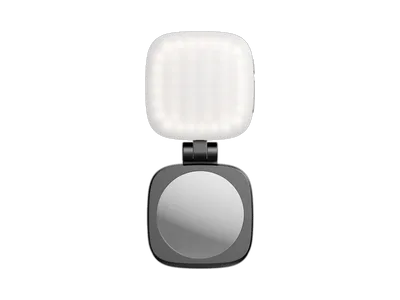
Studio lights are more powerful lights used with a light modifier, such as a softbox, to give soft and even light. Bi-colour lights change colour temperature, and RGB lights give coloured light for effects. Check the mount of the light for modifiers and whether it can run on battery. The light stand must carry the weight of the light with the modifier fitted.
Read more about studio lights & light stands

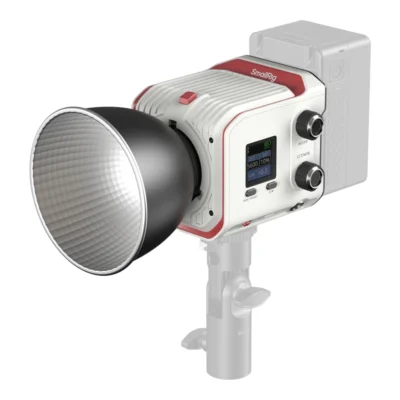


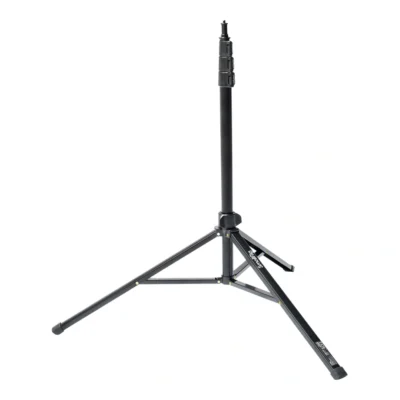
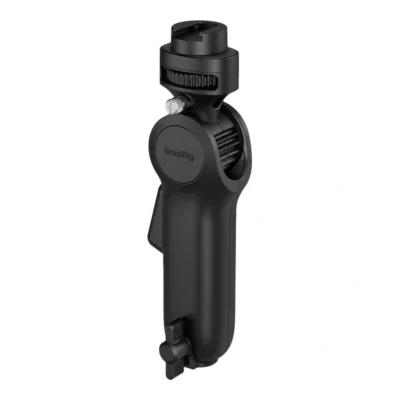
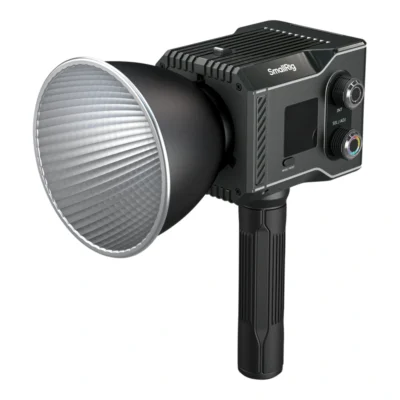


When a small panel is no longer enough, it is time for a studio light. It gives so much output that you can put it behind a large softbox and still have light to spare at low ISO. This guide covers how the lights differ, what the stand has to handle and how to build up light in a small studio.
COB lights and what a monolight is
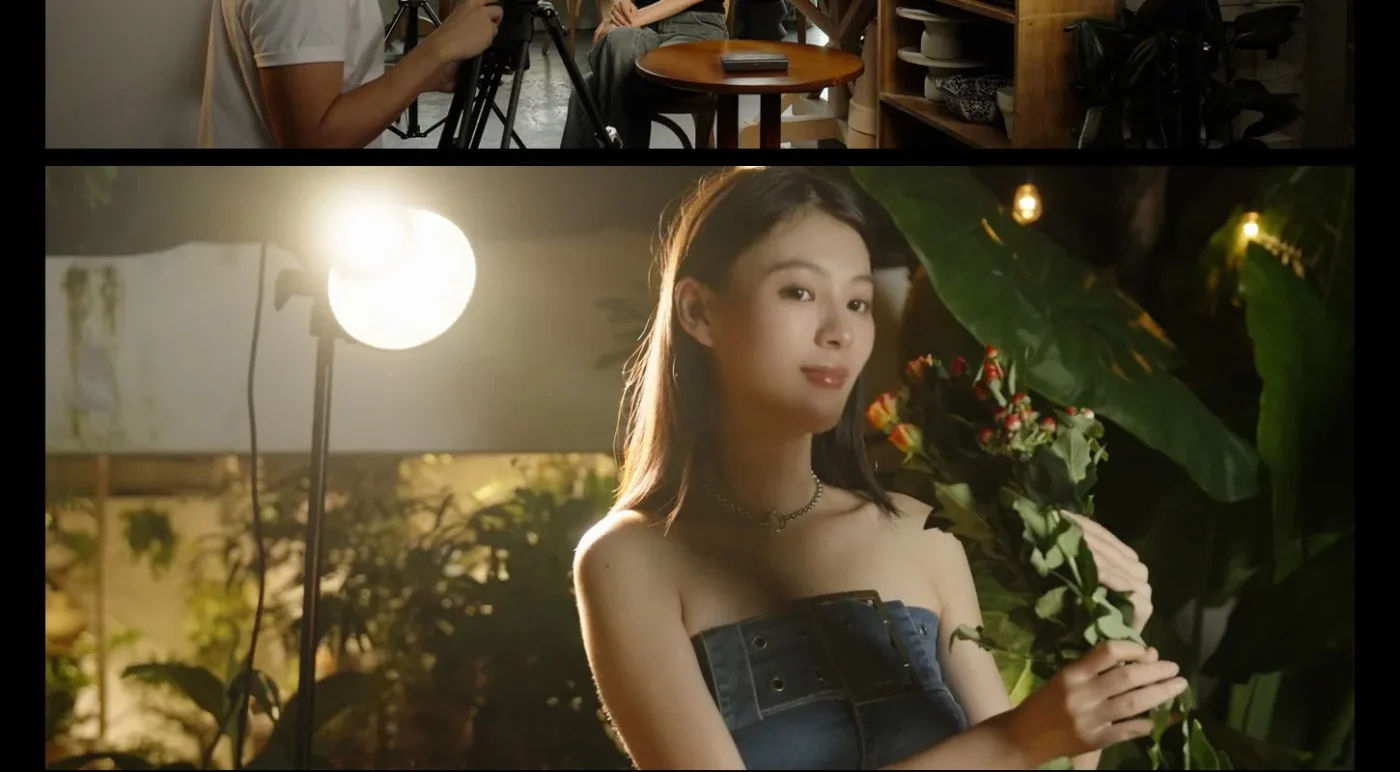
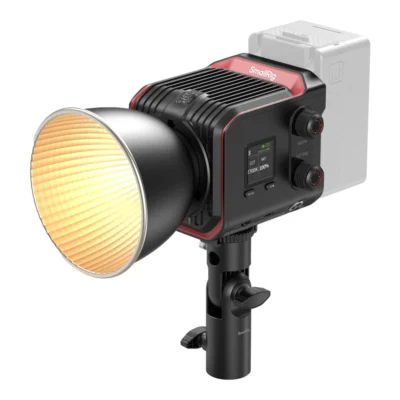
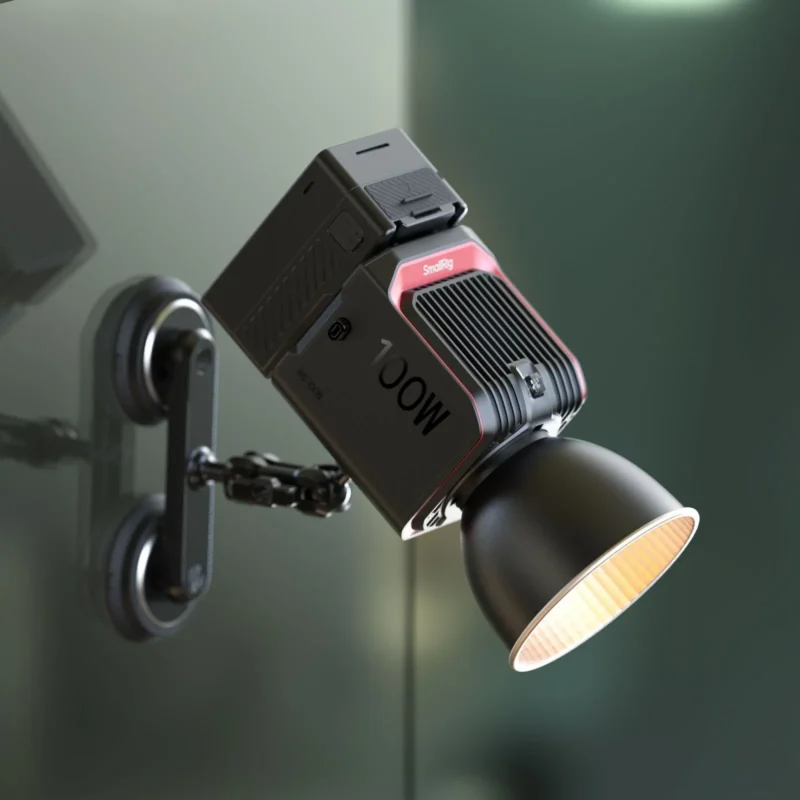
Almost every studio video light today is a COB light. COB stands for chip on board: many LEDs packed tightly on a single chip. The result is a small, very bright point of light. Bare, it gives hard light. It is meant to be used with a reflector, a softbox or another modifier in front.
The word monolight comes from studio flash. It meant a flash with the generator built into the head, so no separate power pack was needed. Today it is also used for LED lights built the same way, with everything in one housing and a modifier mount at the front.
The lights come in three kinds. Daylight lights run at a fixed colour temperature around 5600 K and give the most light per watt. Bi-colour lights can be set from warm to cool. RGB lights can also produce colour. For interviews and product photos, a bi-colour light goes a long way.
How much power you need
Wattage gives a first indication. A light of 60 to 100 W is usually enough for a face in an ordinary room, even through a smaller softbox. If the light has to go through a large softbox, compete with window light or light a whole scene, you want 200 W or more.
Compare brightness in lux, but only at the same distance and with the same reflector. Makers often measure at one metre with the supplied reflector fitted, and without it the figure drops a lot.
Most COB lights are cooled by a fan. If you record sound in a quiet room, it may be audible. Check how the light handles its fan before you buy one for podcasts and interviews.
Mounts for softboxes and modifiers
The Bowens mount is the standard on larger studio lights. It is a three-lug bayonet, and most studio softboxes, reflectors and Fresnel lenses come with it. Smaller lights often have their own, smaller mount. Adapters let you use Bowens accessories on them, but watch the weight. A big softbox on a small light gets front-heavy.
Choosing the modifier itself is covered in the light modifiers and softboxes guide.
Power on location and remote control
At home the mains adapter is fine. Outdoors, or anywhere without a socket, you need a battery. Smaller COB lights may have a built-in battery or run from a strong USB-C PD power bank. Larger lights run on V-mount batteries, or on two NP-F type batteries in a battery plate. Make sure the battery can deliver the light's full power. One that can't may leave the light running dimmer than it should.
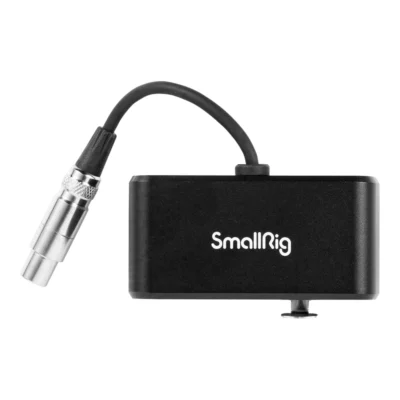
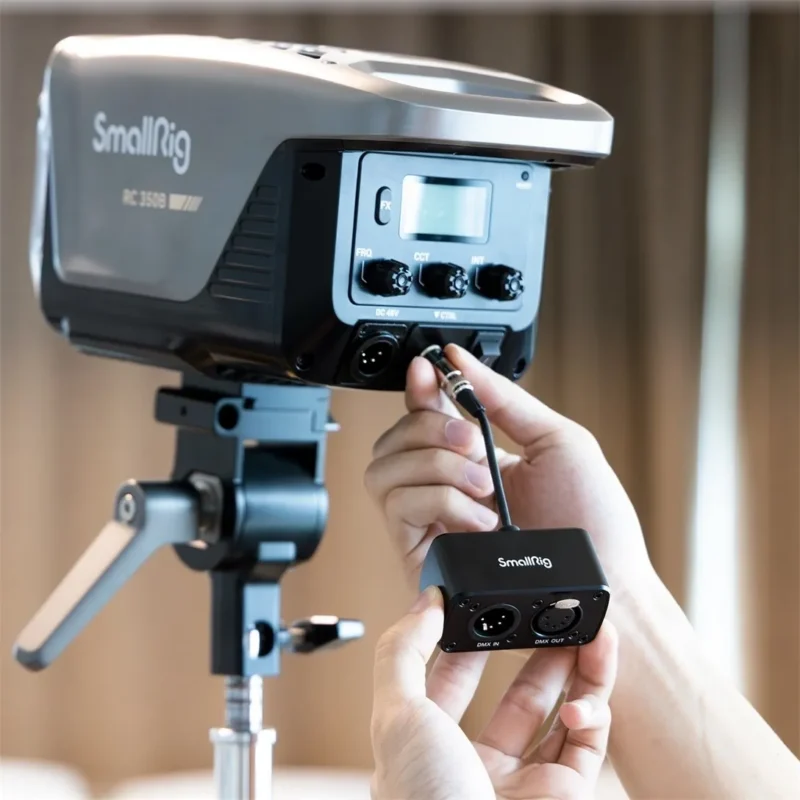
Many lights can be controlled from a phone app. That matters when the light is high on a stand or behind a softbox. Professional setups with several lights are controlled over DMX from a lighting desk, and some lights need an adapter for that.
Light stands: height, load and air cushioning
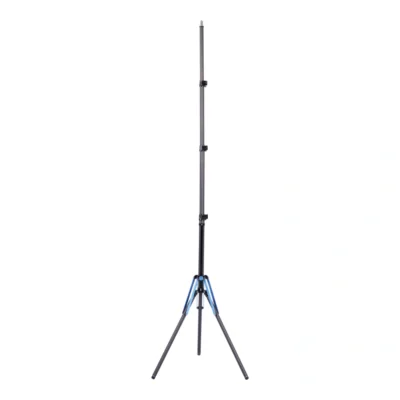
The stated maximum load means a vertical load at the top of the stand. Count the battery and adapter in the weight too. A softbox sticking out to one side puts more strain on the stand, and outdoors the wind catches it. Put a sandbag on the legs.
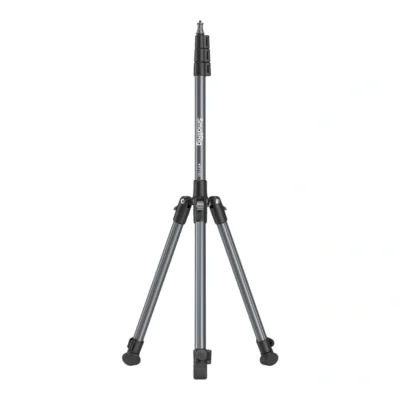
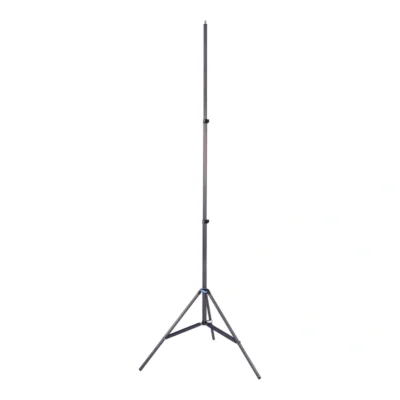
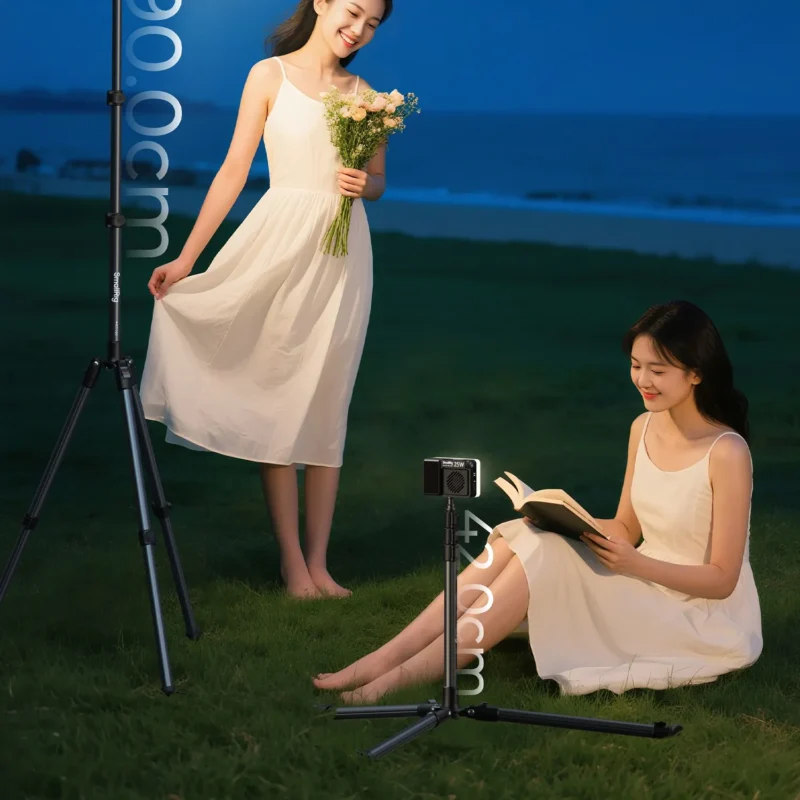
Height matters more than people think. Light coming down at an angle on a standing person often needs to sit above two metres. A 2.8 metre stand gives you room for that, while a lower one is fine for seated interviews and tabletop work.
Air-cushioned stands sink slowly if a lock slips instead of crashing down. That protects the light and your fingers. Stands with reversible legs fold to a shorter length and pack better. Carbon fibre is lighter to carry; aluminium costs less and takes knocks.
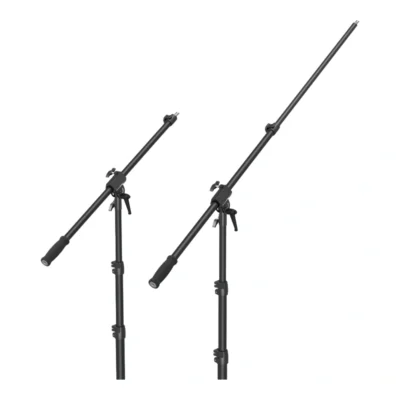
To put a light directly above a table or a person, you need a boom arm. The top of a light stand usually has a 5/8-inch spigot with a 1/4-inch thread. An adapter with a tilt joint and quick release makes aiming the light easier.
Two or three lights
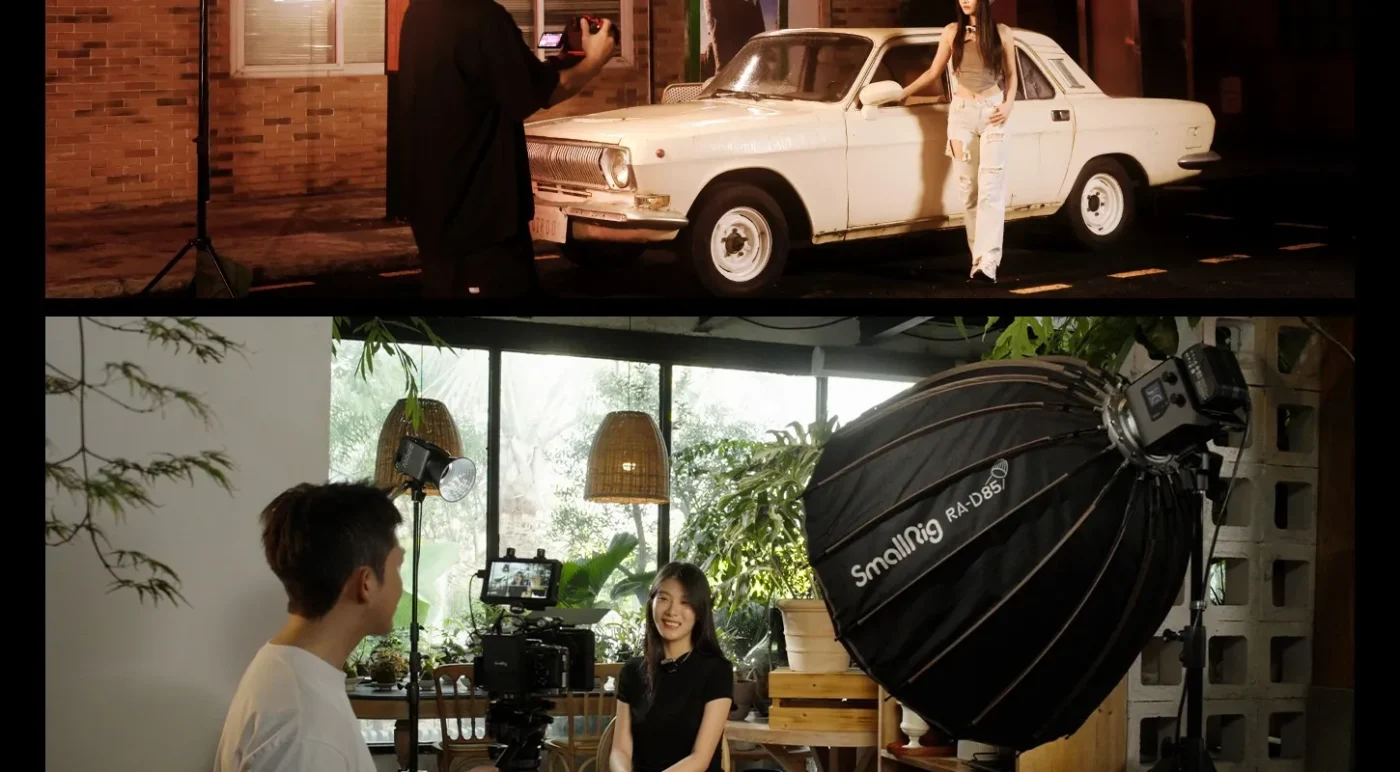
Classic lighting starts with the key light, in front and about 45 degrees to the side, slightly above eye level. It gives the face shape. The second light, the fill, goes on the other side at lower power so shadows don't turn black. A reflector can do the same job without needing power.
The third light comes from behind and puts a bright edge on hair and shoulders. It separates the person from the background. Many people skip it at first, yet it is often the light that makes the picture look deliberate.
Keep the same colour temperature on all lights unless you want an effect. And start with one light. Learn what it does before adding the next.
Small studio lights for macro
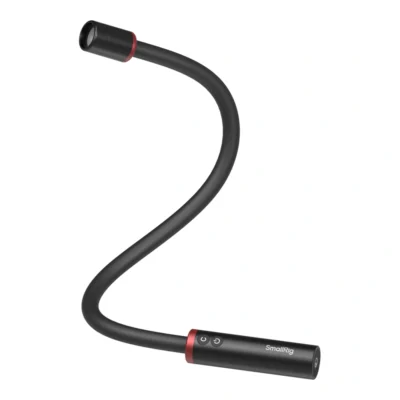
Studio lighting doesn't have to be big. For macro and small products there are lights with several small heads on flexible arms. Each arm is aimed on its own, so you can light under a mushroom cap or rim-light a leaf without moving the whole unit. Because the light is continuous, you see where the shadows fall before you take the shot.
Frequently asked questions about studio lights & light stands
What studio lighting do I need for a home studio?
A bi-colour COB light of 60 to 100 W with a softbox goes a long way for interviews, video and portraits in an ordinary room. Add a reflector as fill and a light stand rated for the light with its softbox. A second and third light can come later.
What is a monolight?
Originally a studio flash with the generator built into the head. Today the term is also used for LED studio lights built the same way, with everything in one housing and a modifier mount at the front. Most have a Bowens mount or their own mount with an adapter.
How tall a light stand do I need?
Around two metres is often enough for seated interviews and tabletop work. For light coming down at an angle on a standing person, or on a boom arm, you need more, ideally around 2.8 metres. Check the maximum load with light and modifier as well.
What is an air-cushioned light stand?
It has air damping in the leg sections, so the centre column sinks slowly if a lock comes loose. The light doesn't crash down and you don't pinch your fingers. It is worth having when heavy lights sit high.
Can studio lights run on battery?
Many can. Smaller COB lights may have a built-in battery or run from a USB-C PD power bank. Larger lights run on V-mount batteries or on NP-F batteries in a battery plate. Make sure the battery can deliver the light's full power.