
















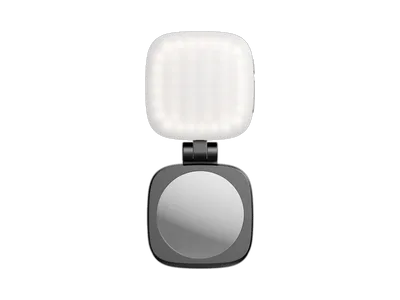
A macro lens focuses very close and renders small subjects large on the sensor. Magnification is the key figure: 1:1 shows the subject at life size, and higher magnification is for very small subjects. A longer focal length gives more distance to the subject, which helps with shy insects and lighting. At high magnification the depth of field becomes very shallow.
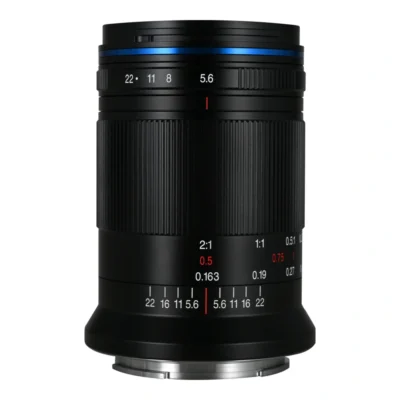
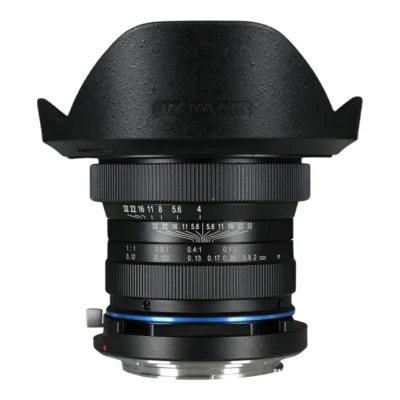
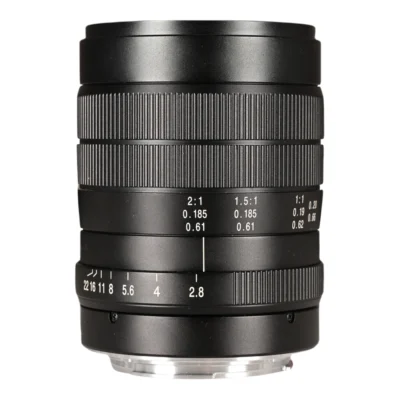
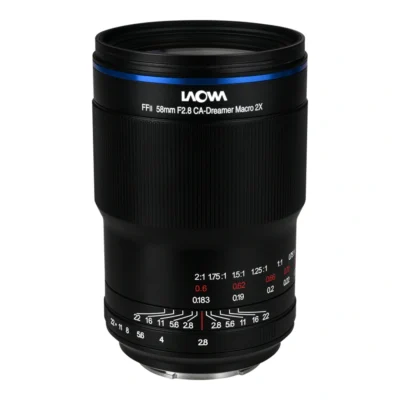
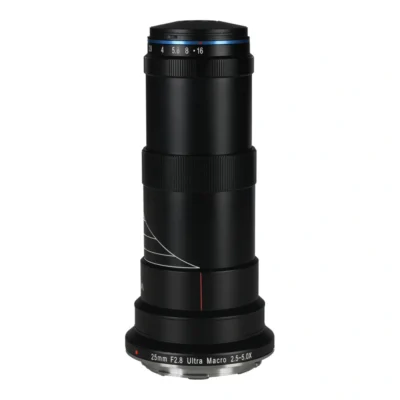
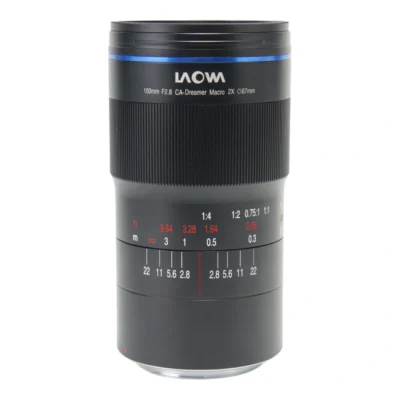
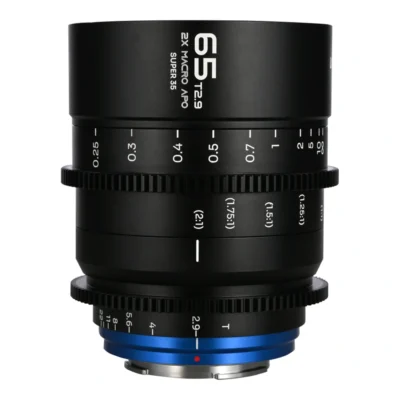
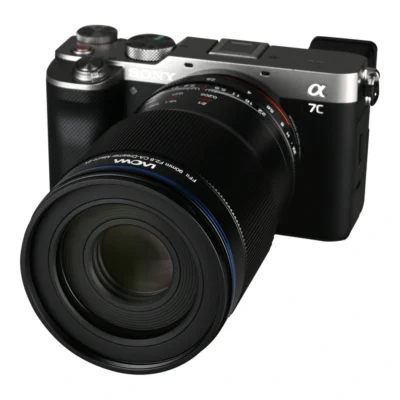

With a macro lens an ant becomes a subject of its own. You get close enough for the texture of a leaf, the scales on a butterfly wing or a spider's eyes to fill the whole frame. It is a kind of photography with its own problems, and most of them are about light and depth of field rather than the lens.
What is a macro lens?
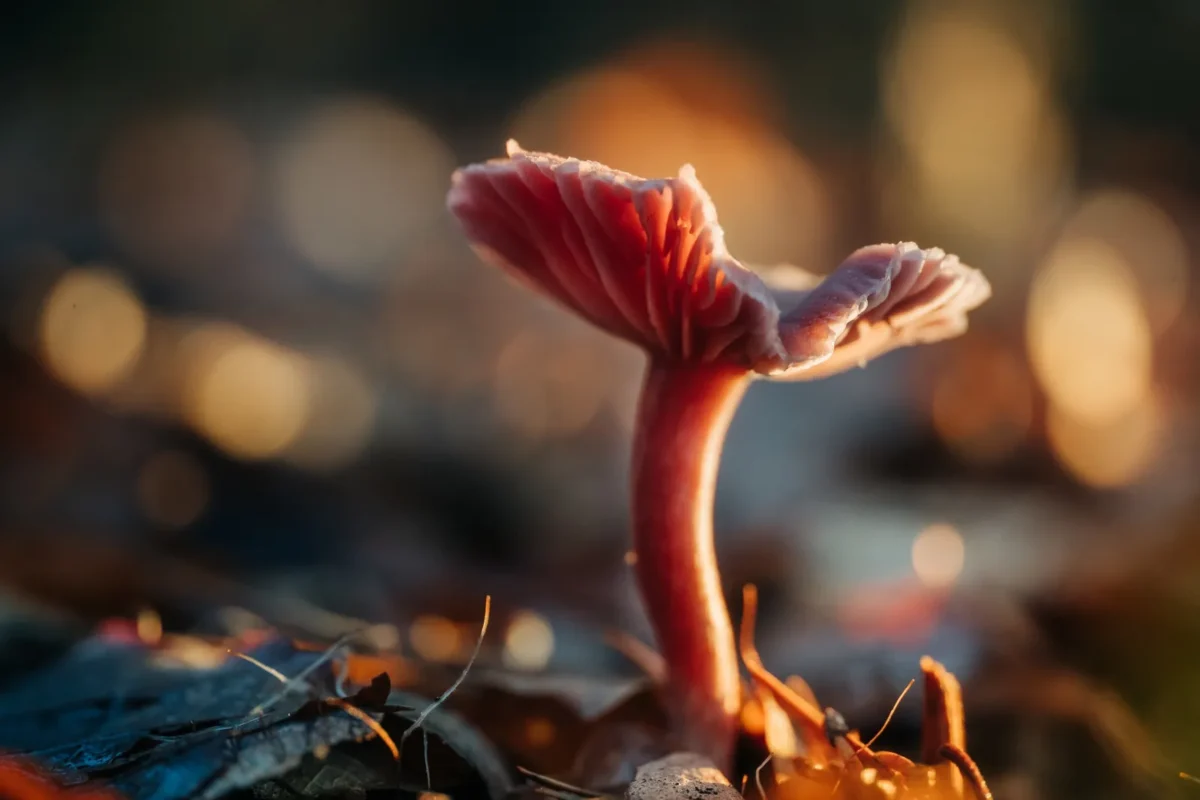
What sets a macro lens apart is how close it can focus. That is measured as magnification, meaning how large the subject is on the sensor compared to real life.
| Ratio | What it means | Typical subjects |
|---|---|---|
| 1:2 (0.5x) | The subject is half its real size on the sensor | Flowers, mushrooms, product shots |
| 1:1 | The subject is life size on the sensor | Insects, jewellery, stamps |
| 2:1 | Twice life size | Small insects, eyes, snowflakes |
| 5:1 | Five times life size | Insect details, crystals |
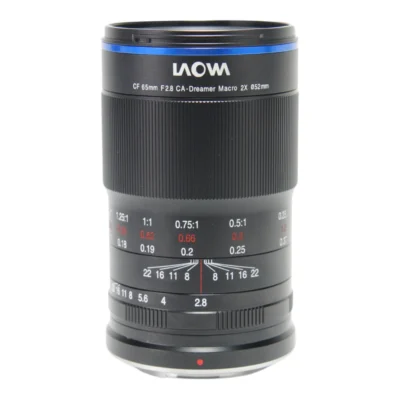
A true macro lens reaches at least 1:1. Many Laowa lenses go to 2:1, giving twice the image size of a traditional macro. Lenses that stop at 1:2 are sometimes called half macro. A normal lens with a short minimum focus distance can take nice close-ups, but it is not the same thing.
Focal length and working distance
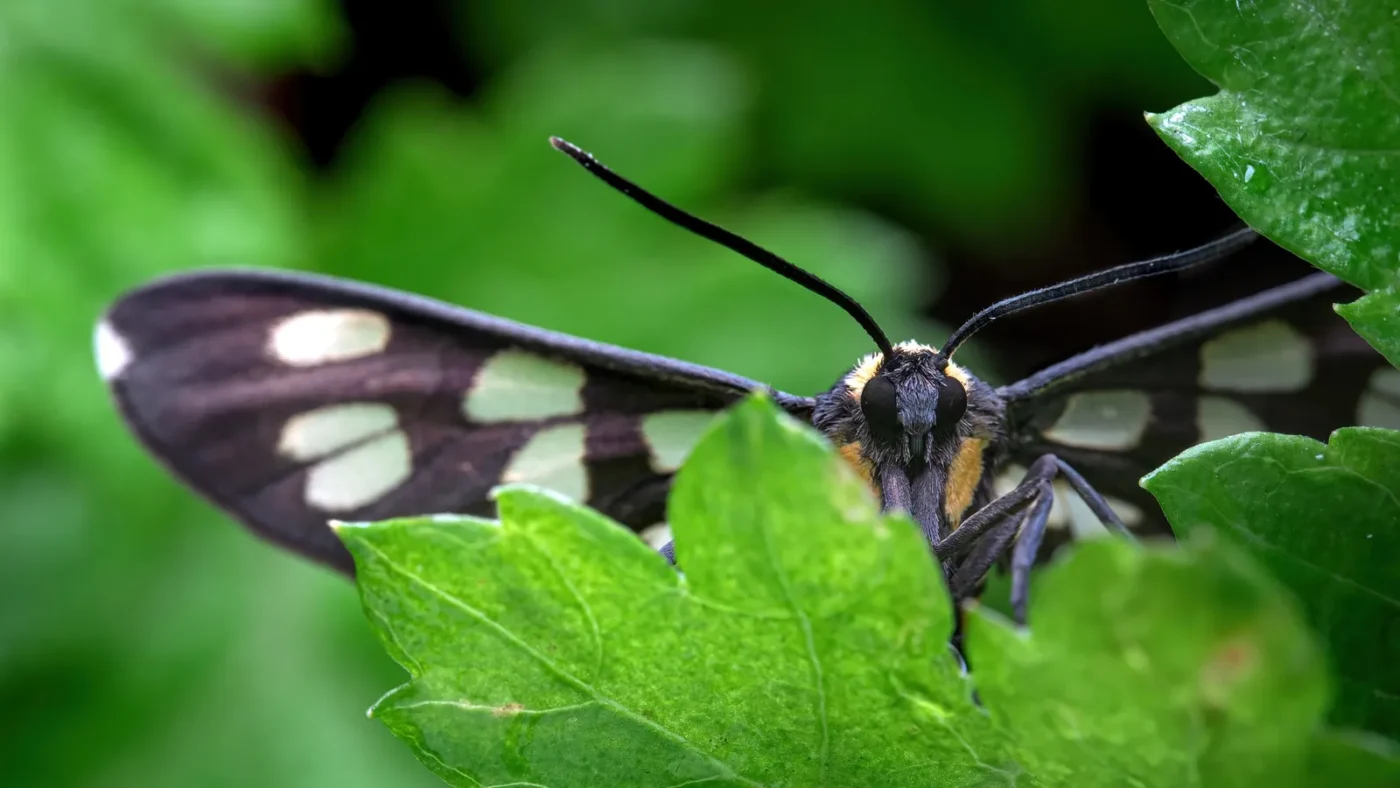
Working distance is the gap between the front of the lens and the subject at maximum magnification. It matters more than it sounds. The minimum focus distance in the specs is measured from the sensor, so the real space in front of the lens is shorter than the figure suggests.
With a 50 to 65 mm macro the front ends up a few centimetres from the subject. That is fine for flowers, coins and anything that keeps still. A live fly will leave, and the lens often blocks your light.
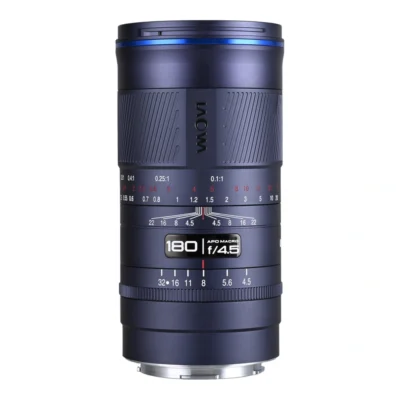
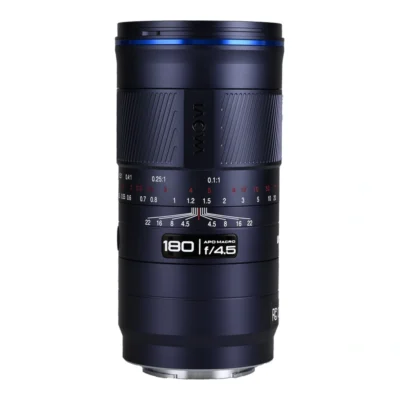
A 90 to 100 mm macro is the usual choice for nature because it gives you room. A 180 mm adds even more distance and a calmer background. It suits shy insects but asks more of your tripod. On a smaller sensor the same focal length frames tighter, so a 50 mm on Micro Four Thirds behaves more like a 100 mm on full frame.
Depth of field, aperture and focusing
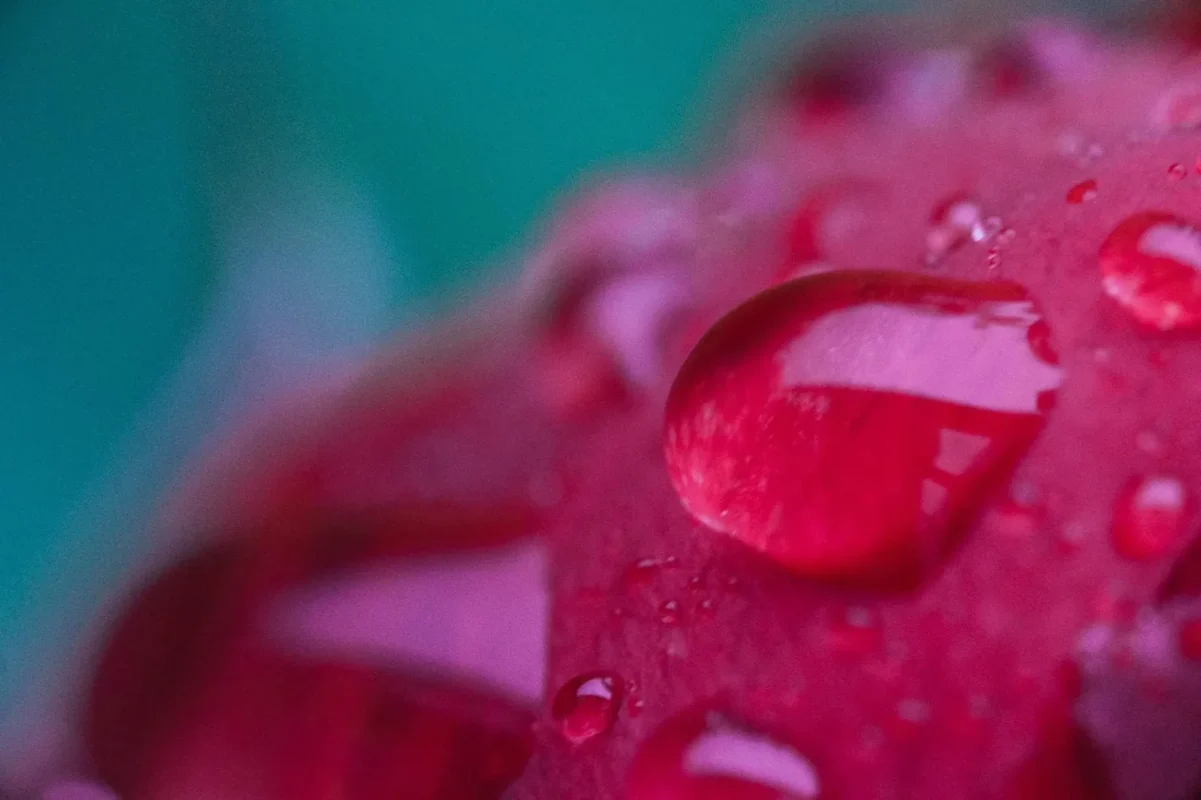
At 1:1 depth of field is a few millimetres, even stopped down. At 2:1 it is less. That is why so many macro shots show a thin sharp plane in a sea of blur.
It is tempting to stop down to f/22 or beyond. Be careful. At high magnification diffraction softens the image well before you reach the smallest aperture. The effective aperture also rises as you focus closer, so less light gets in than the number on the ring says.
Focus by moving the camera back and forth rather than turning the ring. Set the magnification, then move the whole camera until the part you want sharp comes into focus. A macro focusing rail does the same in small, precise steps on a tripod.
If you want a whole insect sharp, take several frames focused at different depths and merge them in software. That is called focus stacking, and it is standard in serious macro work.
Light and stability
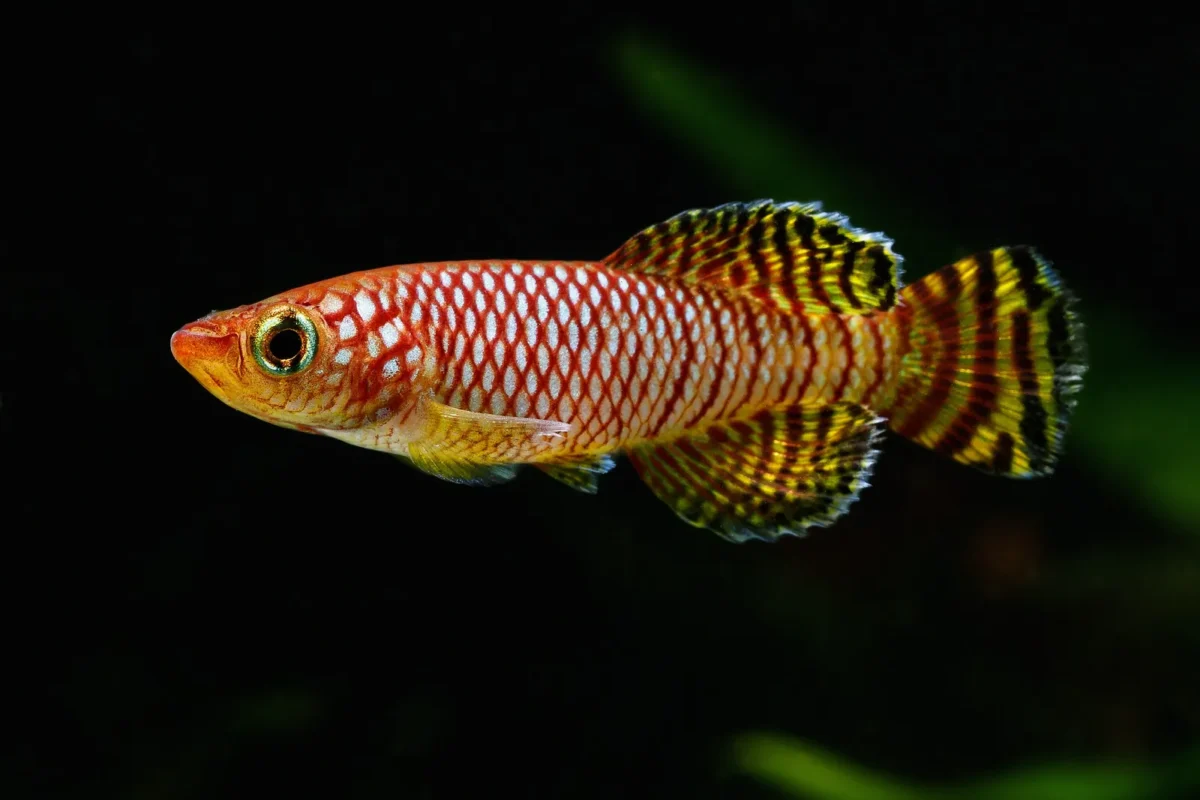
Light is the macro photographer's biggest headache. Small apertures, short distances and a lens in the way make things dark quickly. Outdoors in daylight a reflector or a sheet of white paper can be enough. Otherwise flash with a soft diffuser is most common. It also freezes movement, so you can shoot handheld.
A tripod works best for subjects that stay put, such as mushrooms, flowers and objects indoors. Use the self-timer or a remote. At 2:1 your breathing alone moves the focus plane. Some macro lenses have a tripod collar so the lens carries the weight instead of the camera mount.
Wind is the other enemy. Go out early in the morning when the air is still and insects are cold and slow.
Wide-angle macro and extreme magnification
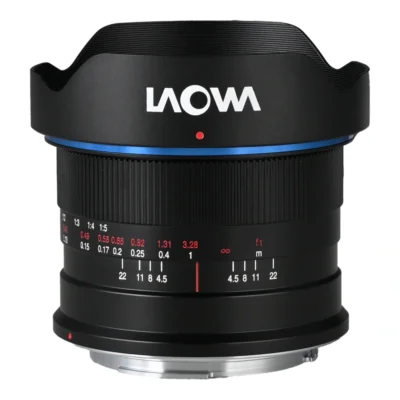
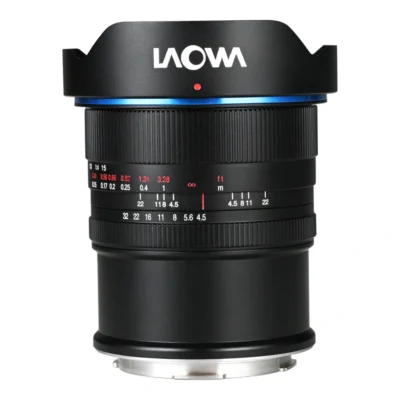
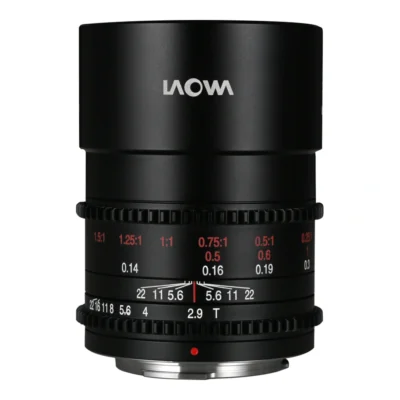
Laowa makes two kinds of macro lens that are unlike anything else. Wide-angle macros have a short focal length but still focus to 1:1 or 1:2. The insect is large, yet you also see the flower, the meadow and the sky behind it. The pictures get context, and the front of the lens ends up very close to the subject.
At the other end are lenses that work only between 2.5x and 5x. They do not focus to infinity and act almost like a simple microscope for your camera. They need a tripod and light, and suit someone who already has a regular macro and wants to go further.
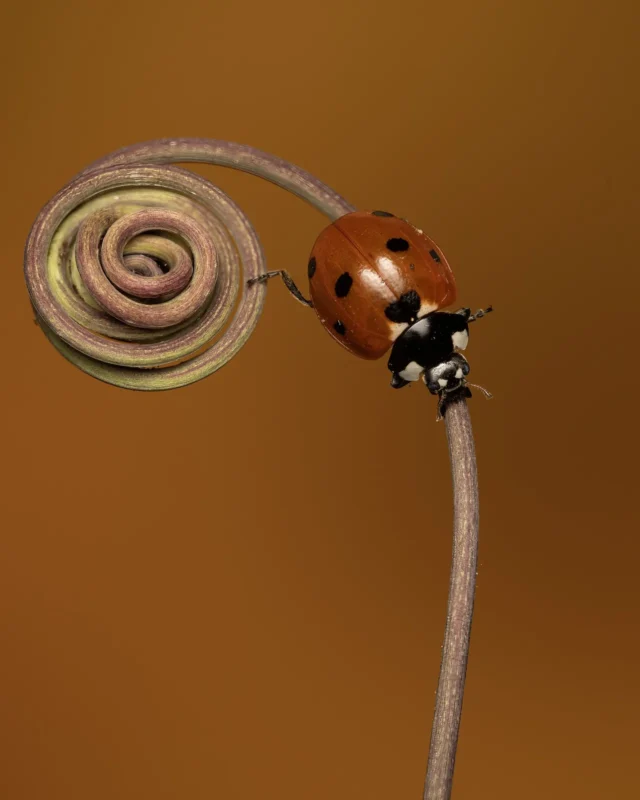
Choosing a macro lens
Laowa macro lenses come for the common mirrorless mounts, among them Sony E, Canon RF, Nikon Z and L-mount, and several for Fujifilm X and Micro Four Thirds. For a Sony macro lens, pick the E-mount version and check whether it is made for full frame or APS-C.
Most are manual focus. That is normal in macro, where autofocus tends to hunt at such short distances. Some versions do have autofocus for those who want to use the lens for other things too. A few variants have an automatic aperture, so you compose wide open and the camera stops down for the exposure.
APO in the name means the lens is corrected for colour errors, so you avoid purple and green fringes around sharp details. It shows clearly at high magnification.
A 90 to 100 mm macro also works for portraits and detail shots. If it is your first macro lens, that focal length is the safest choice. If you only want to try macro, close-up filters screw onto a lens you already own.
Frequently asked questions about macro lenses
What is a macro lens?
A macro lens focuses close enough to show the subject at least life size on the sensor, a ratio of 1:1. It is used for insects, flowers, jewellery and product shots. Many macro lenses also work as normal lenses at longer distances.
What do 1:1 and 2:1 mean on a macro lens?
They give the magnification. At 1:1 a subject one centimetre long is also one centimetre on the sensor. At 2:1 it becomes two centimetres, twice the size.
Which focal length is best for macro?
90 to 100 mm is the most common choice, as it gives a good distance to insects and works for other subjects too. Shorter macros around 50 to 65 mm suit subjects that keep still. 180 mm gives the most working distance but needs a tripod.
Are there macro lenses for Sony?
Yes, several of our Laowa macro lenses come in Sony E-mount. Check whether the lens is made for full frame or APS-C so it suits your camera.
Do you need a tripod for macro photography?
For still subjects a tripod gives the sharpest results, and you need one for focus stacking. Moving insects are often shot handheld with flash, which freezes both the subject and your own shake.