
















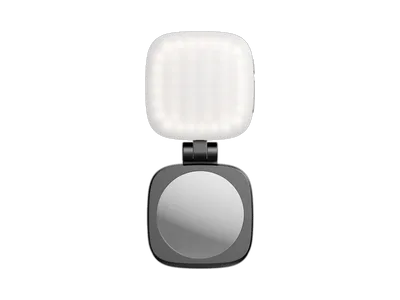
A tripod is needed when the camera has to stand completely still: for slow shutter speeds, in low light or when you film. Photo tripods more often have a ball head that locks at any angle, while video tripods have a head that pans smoothly. Compare the maximum load of the tripod with the weight of camera and lens together, and see which quick release plate the head takes.
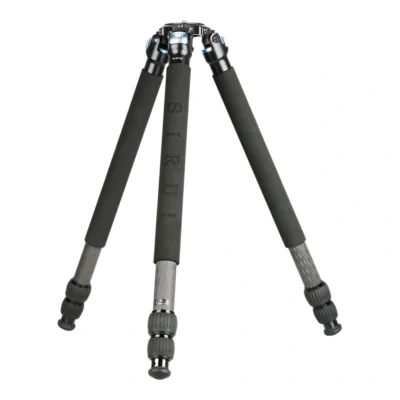

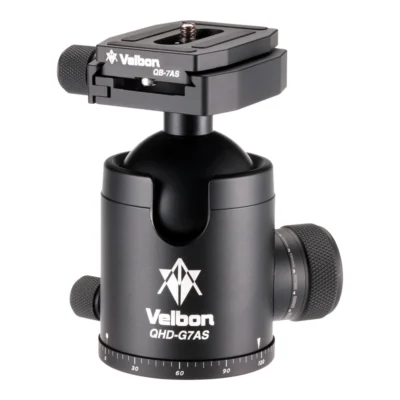
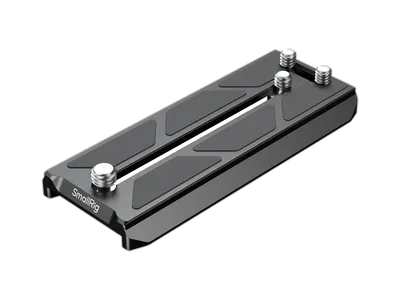

Most people buy a good tripod once or twice in their lives. Camera bodies come and go, while a set of legs often stays in use for ten years or more. That makes it worth thinking about what you will use it for before you choose, and understanding how the parts work together: the legs, the head on top and the plate under the camera.
Tripod types and what they are for
Nearly every camera tripod belongs to one of four groups. The differences are mostly in the head and in how the legs are built.
| Type | Stands on its own | Typical head | Mostly used for |
|---|---|---|---|
| Photo tripod | Yes | Ball head | Landscape, long exposures, travel, macro |
| Video tripod | Yes | Fluid video head | Film, interviews, pans, birdwatching |
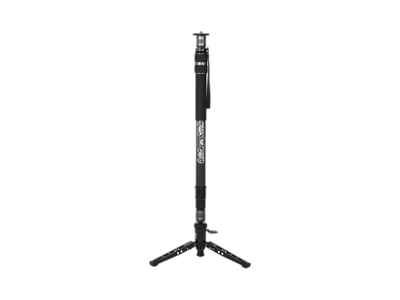
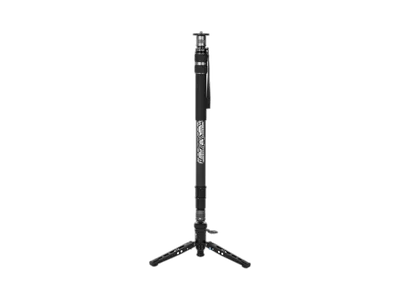
| Monopod | No, you hold it | Tilt head or none | Sport, wildlife, events |
| Mini tripod | Yes, on a table or the ground | Small ball head or phone holder | Phone, vlogging, travel with a light camera |
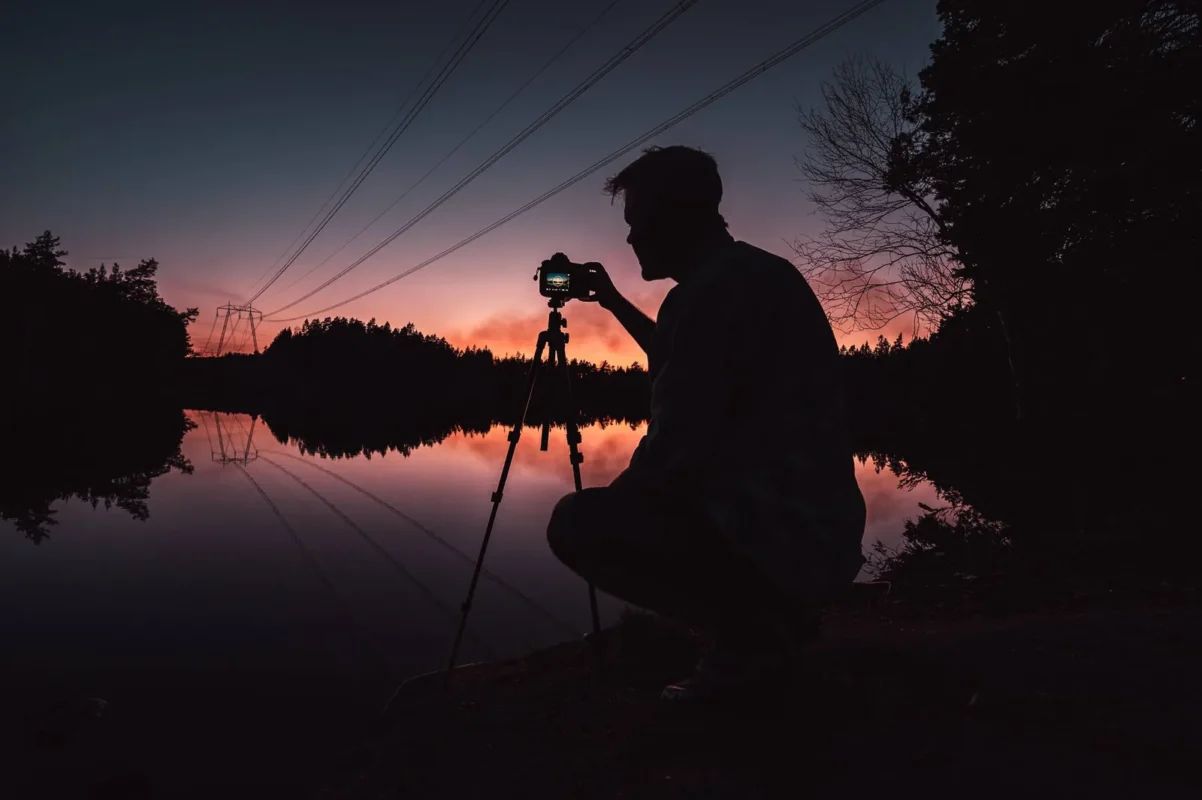
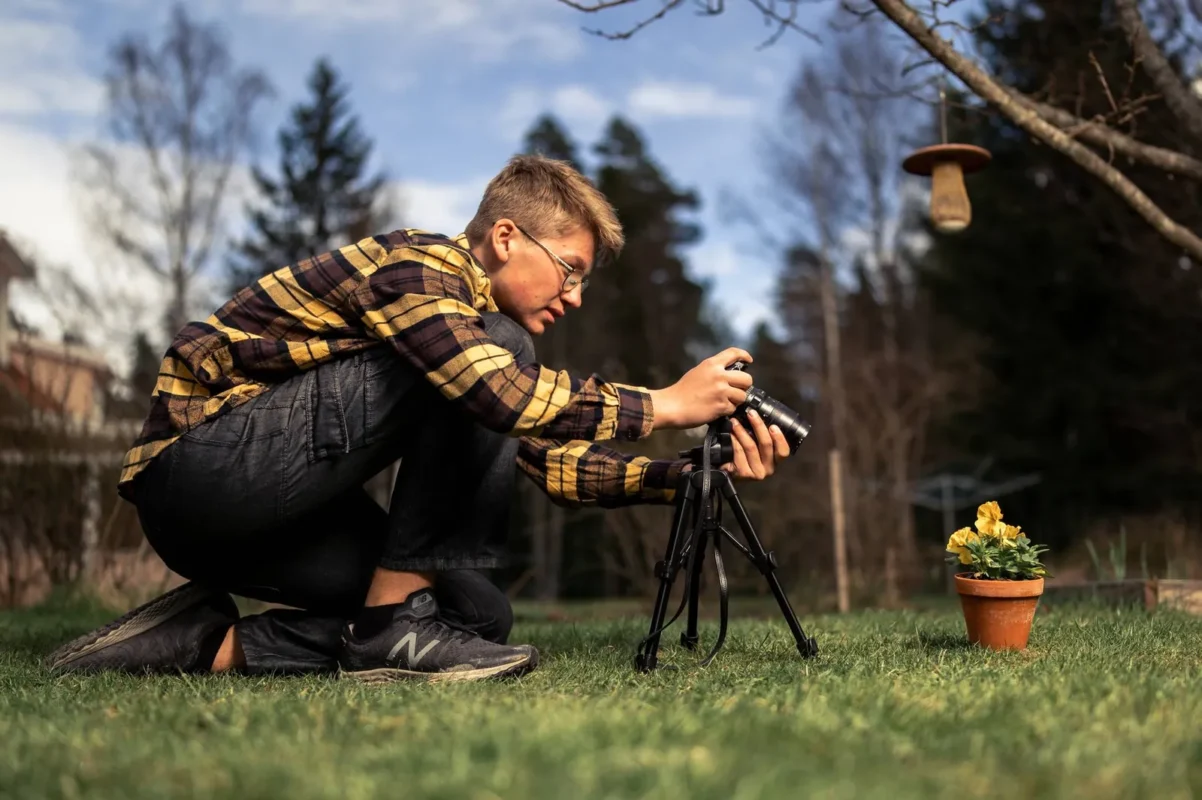
A photo tripod is built to hold the camera dead still in a locked position. It should be light enough to carry and short enough to pack, and many can spread low for macro or shots close to the ground.
A video tripod is built to move smoothly instead. The legs are often sturdier, with a spreader that keeps them in place, and the head sits in a bowl so you can level it in seconds.
A monopod is a single leg. It does not stand by itself, but it carries the weight of a heavy lens and moves with you instantly. Mini tripods and phone mounts are the small class: tabletop tripods, vlogging stands and holders that put a phone on a regular tripod.
What sits on top of the legs
The legs are only half the tripod. What sits on top decides how you work.
The tripod head controls how the camera moves. Ball heads, video heads, gimbal heads for long telephoto lenses and panoramic heads are the common ones. Many tripods come as a kit with a head, but you can also buy the legs alone and pick the head you need.
The quick release plate stays under the camera and clicks into the head. Arca-Swiss is the standard most makers follow, and Sirui and SmallRig use it. Velbon also has its own plates for its heads. An L-bracket is a plate with an extra side, so the camera can be turned to portrait and still sit straight above the tripod.
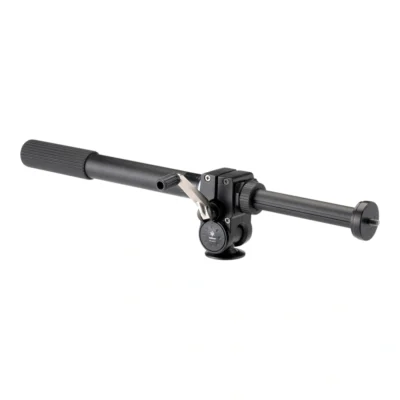
Then there are the parts that rebuild a tripod: shorter or longer centre columns, horizontal arms, spiked feet, clamps and articulating arms that fix the camera to a desk or railing. They are worth knowing about before you buy a new tripod, because sometimes swapping one part is enough.
Tall tripod or compact
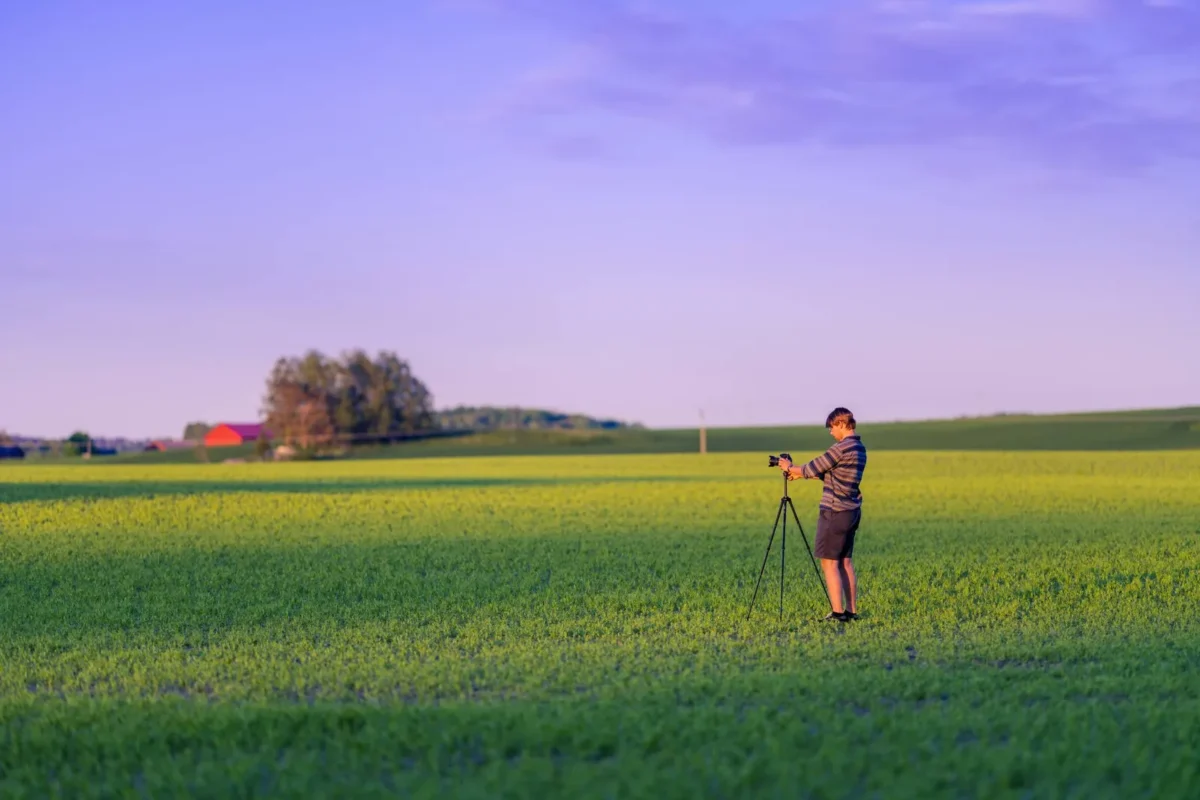
A tall camera tripod is a common wish, and a sensible one. A tripod that reaches eye level without the centre column raised is nicer to work with and steadier. Look at two figures: maximum height and maximum leg height. The first includes the extended centre column, the second is the height with the legs alone. The gap is often between 15 and 35 cm.
If you are 180 cm tall, your eyes are at roughly 165 to 170 cm. Head and camera add about 15 cm on top of the legs, so a leg height around 150 cm goes a long way.
Tall and compact pull in opposite directions. More leg sections give a shorter packed length, but each extra section means one more lock and a thinner bottom leg. A travel tripod with five sections can get short enough for a backpack. A three-section tripod is quicker to set up and usually stiffer.
Load capacity and material
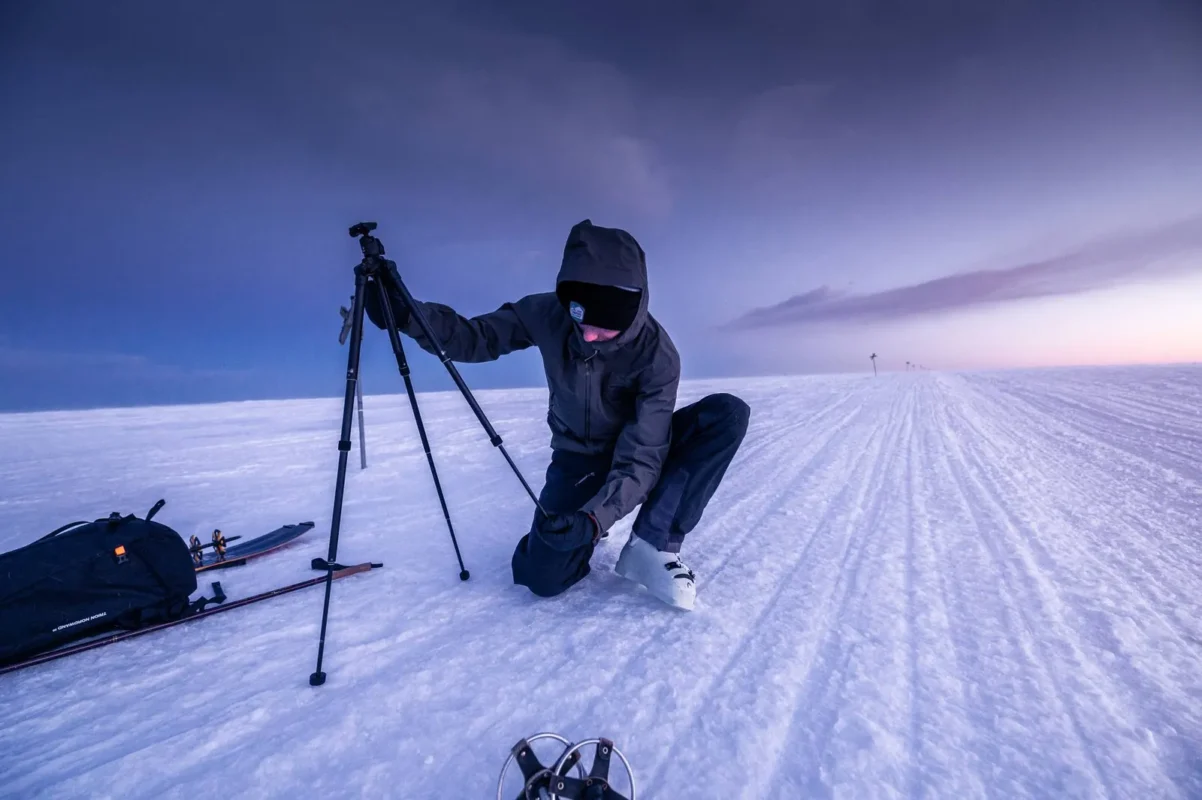
The load capacity in the spec sheet is what the tripod can carry. It tells you less about how still the camera will be. Weigh the camera, your heaviest lens and whatever else you mount, and choose a tripod with a good margin. A rule of thumb many follow is a load capacity at least twice what the gear weighs.
Leg diameter often says more than load capacity. Thicker legs sway less in the wind, especially at the bottom where they are thinnest.
Carbon fibre and aluminium are the two materials you will meet. Carbon weighs less and damps vibration better, aluminium costs less and takes a knock against a rock. Both work. The weight matters most to the person carrying it a long way.
Tripods for different kinds of photography
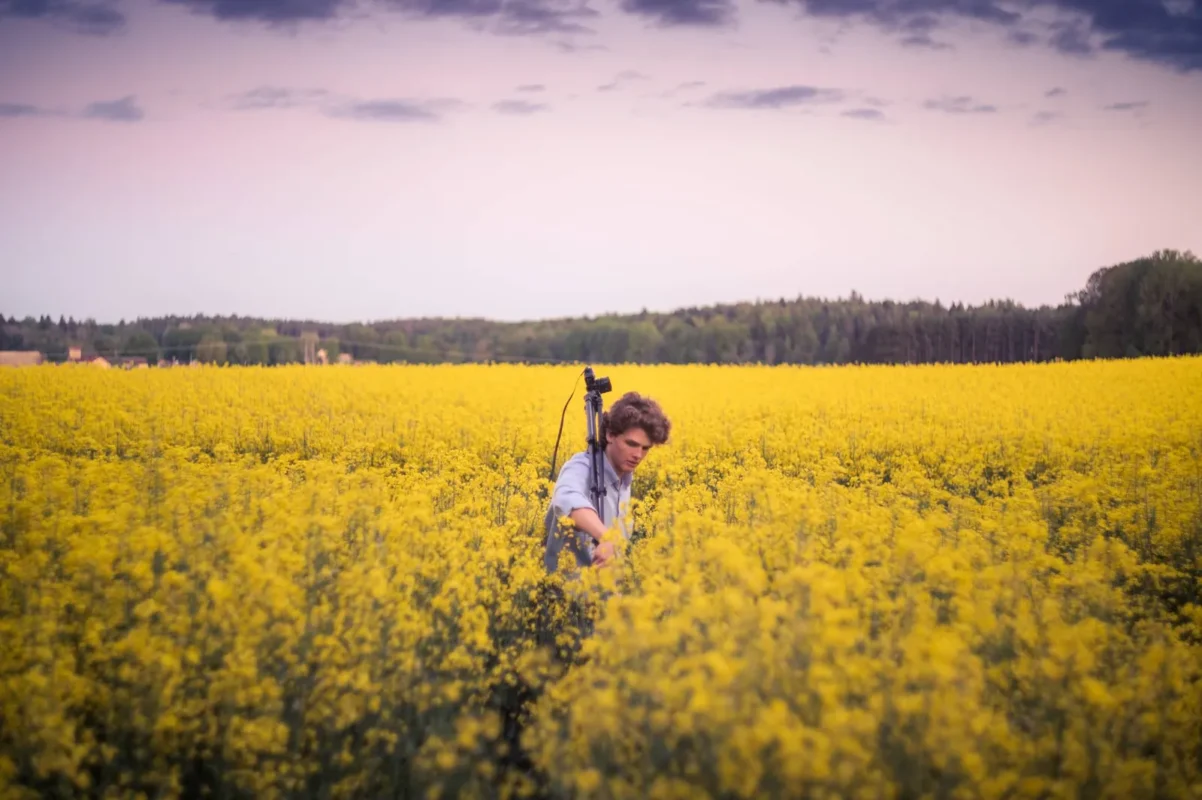
Start from what you do most often, not from what you might do one day.
- Landscape and night: a stable photo tripod with a ball head, ideally with leg height close to eye level.
- Travel and hiking: a carbon travel tripod with a short packed length.
- Film and interviews: a video tripod with a video head. A ball head pans in jerks.
- Birds and wildlife with long lenses: heavy legs and a gimbal head or video head.
- Sport and events: a monopod, because you have to move quickly.
- Home studio, webcam and product shots: a tabletop tripod, a desk arm or a tripod with a lateral centre column for top-down shots.
- Phone: a mini tripod or a phone holder that fits a regular tripod.
If you already own a tripod and want to do something new with it, a different head or an accessory is often cheaper than buying again.
Care and common mistakes
The most common mistake is raising the centre column first. It is the weakest point of the tripod. Extend the thickest leg sections first and the thinnest last, and only use the column when the height is not enough.
Another is assuming everything is tight. Check that the plate is locked in the head before you let go of the camera. The screws holding the head to the legs can work loose over time, so tighten them now and then with the hex key that usually comes with it.
Do not carry the tripod over your shoulder with the camera mounted. One knock against a door frame can be enough for the plate to let go.
After rain, sand or salt water, extend the legs and let them dry before folding them. Otherwise the locks start to stick. Store the tripod dry, with the locks open if it will stand for a long time.
Frequently asked questions about tripods
Which camera tripod should I choose?
Start from what you shoot most. A photo tripod with a ball head suits landscape and long exposures, a video tripod with a video head suits film. Then weigh the camera and your heaviest lens and choose a tripod with a clear margin in load capacity.
How tall should a tripod be?
Ideally tall enough to put the camera at eye level without raising the centre column. For someone around 180 cm that means a leg height of about 150 cm. Check both maximum height and maximum leg height in the specs.
What is the difference between a photo tripod and a video tripod?
A photo tripod usually has a ball head that locks the camera in one position, and it is built to be light. A video tripod has a damped head that moves smoothly side to side and up and down, and the head often sits in a bowl that makes levelling easy.
What does load capacity mean on a tripod?
Load capacity is the weight the tripod or head is built to carry. It does not tell you how still the camera will be at that weight. Add up camera, lens and accessories and choose a tripod rated for at least twice that.
Can I use the same tripod for a phone and a camera?
Yes, with a phone holder that screws onto the tripod thread or fits the quick release plate. Most holders take the standard 1/4 inch thread found under cameras.