
















A video tripod has a damped head that makes pans and tilts smooth, and often a bowl that lets you level the head without adjusting the legs. The size of the bowl decides which head fits, and a larger bowl goes with heavier cameras. Compare the maximum load with the whole rig, including lens and accessories. Carbon fibre weighs less in your luggage than aluminium.
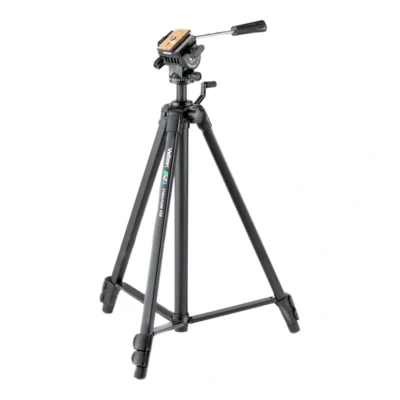
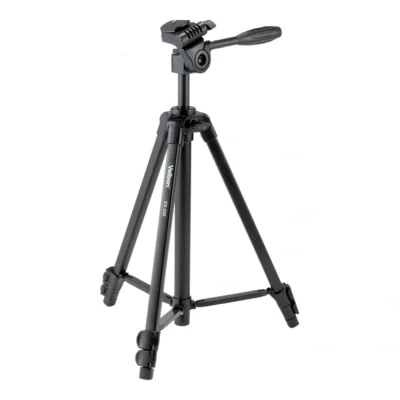



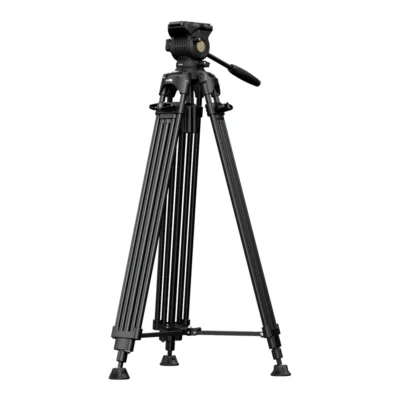
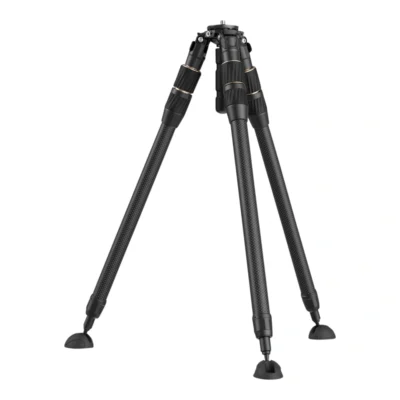
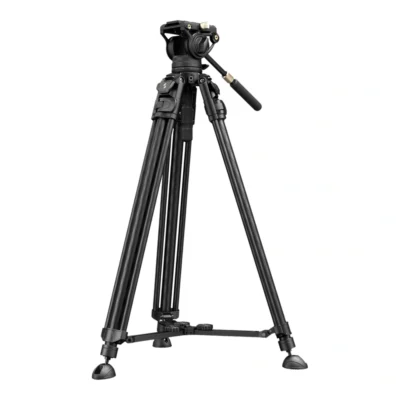
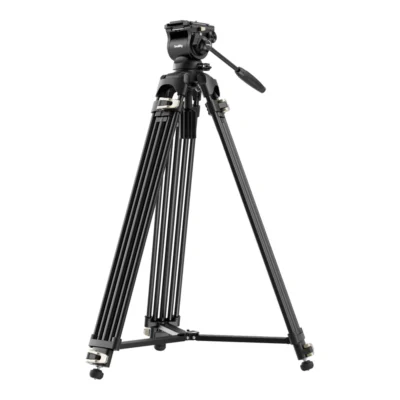
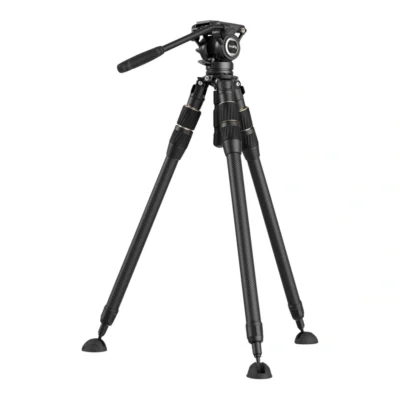
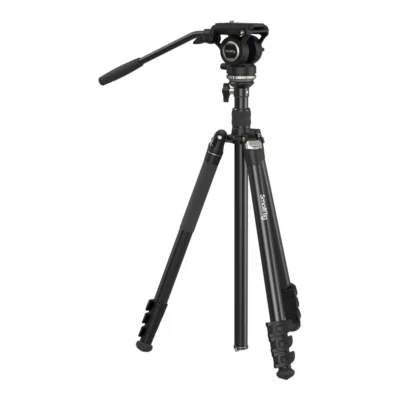

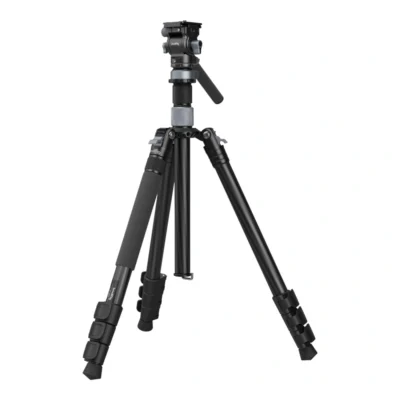


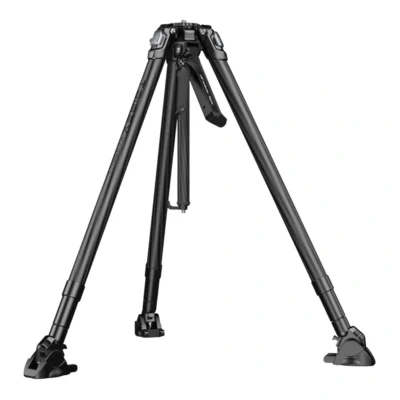


A video tripod has to do something a photo tripod never does: move. A pan across a landscape or a slow tilt up a building has to run evenly from the first frame to the last, and the tripod must not rock when you let go of the handle. That takes different legs and a different head.
What makes a tripod a video tripod
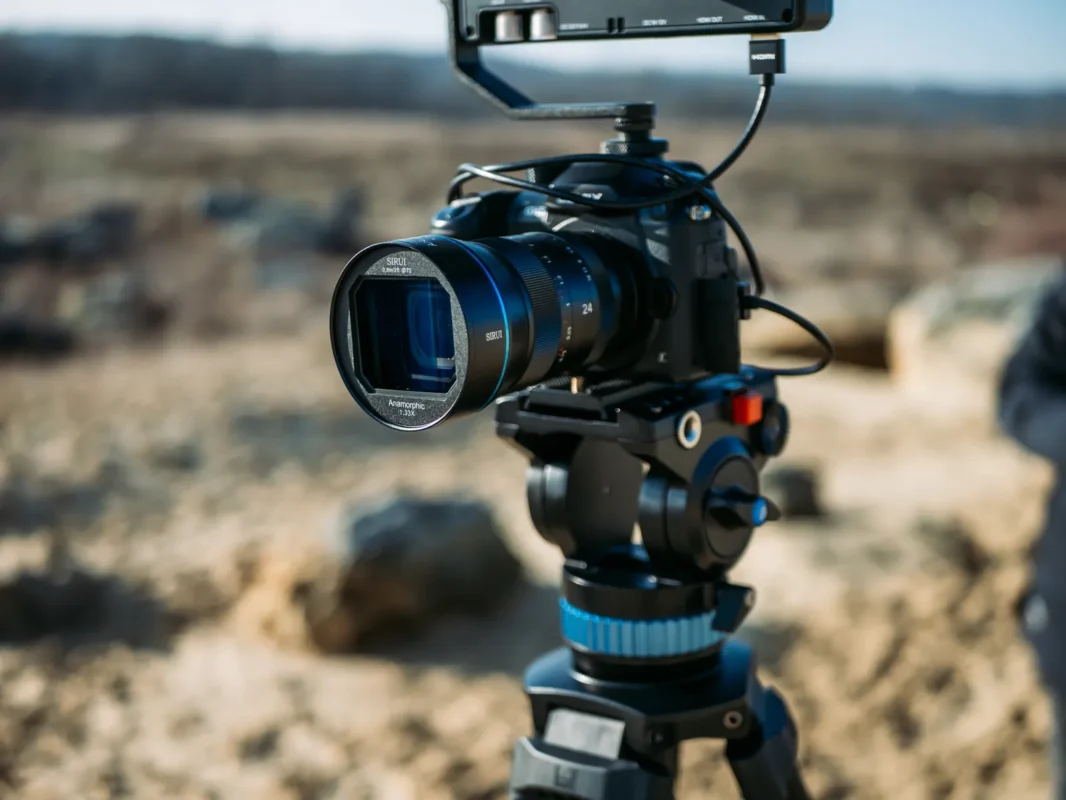
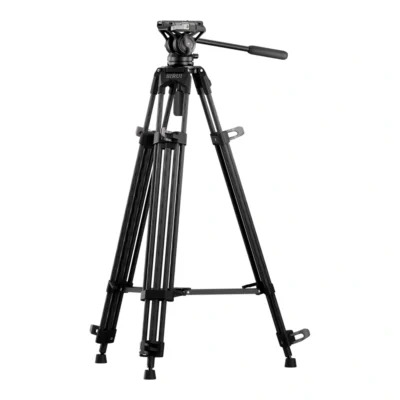
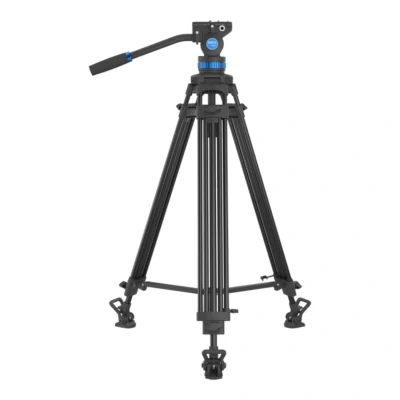
The head is the obvious difference. A video head has a long pan handle and built-in damping, so the movement is braked softly instead of stuttering. Better heads also have counterbalance, a spring that holds the camera in place when you tilt, so it does not fall forward if you let go.
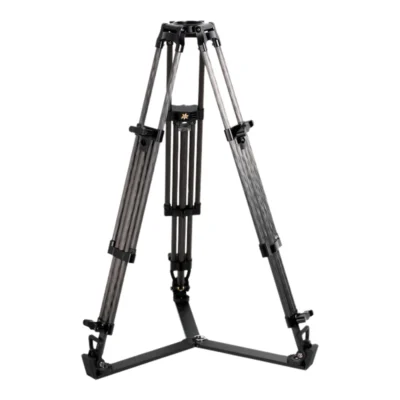
The legs are usually sturdier than on a photo tripod of the same size. Many have twin tubes per leg, and almost every heavier video tripod has a spreader that locks the legs to each other. That stops the tripod twisting when you pull on the handle.
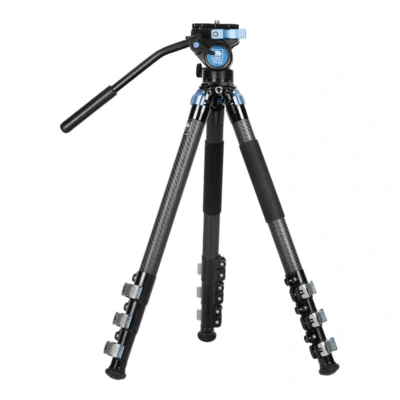
Lighter video tripods look like photo tripods with a video head on top. For phones, small cameras and vlogging they do the job well.
Bowl or flat mount
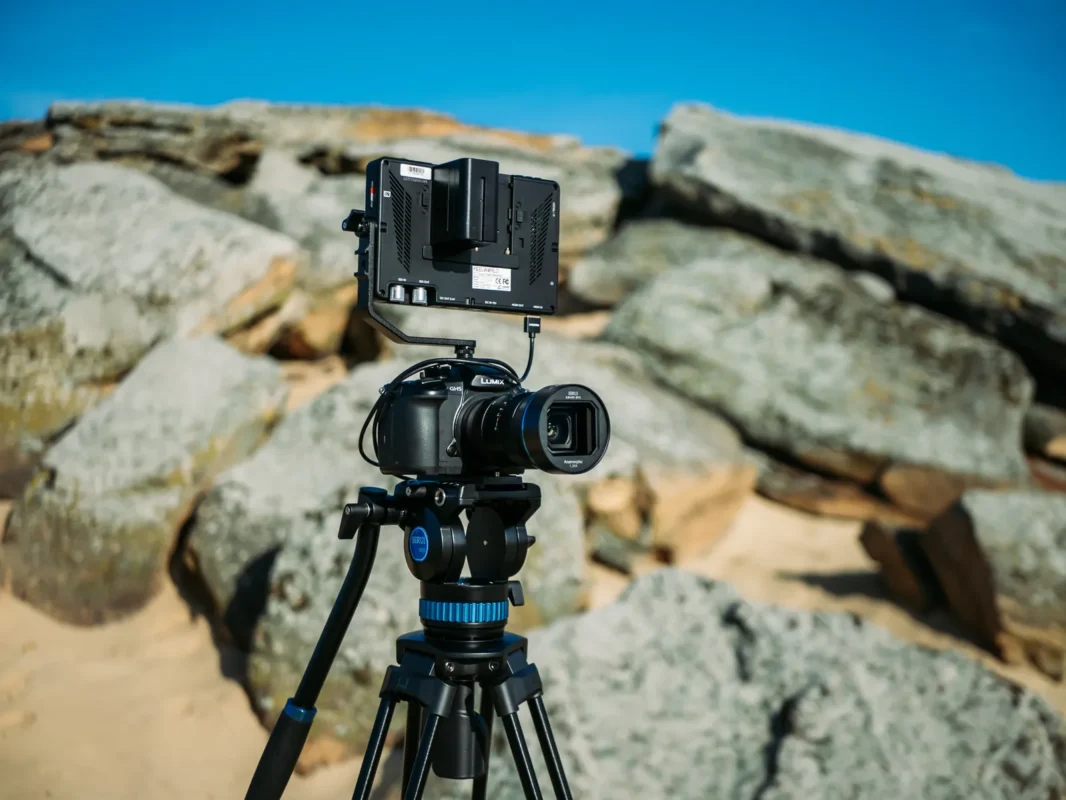
A pan shows at once if the head is tilted. The horizon slides diagonally through the frame. That is why most proper video tripods have a bowl at the top, with the head sitting on a half ball. You loosen a handle under the bowl, rock the head until the bubble is centred and lock it. It takes a few seconds and the legs stay as they are.
Bowls come in three common sizes:
- 60 mm for light cameras and compact heads.
- 75 mm, the most common size for mirrorless cameras and smaller cinema cameras.
- 100 mm for heavy cinema cameras and large rigs.
The half ball on the head has to match the bowl. Adapter bowls can make a larger bowl smaller, never the other way round. Tripods with a flat 3/8 inch mount work for video too. Then you either level the legs by hand or put a levelling base under the head.
Legs and spreaders
The spreader sits either down at the ground or halfway up the legs. A ground spreader lets the legs go wide and makes a stable tripod on a flat floor. A mid-level spreader copes better with uneven terrain because nothing is in the way at ground level. Some tripods have no spreader but can take one later.
Height is traditionally set with two or three locks per leg. It takes time, and this is where newer tripods differ. Sirui has tripods with the Rapid System, where all legs are released with one grip and the height is set in one step. SmallRig has tripods with hydraulic height adjustment. If you move often between takes, that saves a lot of time.
Think about working height. If you film standing, the camera screen or viewfinder should reach eye level on the legs alone, since video tripods often have no centre column.
Tripod kit or legs and head separately
Video tripods are usually bought as kits. The legs and head are matched and the bowl fits the head. For most people that is the right buy.
Buy them separately if you already own one part, or if you know the rig will grow. Keep in mind that a video head has a weight range. The counterbalance is set for a certain weight, and a camera that is too light for a big head can be as hard to balance as one that is too heavy. That is why some heads list both a minimum and a maximum load.
The plate on a video head is often longer than on a photo head, so you can slide the camera back and forth until it balances. Two plate types are common: Arca-Swiss and a larger Manfrotto-type video plate, which many video heads use. Check which one your head takes before buying spare plates.
Light video tripods for vlogging and birdwatching
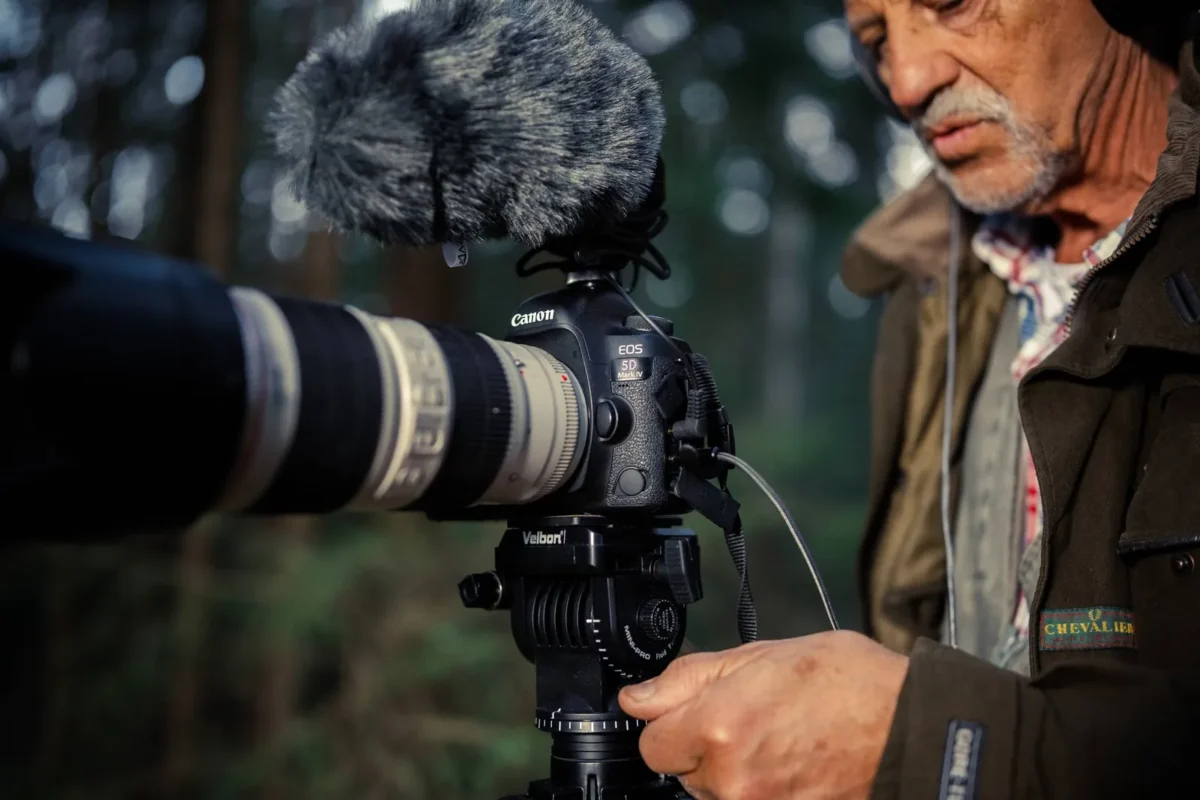
Not everyone needs a heavy film tripod. For a phone, a small camcorder or a mirrorless camera with a kit lens, a light video tripod with a simple head is enough. Velbon makes some with a phone holder, and both Sirui and SmallRig have travel tripods with a video head for filming on the road without hauling extra weight.
Birdwatchers use video tripods for the same reason filmmakers do. A damped head lets the spotting scope or camera follow a bird in flight in one even movement. A ball head works less well, because it is either locked or completely loose.
Dollies and wheels
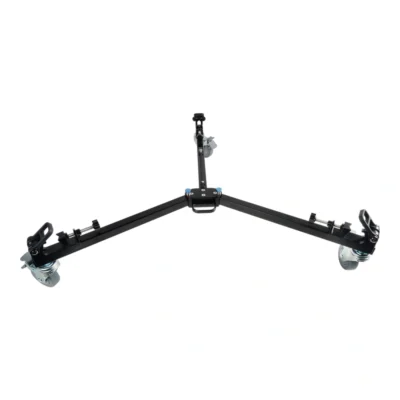
A dolly is a wheeled frame that the tripod legs stand in. It lets you roll the camera across a flat floor during a take, or simply move the tripod around the studio without lifting it. The wheels should lock, or the rig will roll away when you pan. On uneven ground, grass and gravel a dolly works poorly. There it is better to move the tripod between takes.
Common mistakes when filming on a tripod
The most common is panning too fast. The picture judders even on a good tripod, and it shows most at 24 or 25 frames per second. Start slowly, keep the speed even and let the move stop softly.
Set the drag to suit the move. Heavy drag for slow pans, lighter for following a subject. Never pan with the lock half tightened. It puts jerks in the shot.
Check the level in the bowl every time you move the tripod. And do not release the plate lock until your hand is on the camera.
Frequently asked questions about video tripods
What is the difference between a video tripod and a regular tripod?
A video tripod has a damped head with a pan handle that makes moves smooth. The legs are often sturdier with a spreader, and the head sits in a bowl so it can be levelled quickly. A regular photo tripod is built to stand still, not to move.
Which bowl size do I need, 75 or 100 mm?
75 mm is enough for mirrorless cameras and most smaller cinema cameras. 100 mm is for heavy cinema cameras and large rigs. The head and bowl must match, or you use an adapter bowl.
Can you film with a photo tripod?
Yes, if the camera stays still during the take. For pans and tilts you need a video head. One can often be fitted to a photo tripod with a standard 3/8 inch screw.
Which video tripod suits a camcorder or a phone?
A light video tripod with a simple video head. Some models come with a phone holder included. Check that the height is enough for filming standing up.
Does a video tripod need a spreader?
For heavier cameras and long pans, yes. The spreader locks the legs together so the tripod does not twist when you pull the handle. Light tripods for vlogging and phones do fine without.