
















Always start with a blower, so dust and sand are not rubbed into the surface. Grease and fingerprints are then removed with spray and a microfibre cloth or with wet wipes made for optics. Ordinary household products can damage the anti-reflective coating, so use products made for lenses.


What a cleaning kit should contain
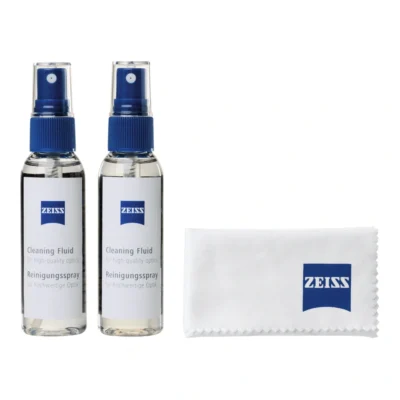
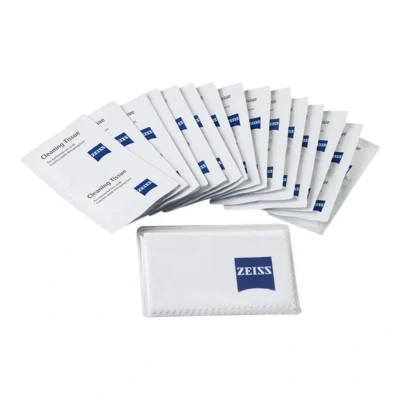
A good camera kit does not have to be big. It needs to do two things: remove loose dust without touching the glass, and dissolve grease and fingerprints without leaving streaks. The Zeiss kit holds a blower, a brush, cleaning fluid, a microfibre cloth and moist wipes, which covers most needs. If you buy the parts separately, the same basic set applies.
| Blower | Brush | Spray and cloth | Wet wipes | |
|---|---|---|---|---|
| Removes | Loose dust and sand | Dust stuck in edges and mounts | Grease, fingerprints, salt spray | Grease and fingerprints |
| Touches the glass | No | Lightly | Yes | Yes |
| Best for | Home and in the bag, also on the sensor | Around the front element and on the body | Thorough cleaning at home | Out in the field, one wipe at a time |
The wipes are what we keep in our own jacket pockets. They are packed one by one, so there is no old grit in them from last time.
Cleaning a lens step by step
- Hold the lens front down and blow away dust and sand with the blower. That way it falls off instead of settling back.
- Look at the glass in raking light. If only a few specks remain, you can stop here.
- Spray a small amount of cleaning fluid onto the microfibre cloth, or take a wet wipe.
- Wipe with light pressure in circles from the centre out towards the edge.
- Finish with a dry part of the cloth to remove any streaks.
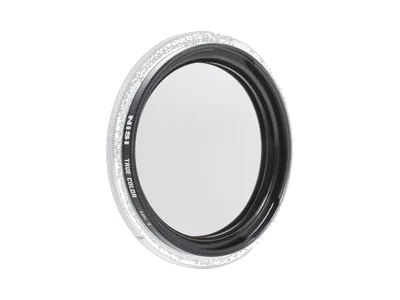
The same method works for filters, viewfinder eyepieces and binocular glass. The rear element sits closer to the sensor and shows more in the image when dirty, so take extra care there and put the rear cap on straight afterwards.
A little dust on the front element rarely shows in pictures. Better to leave a few specks than to wipe the glass every day, since each wipe carries a small risk of scratches if something hard gets dragged along.
Sensor cleaning
Dust on the sensor shows as dark, blurry spots in the same place in every frame, clearest at small apertures against a bright sky. A simple test is to photograph a white wall or the sky at f/16 and look at the image at full size.
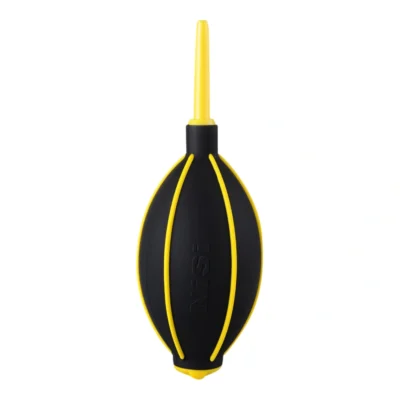
Start with the camera's built-in sensor cleaning, which shakes off loose dust. If that does not help, the next step is a blower. Remove the lens, hold the camera with the mount facing down and give a few firm puffs towards the sensor without the tip touching anything. NiSi's blower is made for exactly that and gives a strong airflow.
Never use canned air. The propellant can come out as liquid and leave marks that are hard to remove. If spots remain after the blower, they are grease or pollen that has stuck, and a sensor clean at a camera service workshop is the safest option.
Viewfinder, screen and camera body
The screen and viewfinder collect the most fingerprints and skin oil. A dry microfibre cloth is often enough on the screen, and a wipe deals with anything stubborn. On the body a slightly damp cloth works, and the brush clears dust from dials and around buttons.
Never spray fluid straight onto the camera body or into the mount. It can run into gaps where it should not be. Put the fluid on the cloth.
Looking after the cloth, and common mistakes
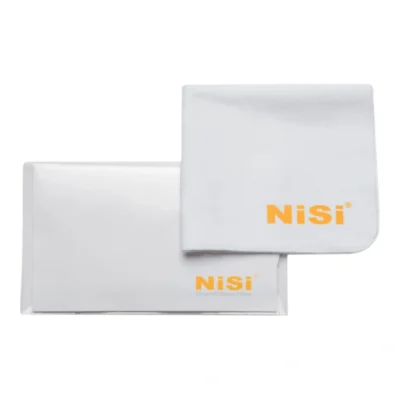
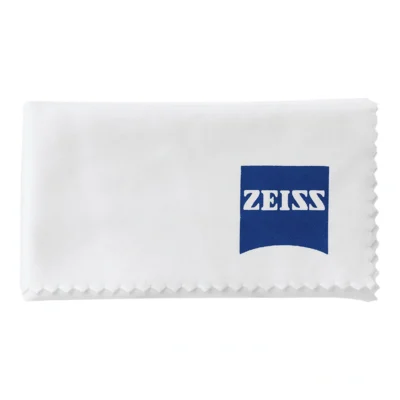
A microfibre cloth lasts a long time if cared for. Machine wash it without fabric softener, which coats the fibres, and keep it in the pouch it came in so it does not collect dust in the bag. The large 30 x 40 cm Zeiss cloth is good at home, and NiSi's smaller 15 x 18 cm cloth is easy to carry.
The mistakes we see most often:
- Wiping with a T-shirt or a paper tissue. Fabric picks up grit, and paper has fibres that can scratch the coating.
- Breathing on the glass and rubbing. It works in a pinch but does not remove grease, it just moves it around.
- Pressing hard. Light pressure is enough, and a hard press pushes whatever sits in the cloth into the coating.
- Wiping before the sand has been blown off, the surest way to get scratches on a beach.
Frequently asked questions about cleaning
How do I clean a camera lens?
First blow away dust and sand with a blower. Then wipe with a microfibre cloth and a little lens cleaning fluid, or an optical wet wipe, in circles from the centre outwards. Finish with a dry part of the cloth.
What should a camera cleaning kit contain?
A blower, a microfibre cloth and cleaning fluid or optical wipes are the basics. A brush helps with edges and dials. The Zeiss kit has all of these in one.
Can I clean the sensor myself?
You can remove loose dust yourself with the camera's sensor cleaning function and a blower, holding the camera facing down. Never use canned air. Spots that remain after that are best left to a camera workshop.
Can I use window cleaner on a lens?
No. Household products can damage the lens's anti-reflective coating. Use fluid or wipes made for optics.
How should a microfibre cloth be washed?
In the washing machine without fabric softener, since softener coats the fibres and leaves streaks on glass. Let it air dry and keep it in its pouch.