
















A camera bag has padded compartments that keep camera and lenses in place and protect them from knocks. A shoulder or sling bag is quick to work from, while a backpack spreads the weight better when the gear gets heavy. Compare the inner dimensions with your camera and lenses, and see whether you need room for a laptop or tablet. For a single camera, a case or half case is enough.
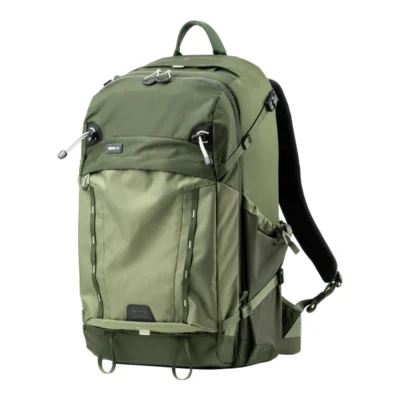
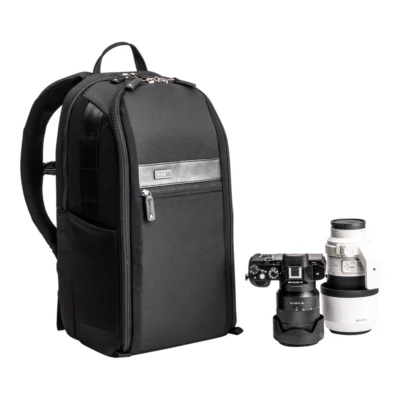


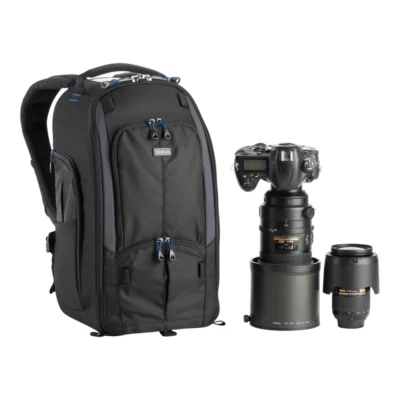
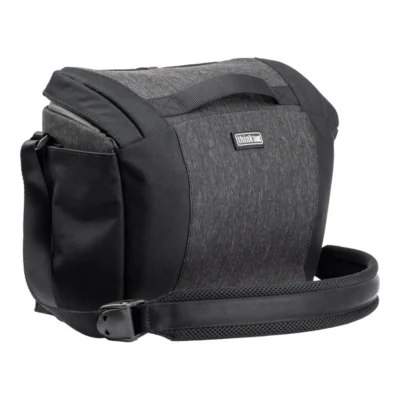
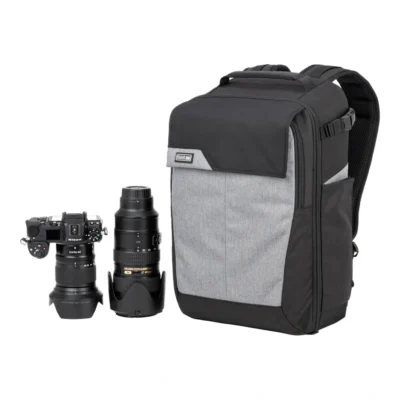
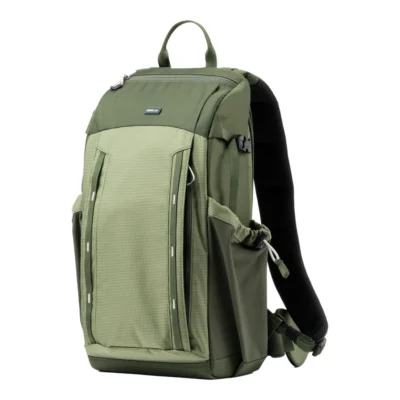
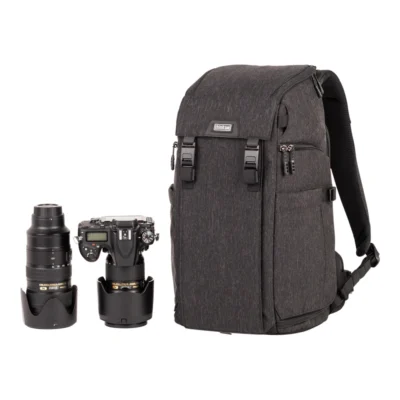
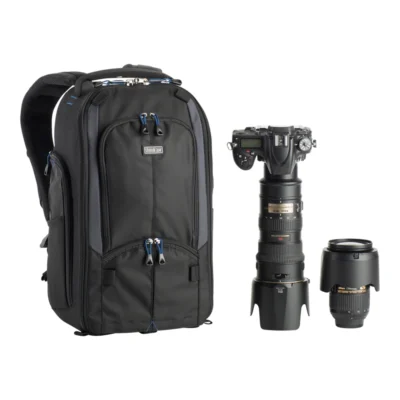
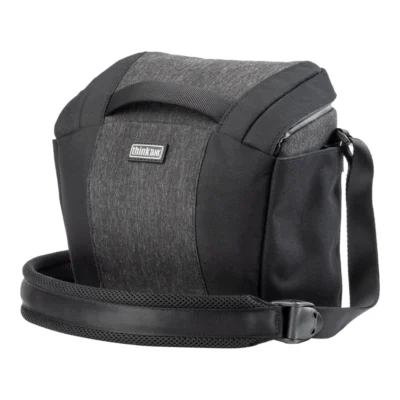
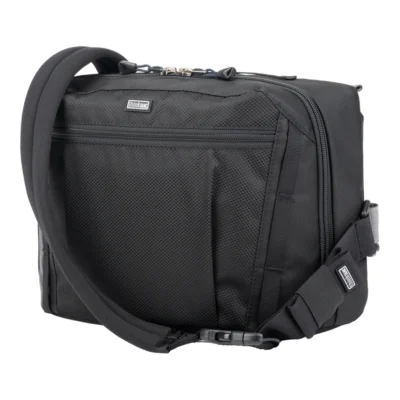
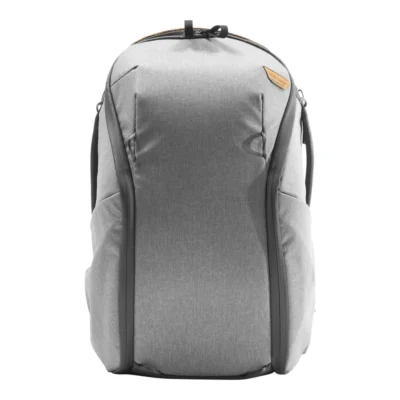
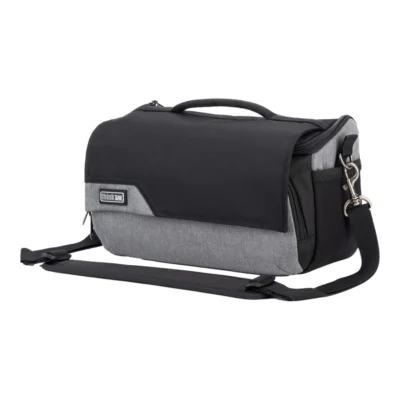

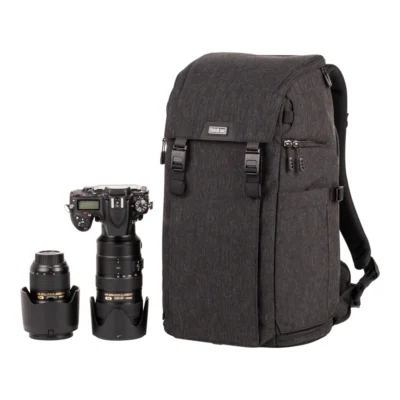

Bag types and how they differ
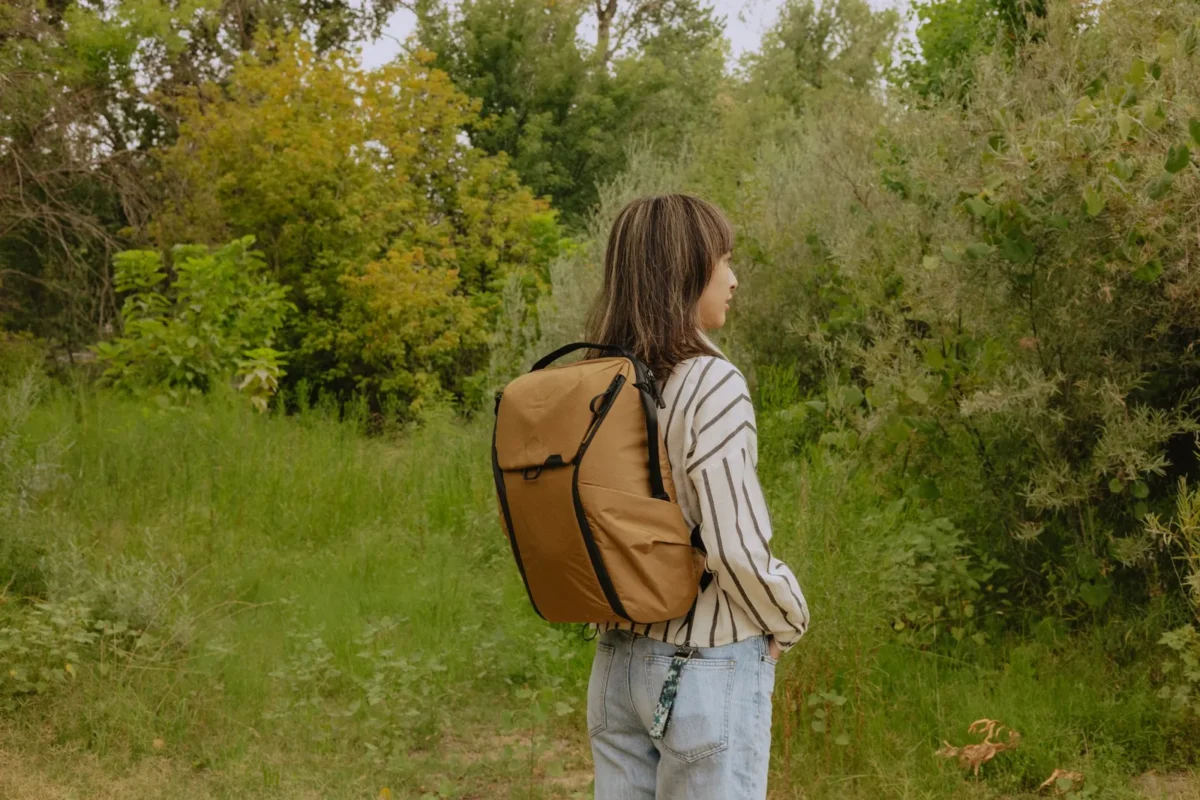
Camera bags are easiest to sort by how you carry them. That tells you more about daily use than the volume in litres.
| Type | Carried | Getting to the camera | Typical load | Best for |
|---|---|---|---|---|
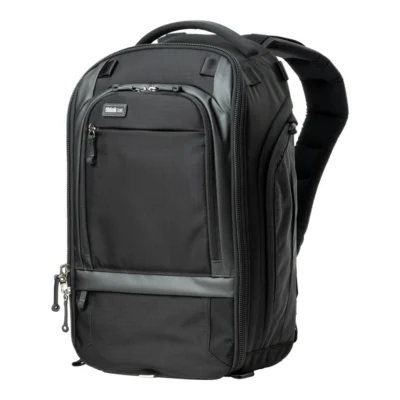
| Backpack | On both shoulders, often with a hip belt | Take it off, or swing it round if it opens from the back panel | One or two bodies, several lenses, often a laptop | Hiking, travel and long days out |
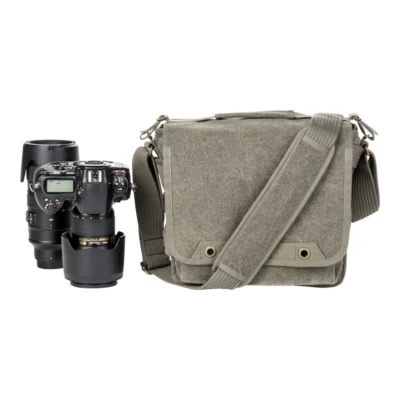
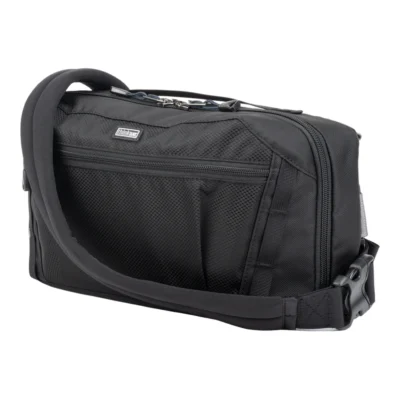
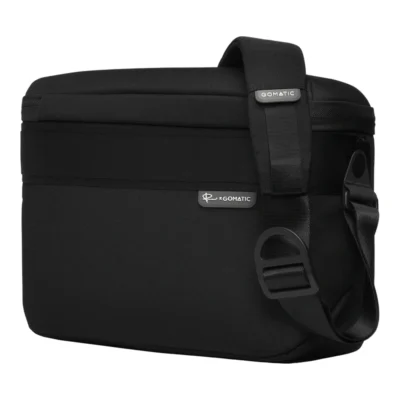
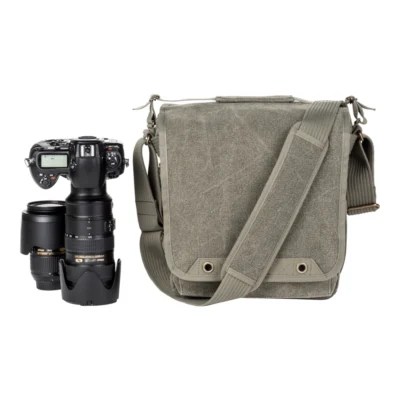
| Shoulder and crossbody bag | Over one shoulder or across the body | Without taking the bag off | One body and a few lenses | City, reportage and events |
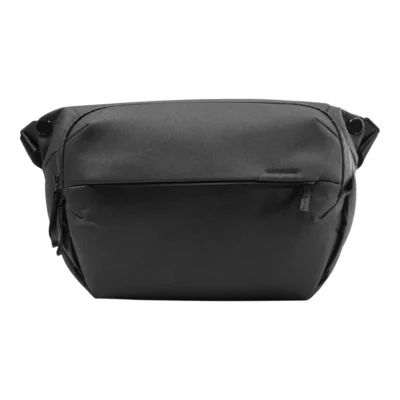
| Sling bag | Across the body, pulled round to the front | Without taking the bag off | One body with a lens and a few extras | Everyday use and walks |
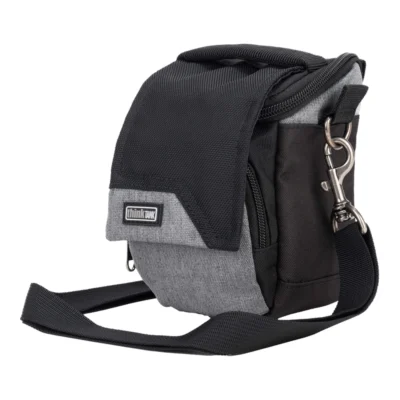
| Camera case and half case | On the camera itself, with a strap | The camera stays in the case | One camera | Compacts and small mirrorless cameras |
| Camera cube | Inside another bag | Open the outer bag first | Whatever the cube is sized for | Using your own backpack |
| Lens case and belt pouch | On a belt, a strap or in the bag | Straight away | One lens, filters or memory cards | Quick lens changes |
Then there are the small organisers: memory card wallets, battery holders, filter pouches and tech pouches for cables and chargers. They sound like extras. Anyone who has dug for an SD card at the bottom of a backpack knows otherwise.
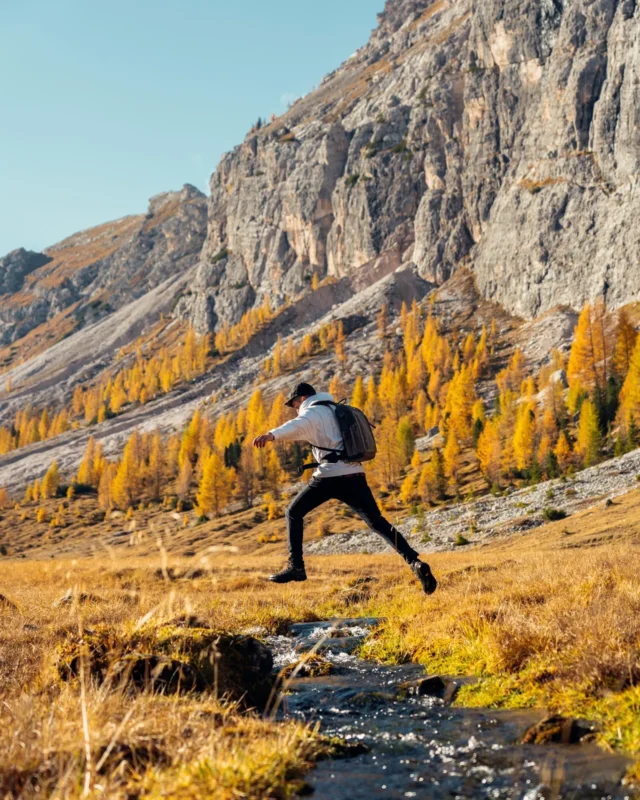
Camera backpacks for hiking
On the trail, weight and weather decide everything. A hiking camera backpack needs a hip belt that takes part of the load off your shoulders. Try it on with your gear inside, because almost any pack feels fine empty.
Access comes next. Many outdoor camera backpacks open from the back panel. You slip off the shoulder straps, keep the hip belt on and swing the bag round, and the side that rests against your back never touches the mud. Some packs go further with a rotating belt pack: the camera sits in its own section that turns round to your front while the backpack stays on.
Also look for:
- Straps or a holder for a tripod on the side or front.
- A rain cover. Water-repellent fabric handles a shower, but steady rain calls for a cover over the whole bag. Some packs include one, for others it is sold separately.
- Room for non-photo things such as a jacket, food and a water bottle.
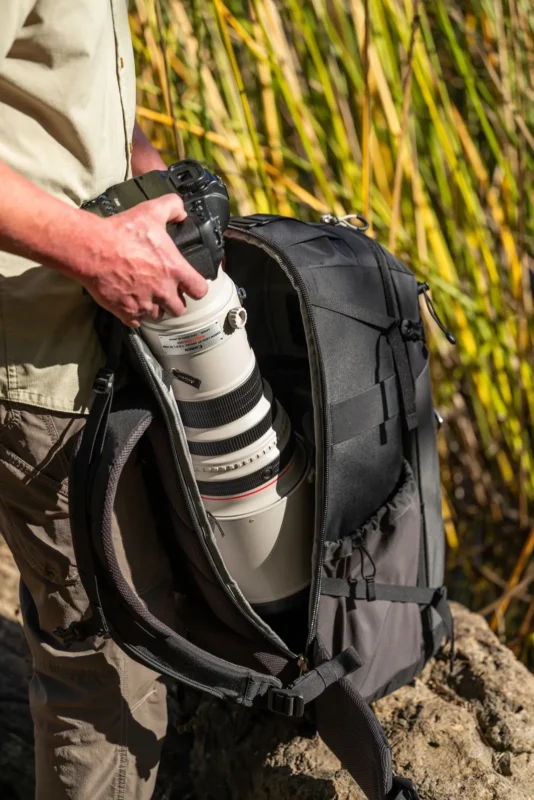
- A long telephoto lens needs a bag built for that length if it is to fit mounted on the camera.
If you walk far with a light kit, a regular hiking pack with a padded camera cube inside often works well. You can then pick the pack for fit first.
Camera bags for travel
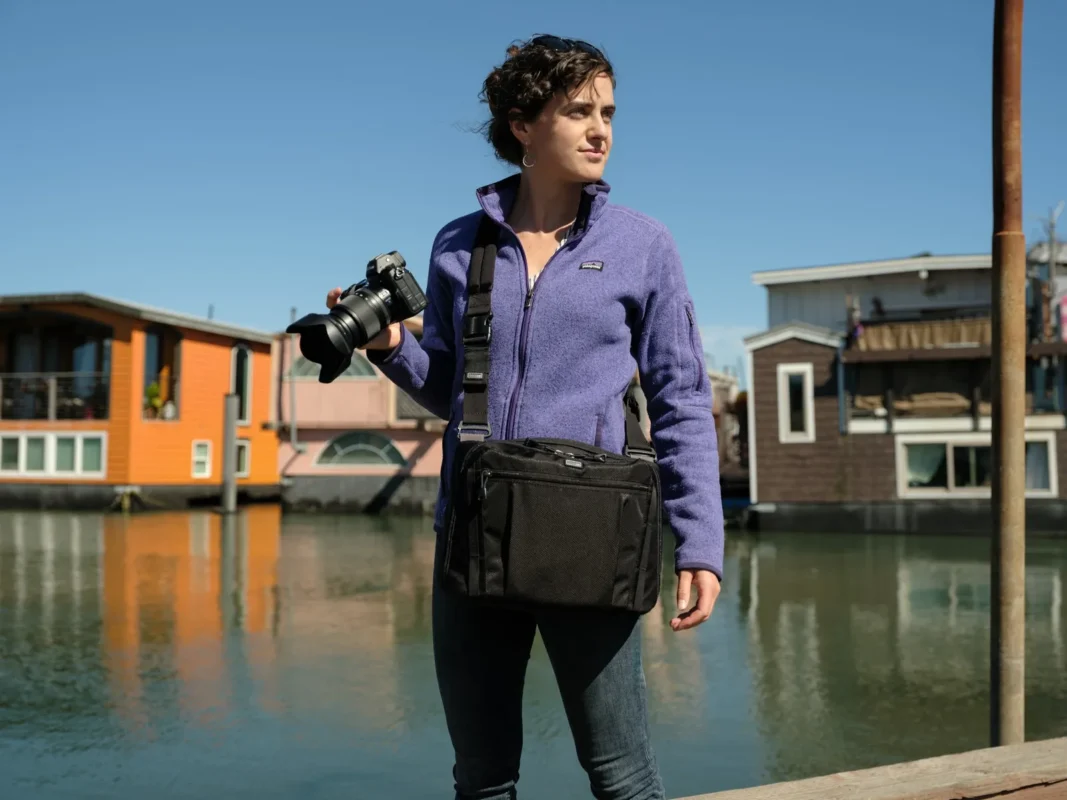
When travelling, one bag has to work on the plane and in the street. Cameras belong in hand luggage, partly so they are not thrown around and partly because spare lithium batteries generally may not go in checked baggage.
Some backpacks are built to common carry-on sizes. Airlines still set their own limits for size and weight, so check yours before buying a large photo backpack for a trip.
A separate laptop sleeve and a pocket for passport and chargers make security checks much easier. Many travel photographers pack a small shoulder bag or sling inside the backpack for the flight and carry it on its own once they arrive. We think that is the best setup. A big photo backpack gets heavy over a full day in a city, and it makes it obvious you are carrying expensive gear.
A low-key look is worth more than it sounds. Dark fabric without large logos draws less attention.
Everyday and city use
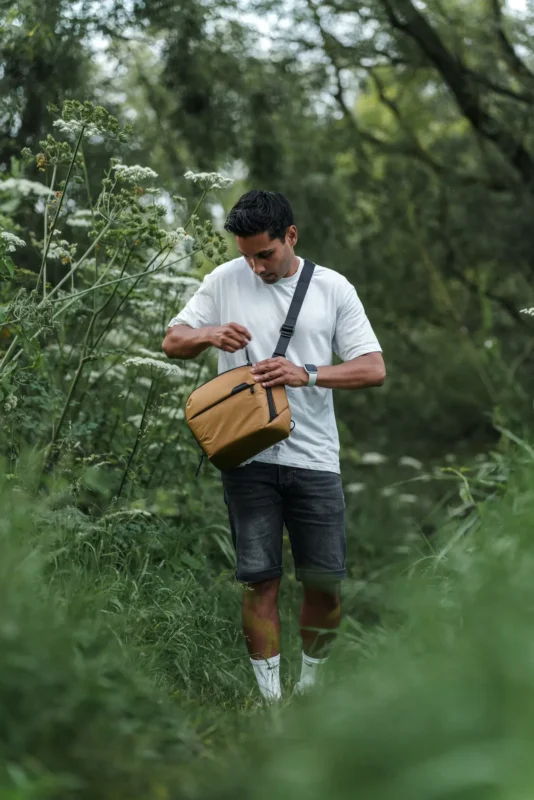
For daily use, simple wins. The camera should be out in seconds, and the bag should still make sense on days when it only holds a wallet and a phone. A sling or a small crossbody bag does that. Worn across the chest, it pulls round to the front and opens without being put down.
People looking for a camera shoulder bag often want exactly this: something that looks like an ordinary shoulder bag but has padded dividers inside. Pay attention to the strap. A wide strap that adjusts quickly matters more for comfort over a whole day than almost anything else.
For a small mirrorless or compact camera, a leather case may be all you need. A half case stays on while you shoot and protects against scratches. A full case covers the lens too. Leather cases are usually made for one specific camera model, so make sure it fits yours.
Choosing size by your gear
The litre figure tells you the total capacity, not how much camera gear fits. Two 20-litre backpacks can have very different sized camera sections.
Lay out what you actually take. Most people pack the camera with a lens attached, so measure the body together with the lens that is usually on it. That length often decides whether a bag works. Then measure your longest lens with the hood reversed.
Dividers can almost always be moved, so the same bag can hold a telezoom one day and two short primes the next. Leave a compartment free. A bag that is full on day one is too small once the next lens arrives.
Care and common mistakes
The most common mistake is buying too big. The bag gets heavy, the gear slides around and in the end it stays at home. The second is packing so tight that the zips strain against the load, which wears them faster than anything else.
After a wet day, leave the bag open to dry, ideally with the dividers taken out. Do not leave the camera inside. Moisture trapped in padding lingers, and a silica gel pack in one pocket helps when the bag is stored.
Brush out sand and grit with a soft brush or a vacuum cleaner. Marks on the fabric usually come off with a damp cloth and a little mild soap. Machine washing is rarely a good idea for padded bags. Leather benefits from some leather conditioner now and then.
The Velcro on the dividers collects lint and hair and loses its grip over time. An old toothbrush cleans it out.
Frequently asked questions about camera bags
Which camera bag suits a mirrorless camera or DSLR?
Start with the body and the lens you usually keep on it, and measure that length. For one camera and one or two lenses, a shoulder bag or sling is enough. With more lenses, or if you carry the gear for hours, a photo backpack is more comfortable.
Is a camera backpack or a shoulder bag better?
It depends on how long you carry it and how often you reach for the camera. A shoulder bag is quicker to work from but gets heavy on one shoulder after a few hours. A backpack can be carried all day, and one that opens from the back panel can be reached without putting it down.
What should I look for in a camera backpack for hiking?
A hip belt that carries part of the weight matters most. Check that a tripod can be attached, that there is a rain cover and that there is room for clothes and food. Always try the pack with your own gear inside.
Can I take a camera bag as hand luggage?
Yes, and your camera should travel in hand luggage. Spare lithium batteries generally may not be checked in. The airline sets the size and weight limits for cabin bags, so check them before you travel.
What is the difference between a camera case and a camera bag?
A camera case is made for one camera and often fits directly on it. A half case stays on while you shoot. A camera bag has padded compartments for the camera, lenses and accessories.
Are there camera bags that don't look like camera bags?
Yes. Many slings and shoulder bags look like ordinary bags on the outside but have movable padded dividers inside. Pick dark fabric without large logos if you want the bag to stand out as little as possible.