
















A rolling bag takes the weight when you have a lot of gear to move through airports and cities. Inside are padded, movable dividers for camera bodies and lenses. Check the dimensions if the bag is going on board as hand luggage, and see whether there is a laptop compartment. Larger models are made for lights and tripods.


When a rolling bag is the right choice
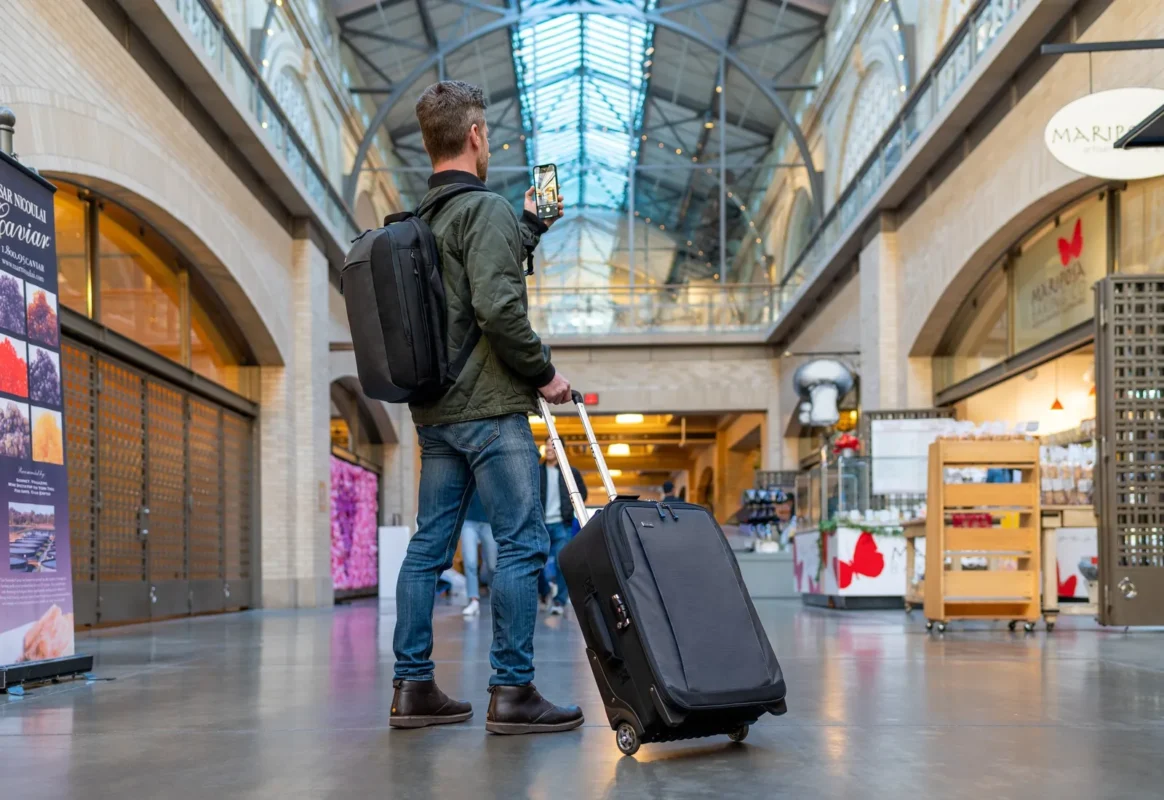
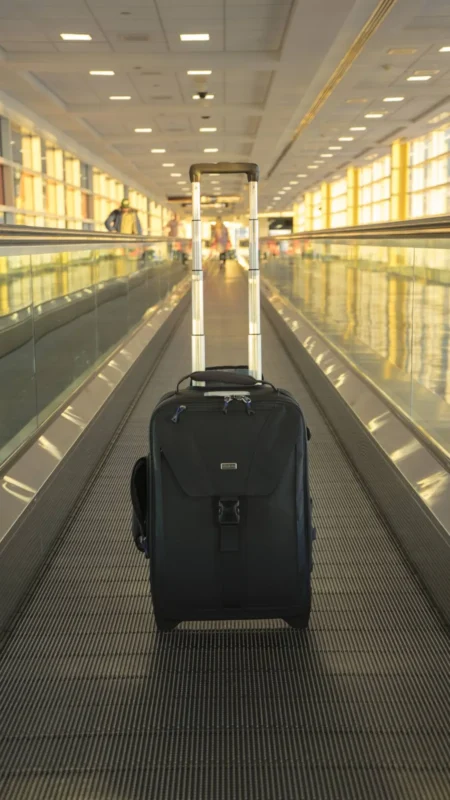
A rolling camera bag moves the weight from your body to the floor. Two bodies, five lenses and a laptop easily come to more than ten kilos, and your back feels it after a day of airports and train stations. On wheels the same load is close to nothing.
It works best on smooth ground: airports, hotel corridors, trade halls and studios. Cobblestones and gravel make it awkward, and stairs or a metro without lifts mean lifting the whole load with one hand. That is why many photographers own a roller for the journey and a smaller bag for the shooting day itself.
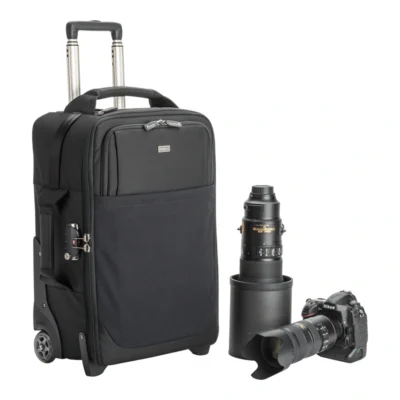
Camera rollers differ from ordinary suitcases on the inside. They have padded, movable dividers that hold bodies and lenses in place, and usually a stiffer frame that takes knocks.
Rolling bags as carry-on
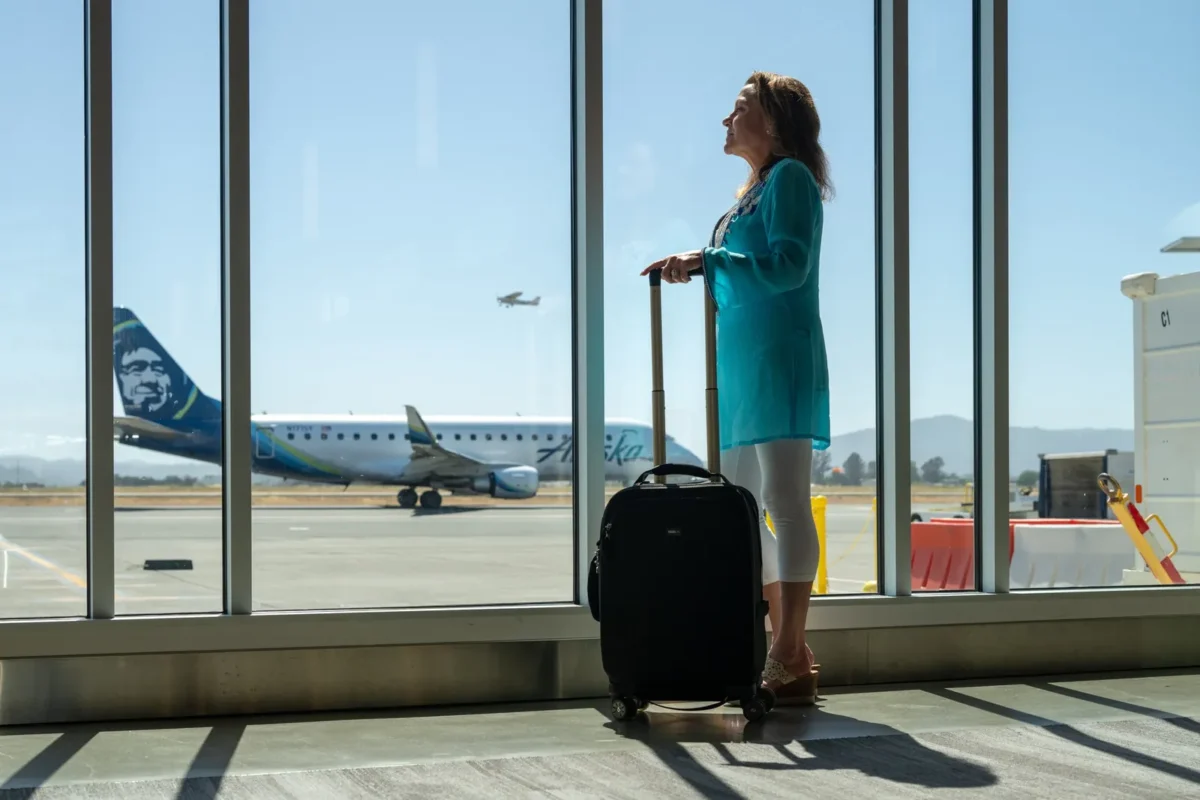
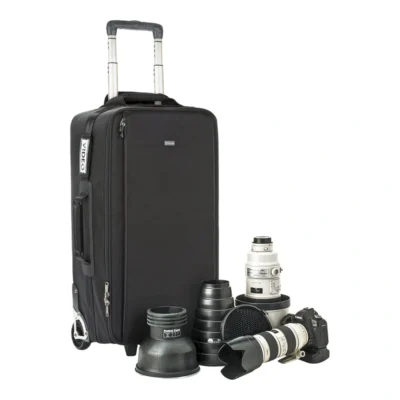
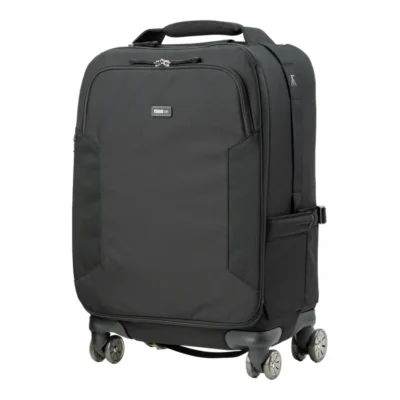
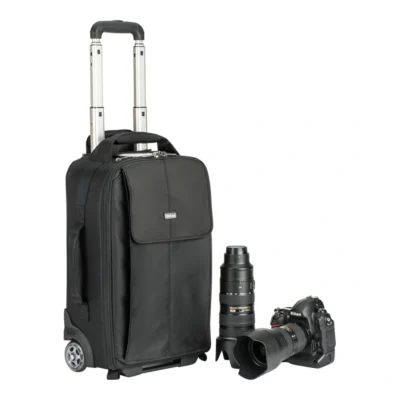
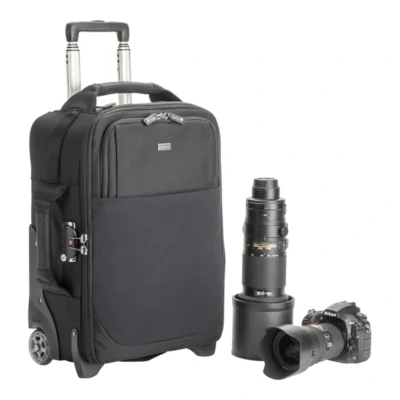
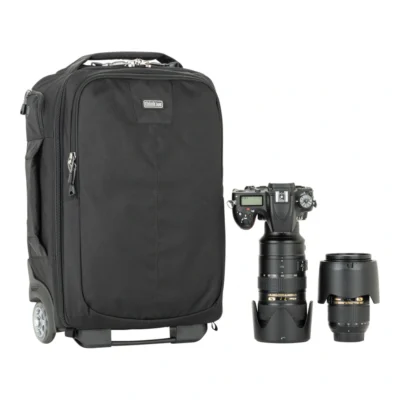
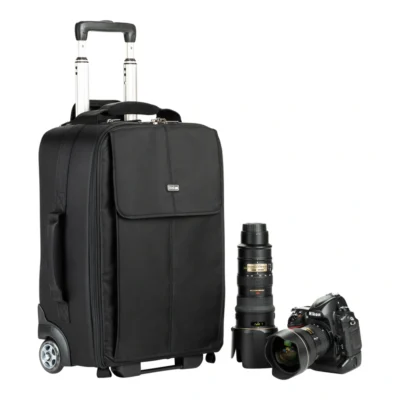
Camera gear belongs in the cabin, and most camera rollers are built for it. There are two sizes to tell apart. Some rollers follow the smaller dimensions many international airlines use, others are made for the larger limits on US domestic flights. Think Tank's Airport series comes in both.
The limits apply to the whole bag, wheels and handle included. Compare the outer dimensions in the product description with your airline's rules, not the interior ones.
Weight is often what catches people out. A roller weighs more empty than a backpack, because wheels, handle and frame all add up. With a low cabin weight limit it carries less gear than you would expect.
A few details make travel easier:
- A laptop pocket you can reach without opening the camera section, so security goes quickly.
- Locks on the zips, so nobody opens the bag in passing.
- A side handle for lifting the bag into the overhead bin.
Rolling cases for lighting and stands
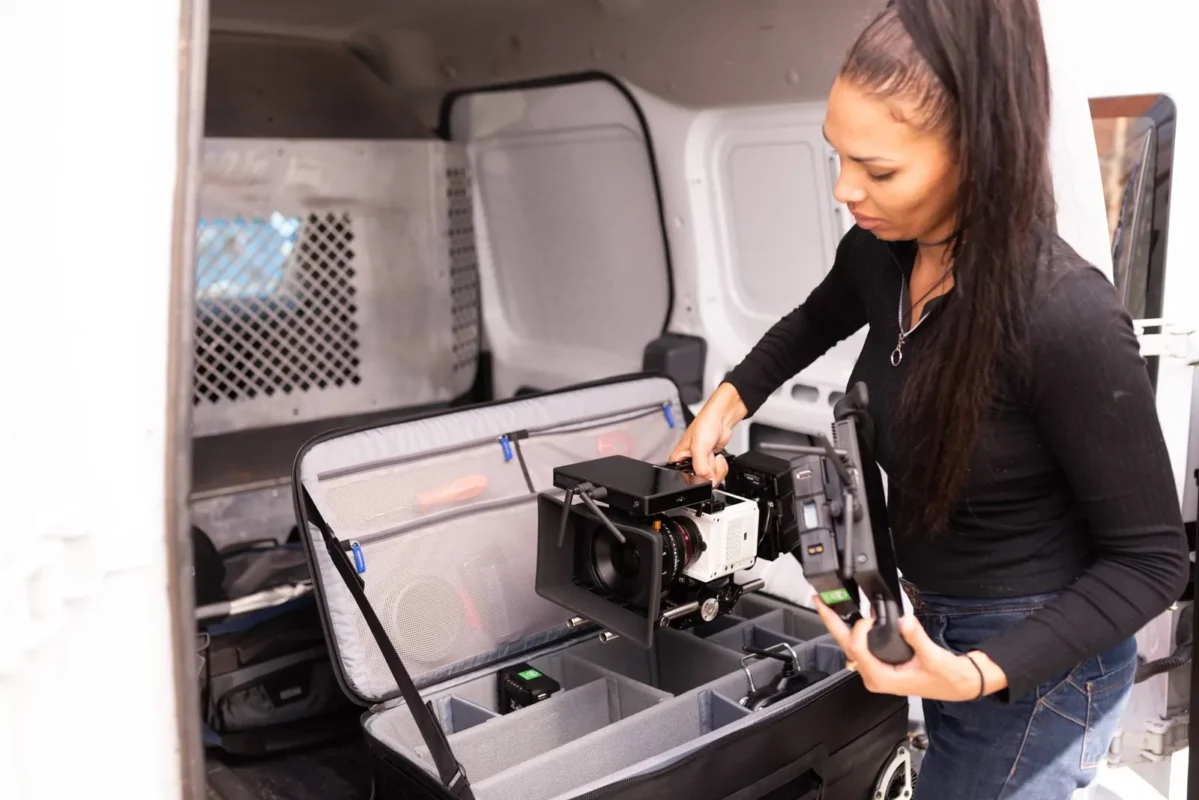
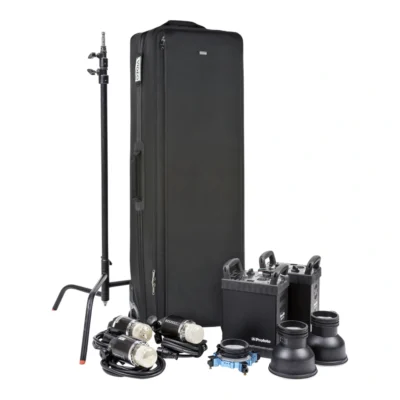
Studio photographers and filmmakers have a different problem. Flash heads, battery packs and light stands are heavy and bulky, and they need to get to the car and into a venue. Larger rollers that are not meant for the cabin handle this.
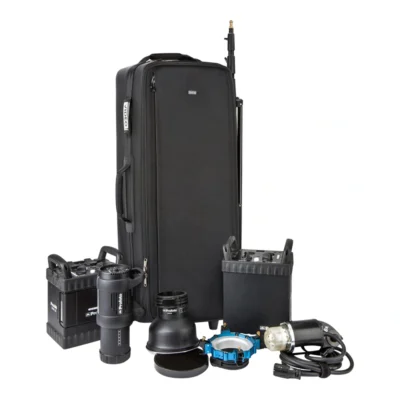
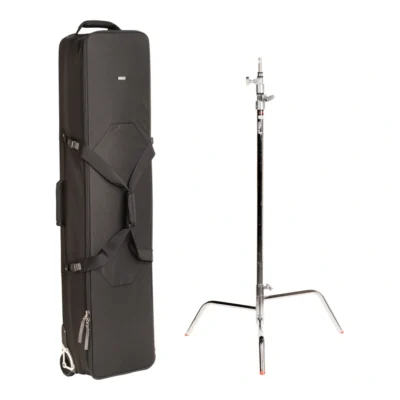
Think Tank's Production Manager series holds flash heads, batteries and stands in one bag, with shock-absorbing wheels and an interior you divide to suit the kit. Stand Manager is a long, narrow roller for up to four light stands. It is more than a metre long, so measure the boot of your car first.
Take tripod heads and reflectors off before packing. The stands then lie steady and take less room.
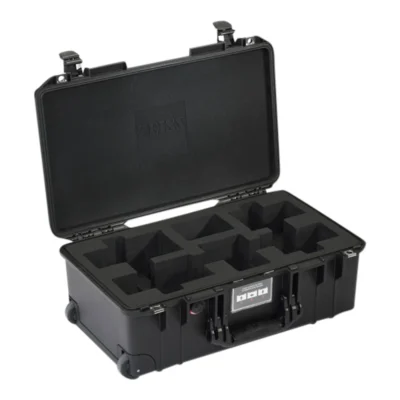
You will also find the ZEISS transport case for cine lenses here, with a cut-out slot for each lens. Hard cases of that kind are covered in more detail under hard cases.
Rolling backpack or a roller with a camera cube
There is a middle ground. A rolling backpack has wheels and a pull handle, plus shoulder straps that come out when the ground gets rough. It is heavier than a normal backpack and less comfortable over long distances, but it manages both the terminal and the cobbles.
Peak Design's Roller Pro goes the other way. It is a carry-on suitcase where the camera gear sits in a removable camera cube. The cube lifts out and goes into another bag, and the rest of the roller takes clothes. It suits someone travelling with one camera and a few lenses, not a whole studio.
What to check
Wheels wear out first. Make sure they can be replaced, and ask whether spare wheels exist for the bag you choose. Large wheels roll over thresholds and joints more easily than small ones.
Look at the interior dimensions and compare them with your gear. A body with a lens mounted takes more height than you think, so measure it the way it will lie in the bag.
On a braking bus or train, don't stand the bag upright with heavy lenses at the top. Lay it down or hold on to it. A roller that topples knocks the lenses together, even with good padding.
The handle should extend far enough that the bag doesn't clip your heels as you walk, which matters most if you are tall. A frame that runs all the way round keeps the bag in shape when it is pushed into a full overhead bin.
Wipe the wheels after a day in slush. Grit and salt in the hubs wear them more than the kilometres do.
Frequently asked questions about rolling bags
Can I take a rolling camera bag as carry-on?
Yes, most camera rollers are built to carry-on dimensions. Airlines set different limits for size and weight, and the size limit covers the whole bag with wheels and handle. Check with your airline before you travel.
Is a roller or a camera backpack better for travel?
A roller is easiest with a lot of gear on smooth floors, such as airports and cities with lifts. A backpack is better on stairs, cobblestones and trails. Many people travel with a roller and carry a smaller bag for the shooting itself.
How much does a rolling camera bag weigh?
More than a backpack of the same size, since wheels, handle and frame add weight. Keep that in mind if your airline has a low cabin weight limit. The weight is listed in the product description.
How do you transport light stands and flashes?
In a larger roller made for studio gear. Some hold flash heads and batteries, and long narrow ones take several light stands. Measure your car boot first, as the longest are more than a metre.
What is a rolling camera backpack?
A camera bag with wheels and a pull handle that also has shoulder straps. You pull it on smooth ground and carry it as a backpack when the surface gets too rough. It is heavier than a normal backpack.