
















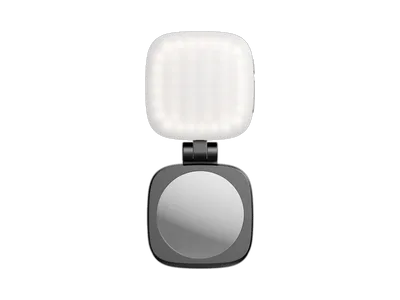
A camera insert is a padded cube that turns an ordinary backpack or suitcase into a camera bag. A hard case protects better in shipping, on flights and in rough conditions, and for cine lenses there are cases with slots for a whole set. Choose the size by how many lenses and which camera body you pack.
Read more about hard cases & camera inserts

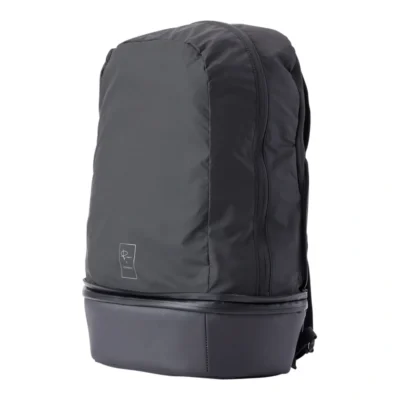
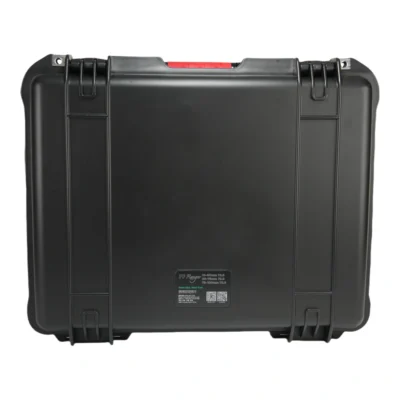
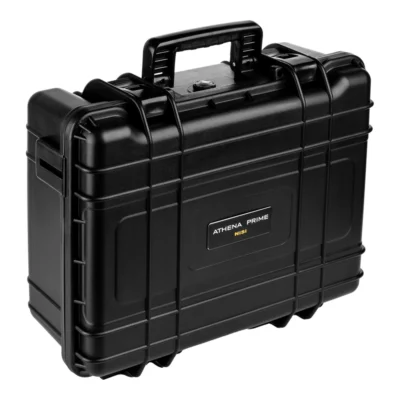
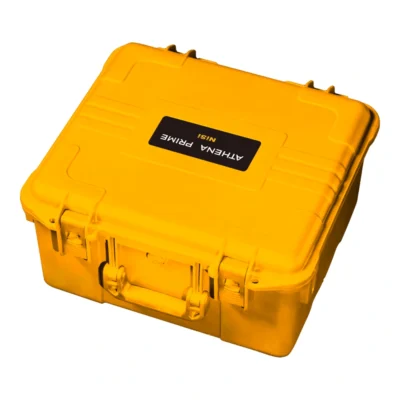
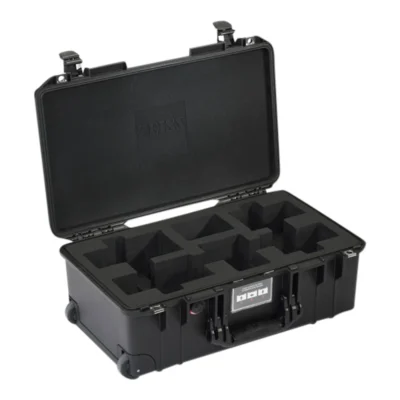

Camera insert or hard case
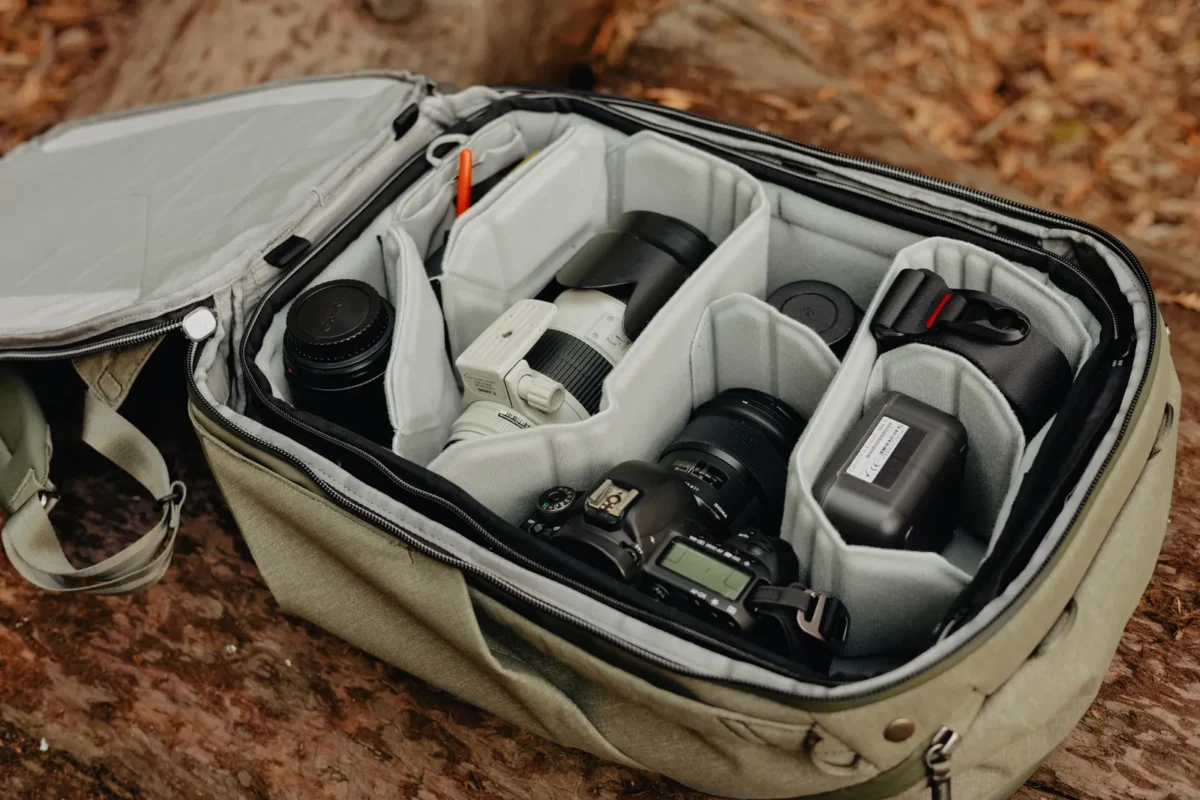
This category holds two extremes. A camera insert is soft and light and turns a bag you already own into a camera bag. A hard case is a rigid transport case with a slot for every lens, built to take knocks, pressure and weather on the way.
| Type | Protects against | Used | Suits |
|---|---|---|---|
| Camera insert | Knocks and rubbing inside another bag | In a backpack, suitcase or duffel | Keeping the bag you like |
| Camera cube that becomes a backpack | Knocks and rubbing | As an insert or as a daypack on its own | Trips where the same kit is carried several ways |
| Hard case for a lens set | Knocks, pressure, dust and water | In cars, on flights and on set | Cine lenses and complete lens sets |
Most people need the first. The last is for anyone who moves expensive kit often and can't always keep it in hand.
A camera insert in an ordinary bag
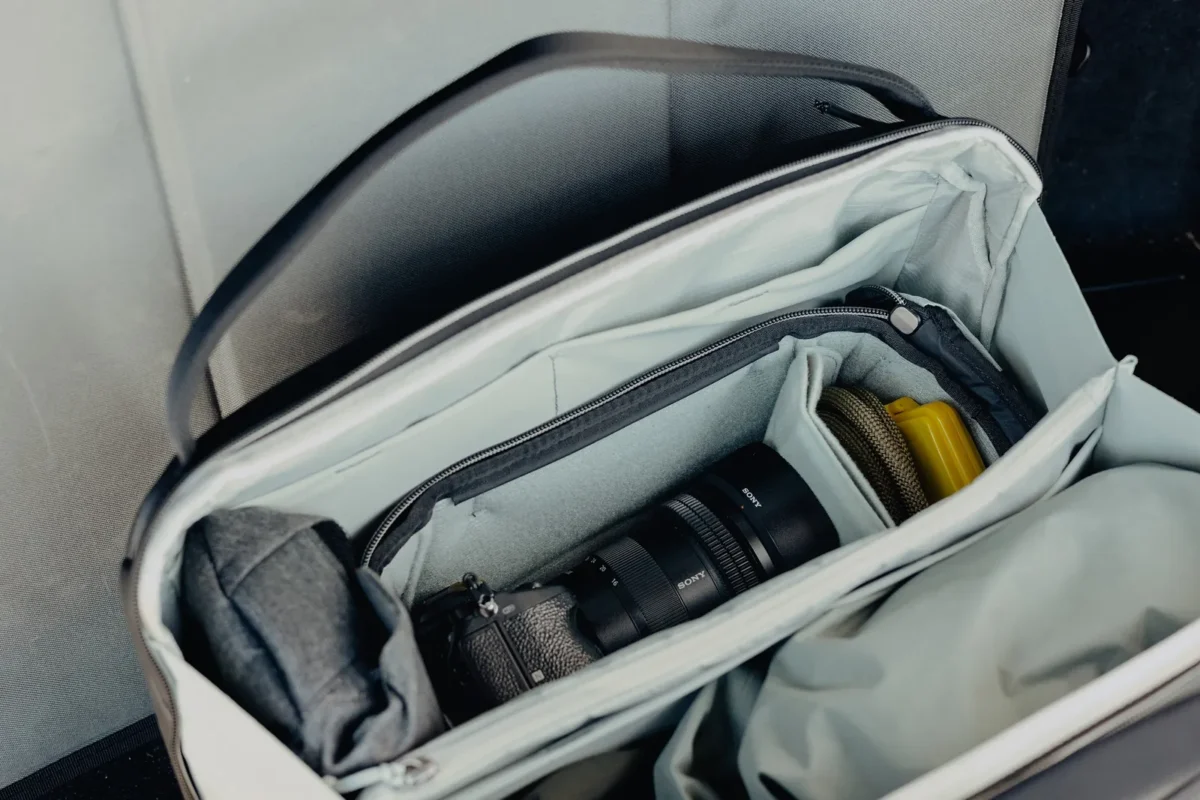
A camera insert, or camera cube, is a padded fabric box with movable dividers. It goes into a backpack or suitcase you already have. The camera is protected, and you choose the bag for fit, looks and the rest of your packing.
It suits people who find camera backpacks uncomfortable or too technical-looking. It also saves owning a bag for every occasion: the same insert can travel in your suitcase on the plane and in a hiking pack the next day.
The drawback is access. You open the outer bag, then the insert. For shooting where the camera comes out constantly, a proper camera bag is quicker.
Peak Design's camera cubes have dividers that fold rather than come out and go back in, which makes rearranging easy. They are made for the brand's travel bags but fit many others with the right interior size. Gomatic makes a camera cube that unfolds into a daypack of its own, for days when you want the camera and a few other things with you from the hotel.
Choosing the insert size
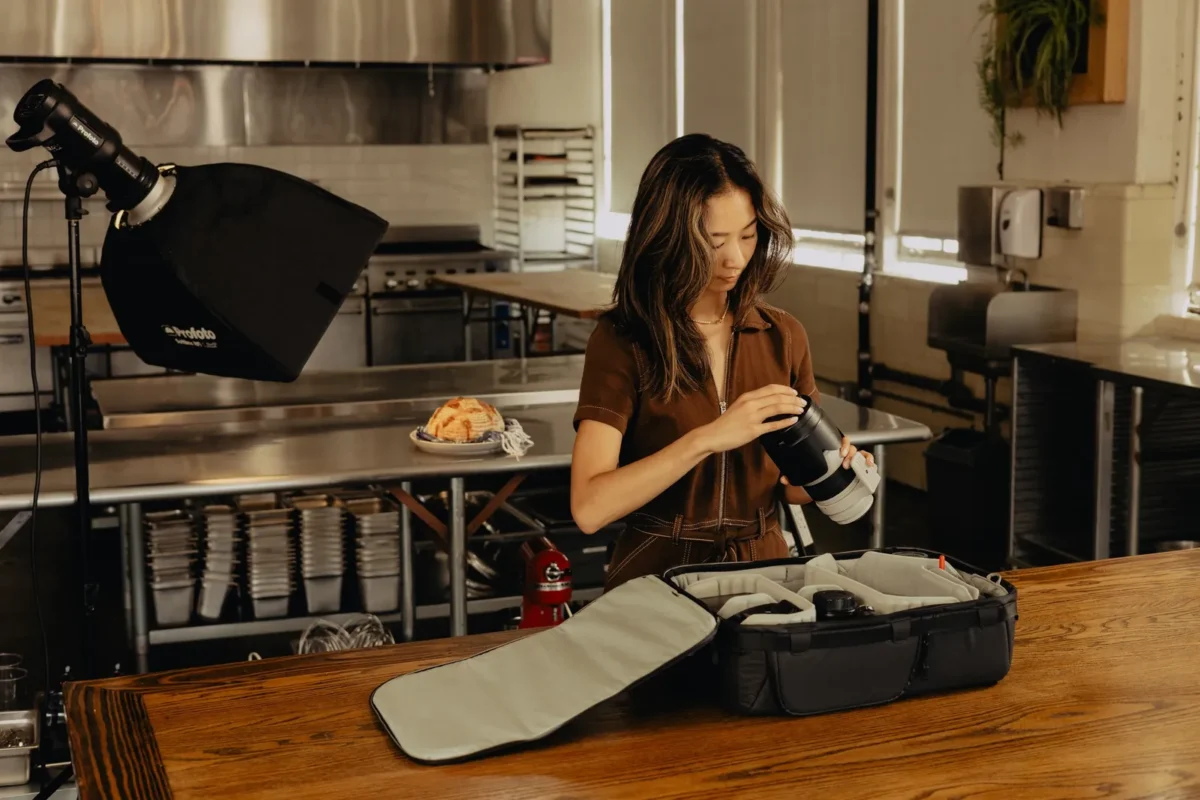
Begin with the bag the insert will live in. Measure its interior, the depth above all. An insert that is too tall stops the backpack from closing, and one that is too small slides around.
Then lay out the body with the lens you usually keep on it. That pairing sets the height the insert needs. Camera cubes run from very small sizes for one body and one lens up to large ones for two bodies and several lenses.
Think about what has to fit alongside. A large insert in a 30-litre backpack leaves no room for a jacket or lunch. Going one size down and leaving the last lens at home is often the better trade.
Packing so nothing moves
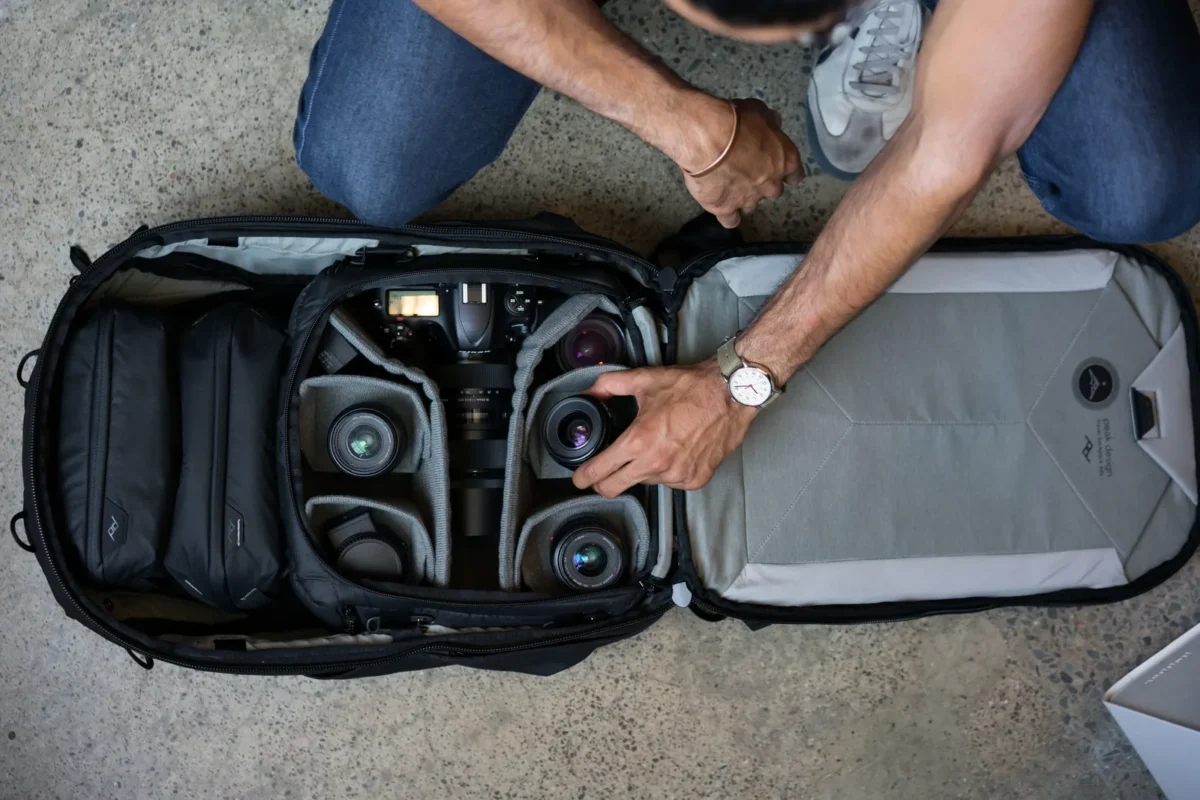
Set the dividers tight enough that nothing shifts when you shake the insert. Rubbing and small knocks between items do the damage, rarely the drop itself.
Put the body in lens down so the weight sits low. Heavy lenses belong closest to your back when the insert is in a backpack. Cap both ends of any lens stored on its own.
An empty slot can take a hat or a pair of gloves. It holds the rest in place and saves carrying them somewhere else.
Hard cases for lens sets and cine lenses
A hard case has a rigid shell and slots cut or moulded for particular lenses. It protects against pressure from above, which a soft bag does not, and keeps dust and water out. That is why you see them on film sets, in vehicles and whenever kit is shipped.
Here you will find hard cases for NiSi cine lenses, holding six or nine lenses with extra space for filters and accessories. Laowa makes a case for three of its full-frame cine zooms, and ZEISS has a light transport case for up to five cine lenses in foam slots.
Expect a hard case to weigh more and take more room than a soft bag holding the same kit. That is the price of the shell.
The slots are made for a specific set of lenses. Check that the case is made for exactly the lenses you own: one that is too large won't fit, and one that is too small rattles.
A hard case protects well, but it does not make checking your gear risk-free. If you can take it into the cabin, do. Dry the foam if the case was opened in the rain, and leave it open for a while before the lenses go back in for storage.
Frequently asked questions about hard cases & camera inserts
What is a camera insert?
A camera insert is a padded cube with movable dividers that goes into an ordinary backpack or suitcase. It turns your own bag into a camera bag, so the camera is protected without buying a dedicated camera bag.
What size camera cube do I need?
Measure the interior of the bag the cube will go in, especially the depth. Then check that your body with its usual lens fits the height. Leave room in the bag for a jacket and other things.
When do you need a hard case?
When gear travels by car, gets shipped or has to cope with pressure and water, for example on a film set. A hard case with a slot for each lens protects better than a soft bag. For everyday shooting a padded bag is enough.
Can I check in my camera in a hard case?
A hard case protects against knocks and pressure, but theft and lost luggage are still a risk. Take your gear into the cabin if you can. Spare lithium batteries generally have to go in hand luggage.
Are there cases for cine lenses?
Yes, there are hard cases with slots for complete sets of cine lenses. The slots are made for particular lenses, so check that the case fits the ones you own.