
















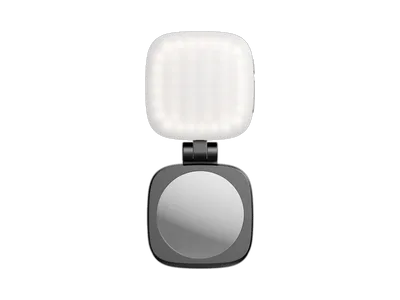
A spotting scope gives high magnification and is used on a tripod to watch birds and animals at long range. The objective diameter decides how much light reaches the eye, and a larger diameter gives a brighter image at dusk but more weight. ED glass gives less colour fringing at high magnification. With an adapter you can take pictures through the scope with a phone or camera.
Read more about spotting scopes
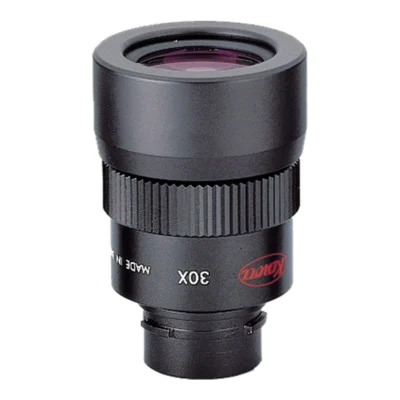
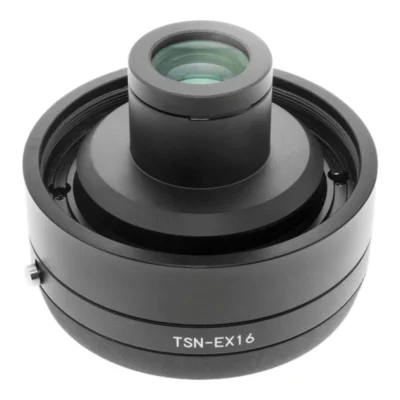
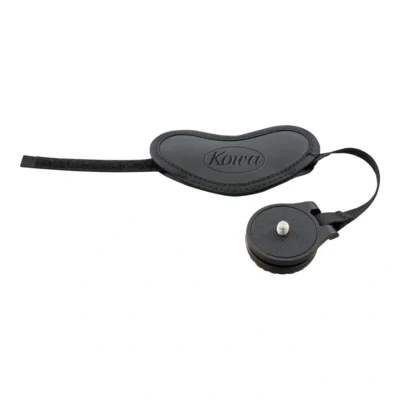

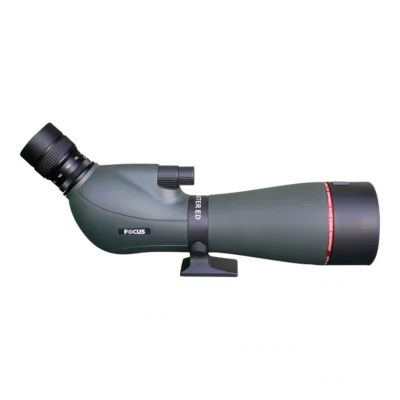
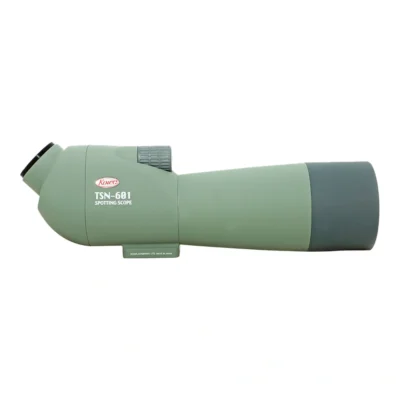
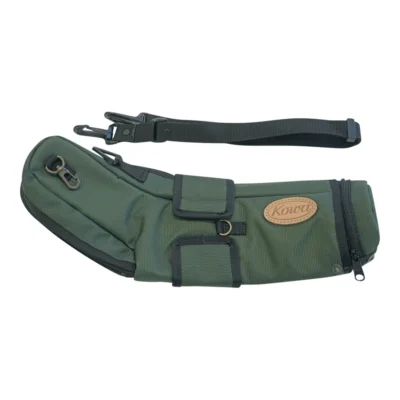


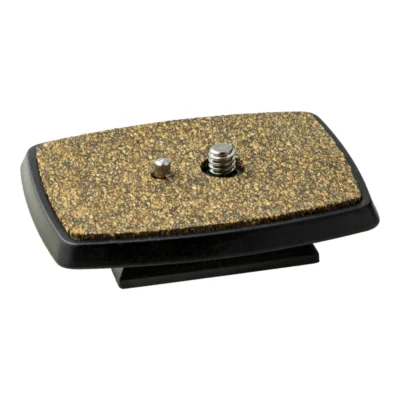

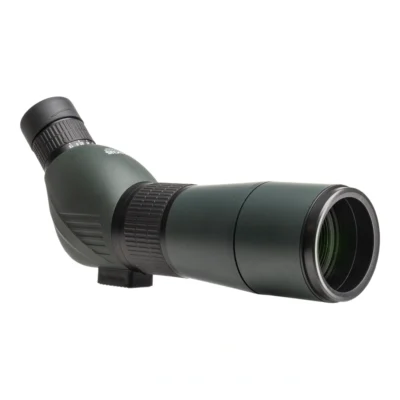
A spotting scope picks up where binoculars stop. It shows waders across the bay, the hits on a target a hundred metres away and boats far out from the deck of a summer house. They range from light travel scopes to large observation scopes with 80 mm objectives and more.
When you need a spotting scope
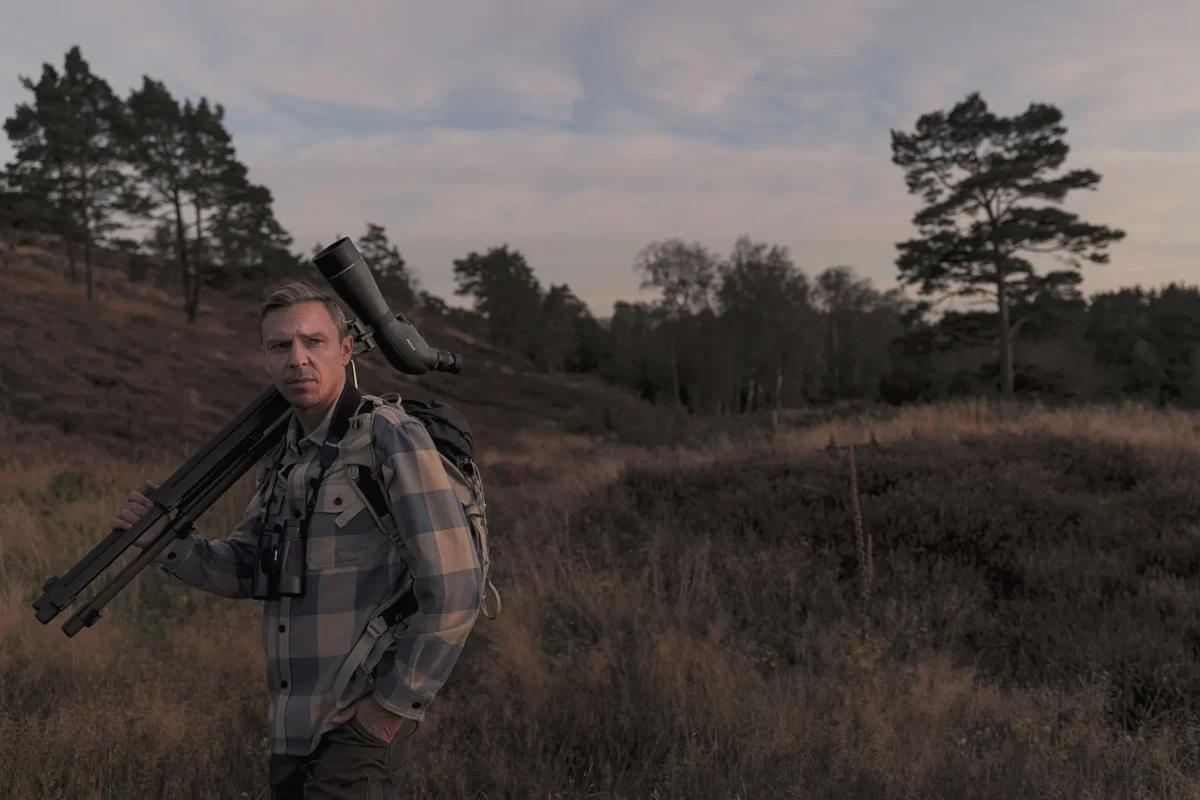
An 8x or 10x pair of binoculars goes a long way in woodland and at close range. Once distances reach several hundred metres, across open water, meadows and plains, they cannot show the detail. That is where a scope earns its place, with magnification from about 15x up to 70x.
It needs a tripod, so it is used where you stay put for a while. Birders take it to lakes, coasts and hides. Shooters set it up next to them at the range. Many also keep a scope as a viewing scope by a window or on a veranda, where it stays out and gets used every day.
Zoom eyepieces and magnification
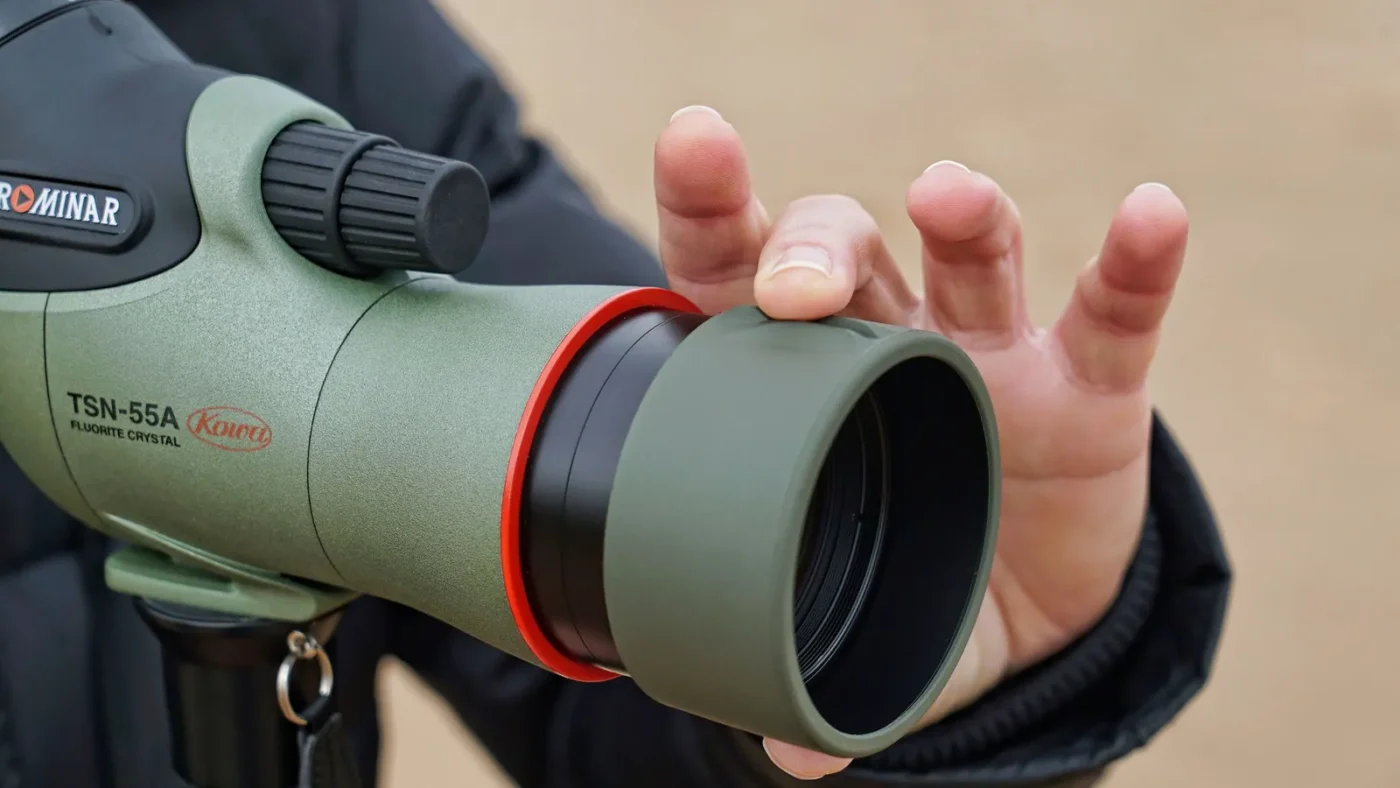
Most spotting scopes have a zoom eyepiece, such as 15-45x, 20-60x or 30-70x. Use the lowest setting to find the subject, as the field is widest there. Then zoom in.
The top magnification is not always usable. The image gets darker, and heat shimmer or wind often sets the limit long before the optics do. On a clear, cool morning you can use the whole zoom range. On a warm afternoon maybe half.
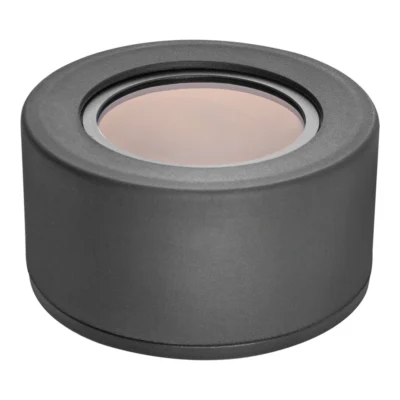
Kowa eyepieces are interchangeable. A fixed wide-angle eyepiece gives a wider field and often a crisper view than the zoom at the same power, which many prefer for long sessions. There is also an extender that multiplies magnification by 1.6 for those who want more reach.
Objective size and glass
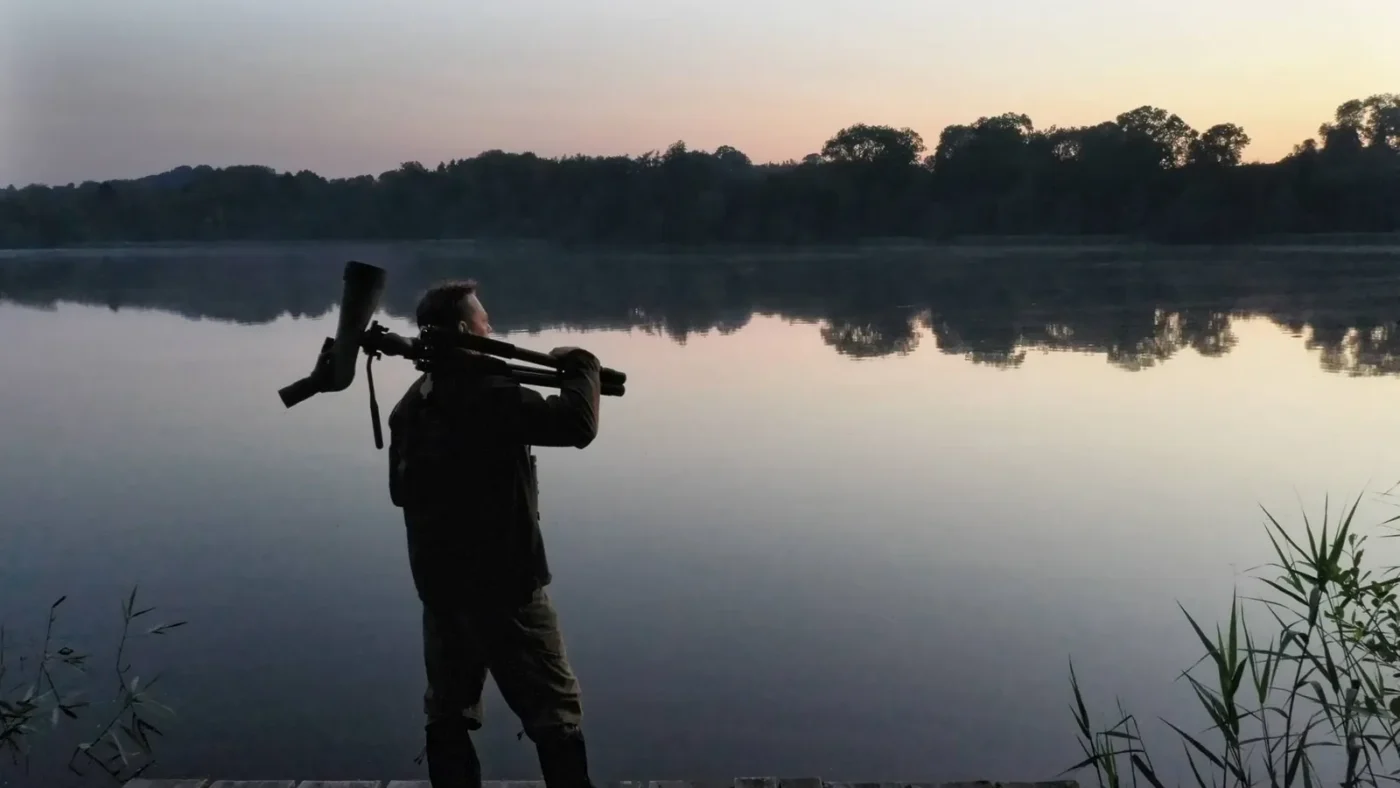
The objective decides how much light is left at high magnification. Divide the objective by the power to see the difference. An 80 mm scope at 60x gives an exit pupil of 1.3 mm, while a 60 mm scope at the same power gives only a little over half as much light.
| Objective | Size and weight | At high magnification | Suits |
|---|---|---|---|
| 50-65 mm | Light, easy to carry far | Dims early in poor light | Travel, hiking, daylight |
| 80-85 mm | Mid-size, the birding standard | Good light even on a grey day | Birding, the range, viewing |
| 88 mm and up | Heavy, not for long walks | Brightest at dawn and dusk | Fixed observation, seabirds on the coast |
ED glass and apochromatic optics reduce the colour fringes that otherwise show around contrasty edges at high power. It matters more on a scope than on binoculars because the magnification is so much higher. ED or APO in the name means the objective is corrected for it.
Angled or straight, focusing and protection
An angled eyepiece lets the tripod stand lower, which gives a steadier image. It is easier to share the scope and to look up at treetops and sky. A straight eyepiece makes it easier to find the subject and works well through a car window or when looking down from high ground.
Focus is either a wheel on the body or a collar around the barrel. Some have two speeds, a coarse one to get close quickly and a fine one for the final touch. That helps at high power, where focus sits on a tiny movement.
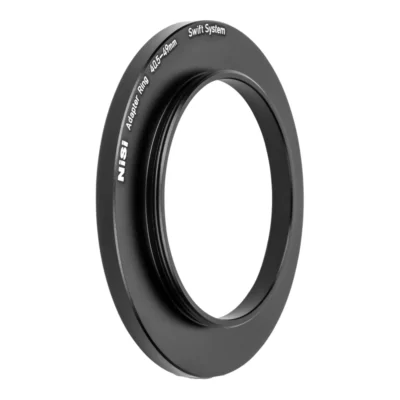
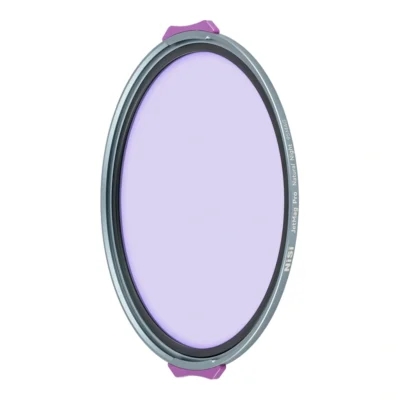
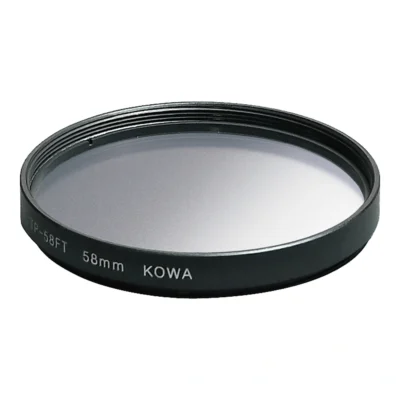
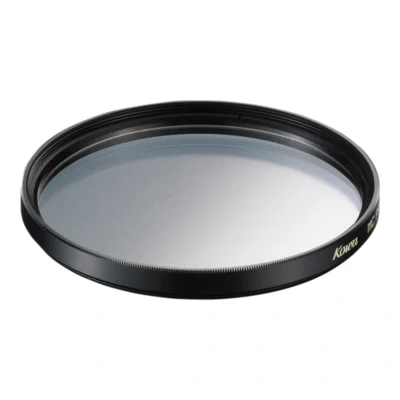
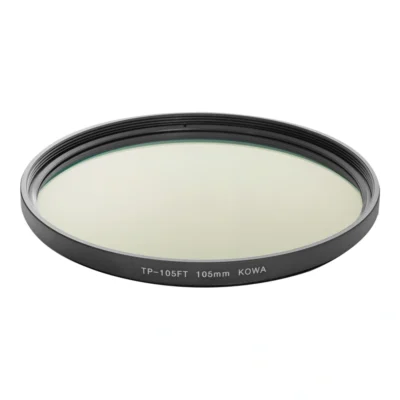
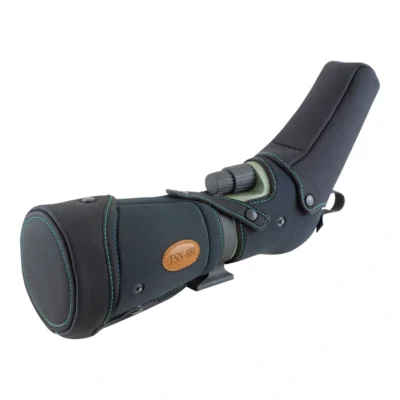
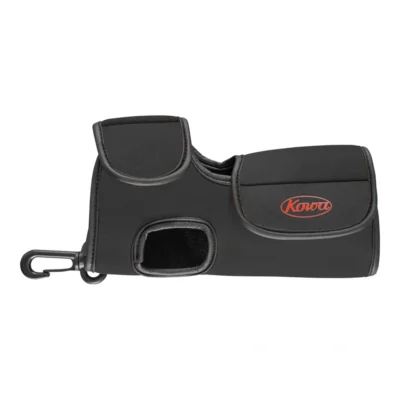
A neoprene stay-on case protects against knocks and rain without having to come off when you look. A protection filter in front of the objective takes dust and raindrops and is cheaper to replace than a scratched front lens.
Tripods and complete kits
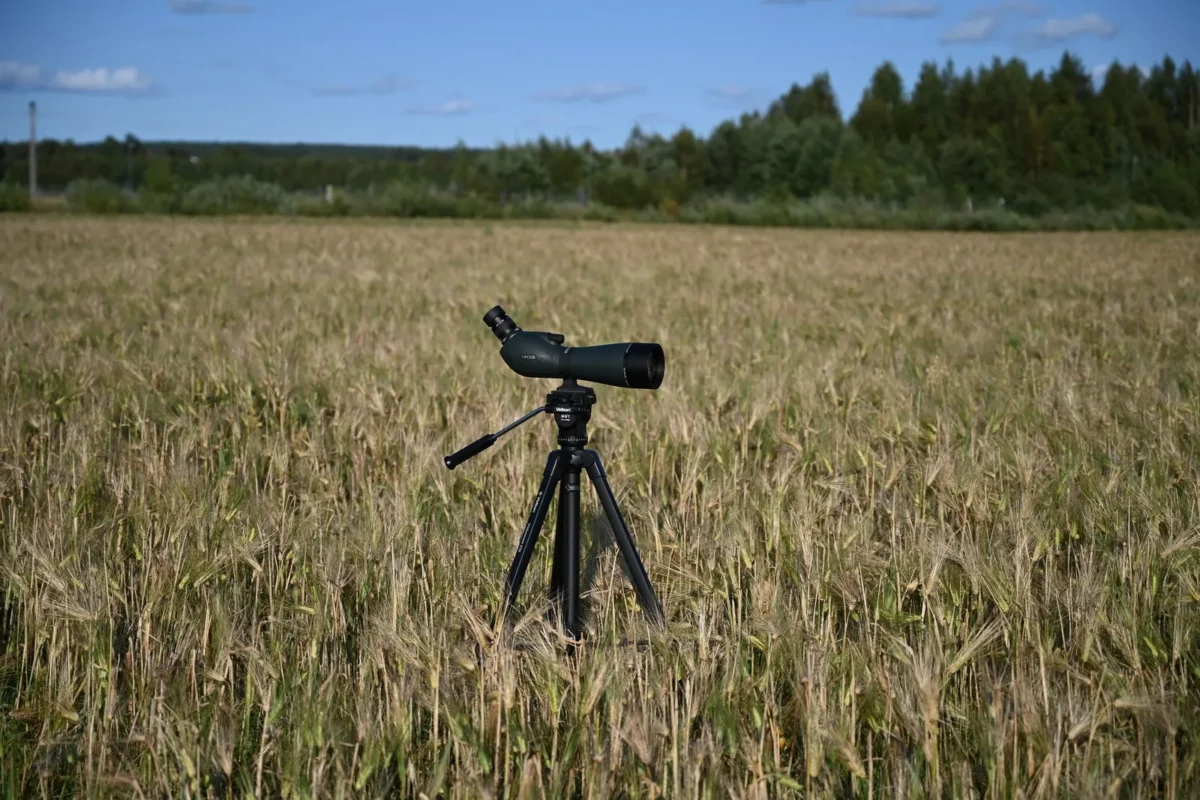
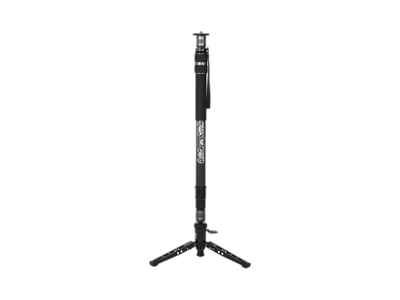
The tripod needs a head that pans smoothly, ideally a video head with a handle. A ball head works but makes it harder to follow a bird in flight. With a straight eyepiece the tripod must reach eye height without the centre column fully extended, or the image will shake.
Check that the tripod carries the scope's weight with a margin. A large scope with case and eyepiece weighs more than you would think. Several scopes come as kits with a Sirui or Velbon tripod, so the combination is already matched. That is the easiest way to start if you do not own a tripod up to the job.
Birding, the shooting range and the night sky
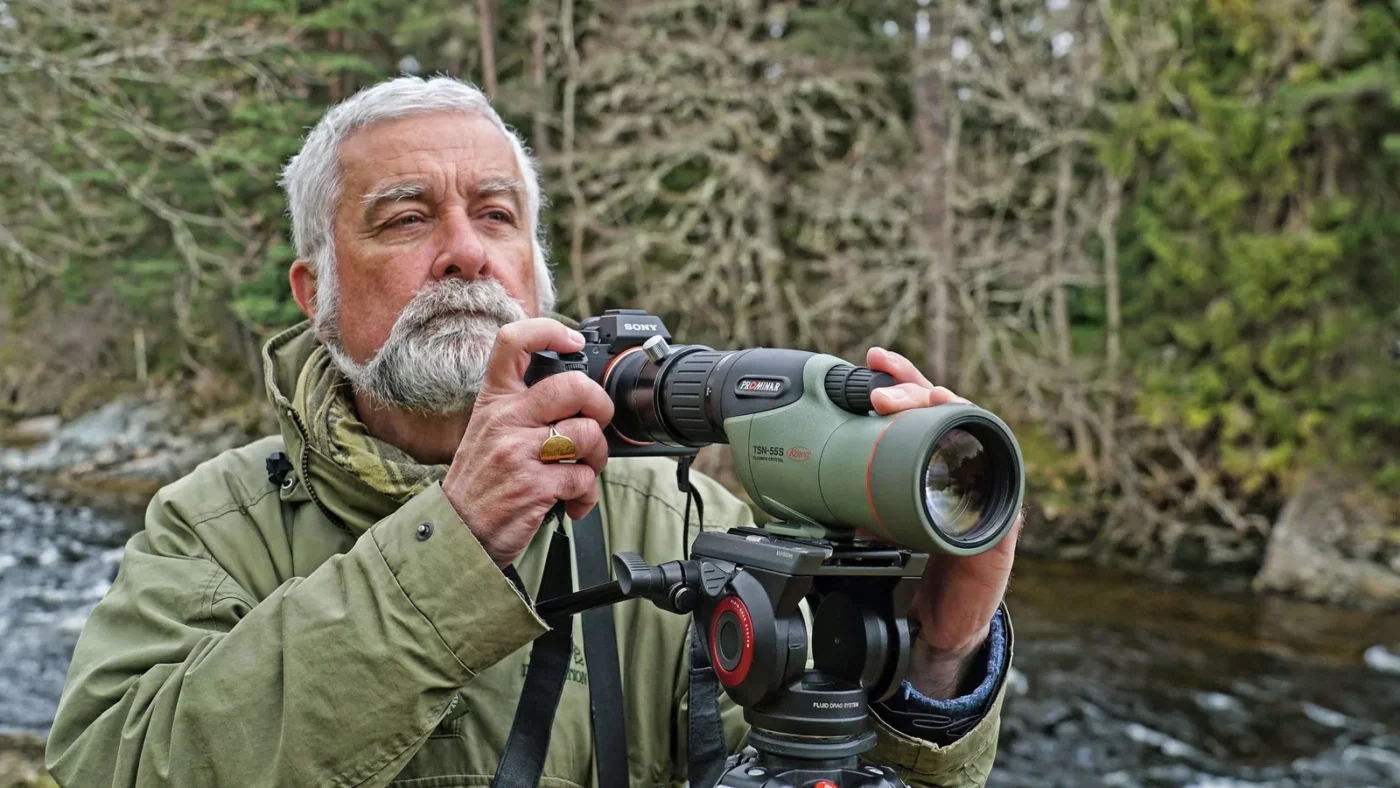
For birding, an 80 mm angled scope with a 20-60x zoom is the most common choice in Sweden. It shows the plumage of waders and ducks far out, and you can still carry it from the car to the hide.
At the range a spotting scope lets you see your group without walking to the target. A straight eyepiece is handy here, as you often look from a prone or seated position beside the rifle. Around 20-40x covers most distances on a range.
A scope works on the night sky too. Craters on the Moon show clearly even at low power, and on a clear night you can make out Saturn's rings and Jupiter's moons. It is no replacement for a telescope, but a nice bonus for an optic already standing on its tripod.
Frequently asked questions about spotting scopes
What magnification do you need in a spotting scope?
A 20-60x zoom covers most needs. The low end is for finding the subject and the high end for detail, but heat shimmer often stops you using full power in the middle of the day.
Angled or straight eyepiece on a spotting scope?
An angled eyepiece allows a lower, steadier tripod and is easier to share. A straight one is easier to aim and works well through a car window and at the shooting range.
Which spotting scope suits shooting?
A scope with around 20-40x and ideally a straight eyepiece, so you can see your hits from the shooting position. A larger objective helps on a dull day.
What is a viewing scope?
A viewing scope usually means a spotting scope or powerful binoculars on a tripod by a window or on a deck. It is used to watch birds, boats and landscape from the same spot every day.
Should I buy a spotting scope kit with a tripod?
If you do not already own a sturdy tripod with a smooth video head, a kit is the easiest option. The tripod is then chosen to carry the scope's weight and reach the right height.