
















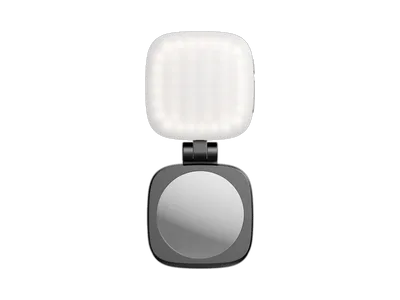
Light and sound often make a bigger difference to a film than the camera. Here you will find small LED lights for the camera, larger studio lights with modifiers and stands, flashes and triggers for photography, microphones for speech and interviews and monitors for seeing the image clearly. Compare the output and colour temperature of the light, and whether it runs on battery or mains power.
Read more about lighting & audio
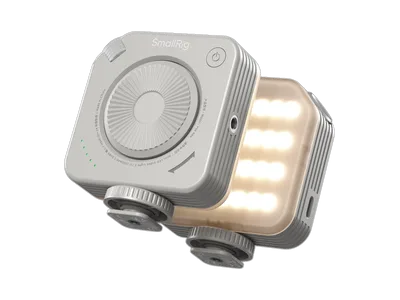
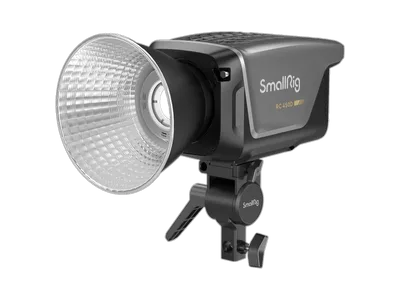
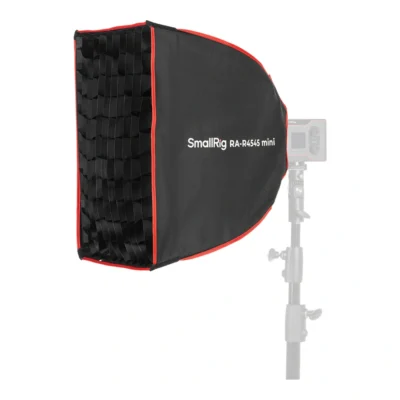

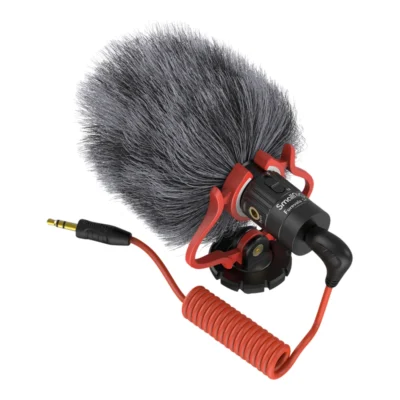
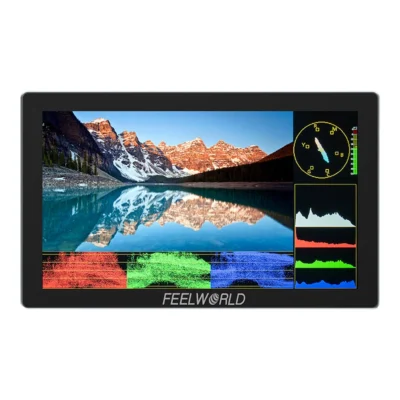
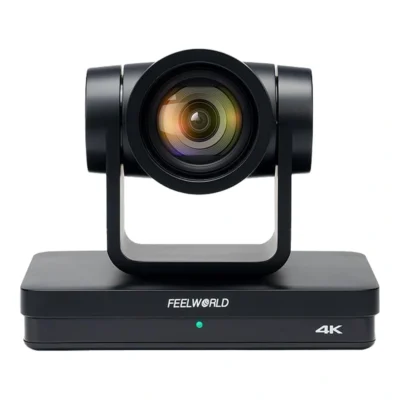
This department gathers what goes around the camera: lights, flashes, modifiers, stands, microphones, monitors and broadcast gear. Here is an overview of what each part does and where to start. Every subcategory has its own guide that goes into depth.
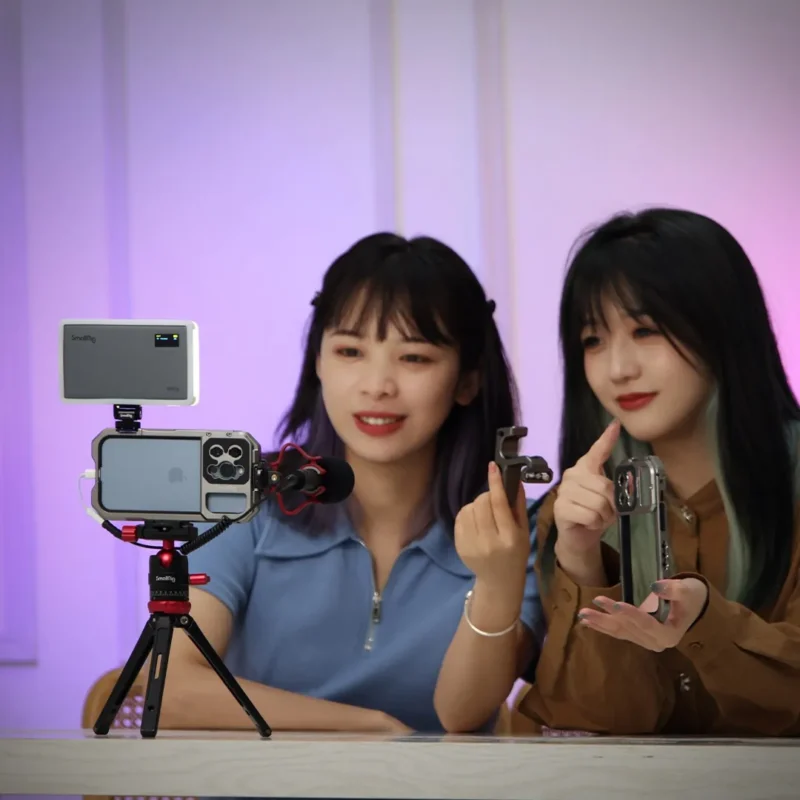
Continuous light or flash
Photo lighting comes in two basic kinds. Continuous light stays on, like an ordinary lamp. You see at once how the light falls, and it is the only kind that works for video. Almost all continuous light for photo and film is LED today.
A flash fires a very short, intense burst at the moment the picture is taken. It gives far more light for its size, freezes motion and runs on battery for hundreds of shots. You don't see the result until the picture is taken, though. If you only shoot stills, flash is often the better choice. If you film, or do both, start with LED.
LED lights and phone lights
Small LED lights sit on the camera, on a rig or on a mini tripod. They run on a built-in battery and are enough to light a face at close range, a product on a table or a detail in the background. There are bi-colour lights that go from warm to cool and RGB lights that also produce colour.
Phones have their own lights that attach with a magnet or a clamp. They are made so you can film yourself with the front camera in a dark room.
Studio lights, stands and modifiers
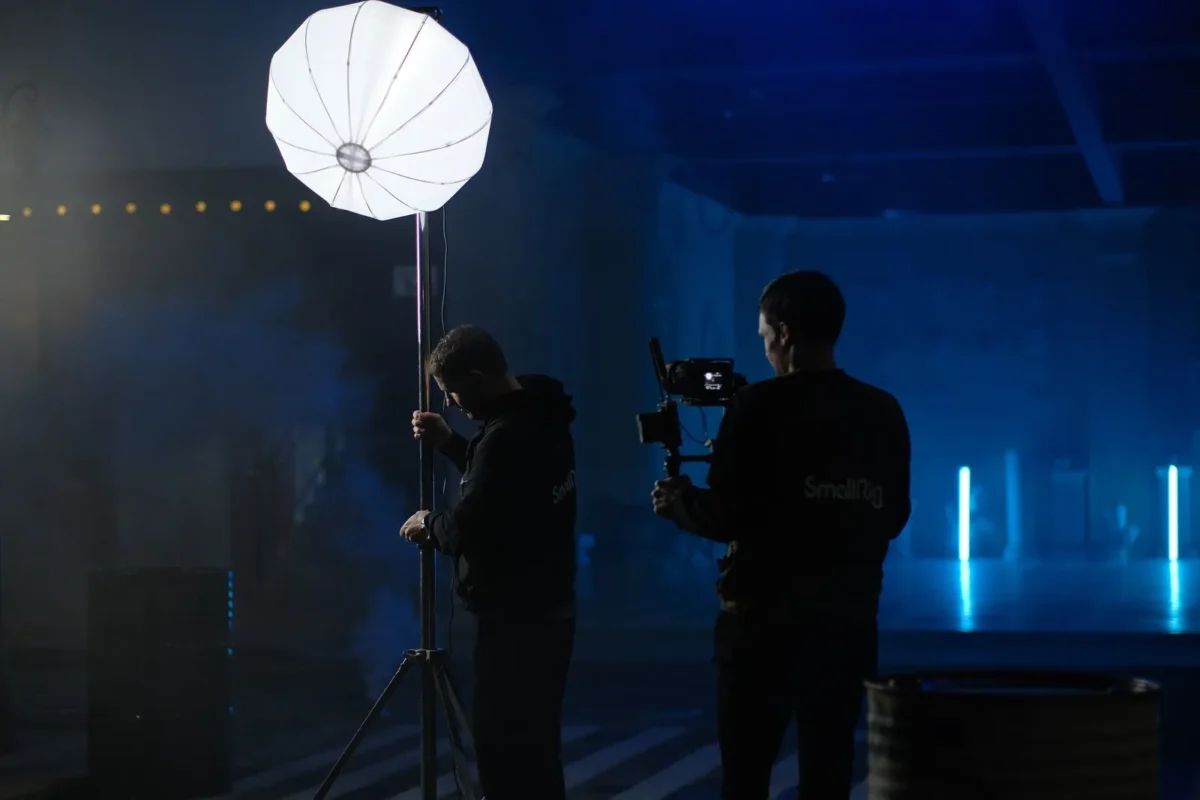
When a whole room, an interview or a portrait studio needs lighting, small panels won't do. Studio lights give several times more output and have a front mount for softboxes and other modifiers. They sit on light stands, which must carry the light with its modifier and be tall enough for light to come down at an angle.
The modifier decides what the light looks like. A softbox makes it soft, a lantern spreads it through the room and a spotlight gathers it into a sharp cone. A studio light without a modifier gives hard light that is rarely flattering, so budget for both.
Flashes and triggers
A speedlight in the camera's hot shoe is the simplest route to better light in stills, especially if the head can be pointed at the ceiling. If you take the flash off the camera onto a stand, you need a wireless transmitter and receiver. Flashes and triggers with automatic exposure, TTL, are chosen to match the camera brand.
Microphones and audio
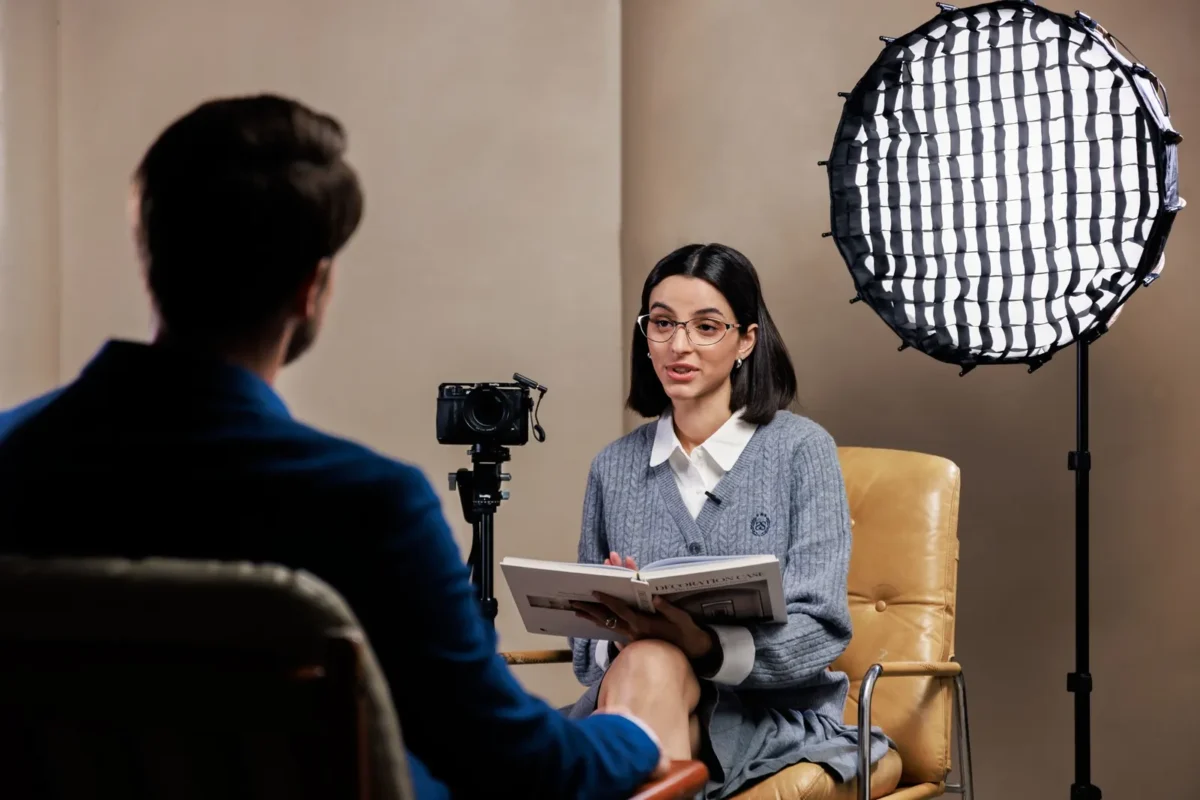
Sound often decides whether a video is watchable. Built-in microphones on cameras and phones sit too far from the speaker. A wireless mic on the collar gives clear speech even with the camera a few metres away, and with two transmitters you can record an interview. A microphone in the camera's shoe is simpler and works when the camera is close.
Monitors and streaming
An external monitor shows the picture larger and brighter than the camera's screen and adds tools for focus and exposure. Small monitors sit on the camera. Large ones serve as director's monitors on set.
To turn several cameras into a live broadcast you need a video mixer to switch between them. Remote-controlled PTZ cameras are used in classrooms, churches and conference rooms. A teleprompter shows the script in front of the lens, so you can read while looking into the camera.
What they share: power, mounts and colour
Much of this gear shares batteries. USB-C charges and powers small lights, microphones and some monitors. NP-F type batteries run many monitors and mid-sized lights, and V-mount batteries take the larger lights. Choosing one battery type for several devices means fewer batteries and chargers.
Mounts are standardised too. The camera's cold shoe takes lights, microphones and monitors. The 1/4-inch thread is on almost everything, and light stands have a spigot that most lights and adapters fit. Still check the modifier mount, where lights differ.
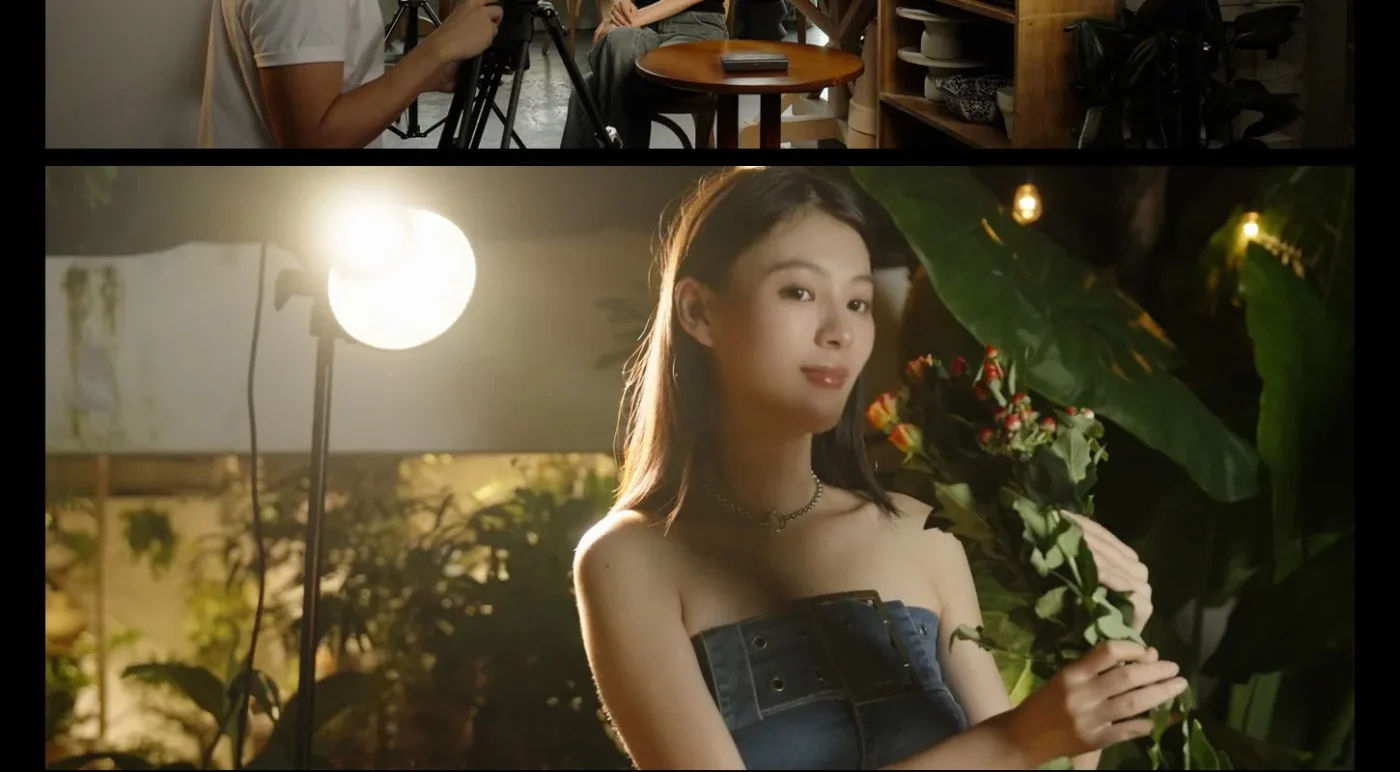
Colour is what most often goes wrong when gear is mixed. Every light in the same shot should have the same colour temperature, ideally matching the room light. Look at CRI as well. Lights with a low value give pale or greenish skin.
Starting from scratch, our experience is that sound should come first if you film people talking. Then one good light with a softbox. A monitor, a second light and the rest can wait until you know what you are missing.
Frequently asked questions about lighting & audio
Which photo light should I start with?
If you film, or shoot both photo and video, a bi-colour LED light with a softbox is the best start. If you only shoot stills, a speedlight gives more light for the money. Choose a light with a CRI of 95 or higher.
Is LED or flash better for photography?
Flash gives more light, freezes motion and takes less space. LED stays on, so you see the result before taking the picture and can film as well. For portraits and moving subjects flash wins; for products, macro and video LED does.
What do I need for a home photo studio?
A studio light or flash with a softbox, a light stand that carries the setup and a reflector for fill. That covers portraits and product shots. A second light and a backdrop can come later.
What lighting do I need to record video?
Continuous light, in practice LED. One light in front at an angle with a softbox gives the face shape, and a smaller light or a reflector on the other side softens the shadows. All lights should match the colour temperature of the room.
Is light or sound more important when filming?
For video where someone talks, sound matters most. Viewers accept a slightly dark picture but leave when speech is unclear. Start with a wireless microphone and add lighting after.