








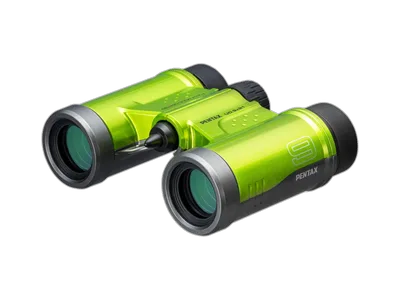








Nature binoculars are the all-round choice for birds, hiking and the outdoors. Lower magnification gives a steadier image and a wider field of view, while higher magnification shows more detail but shakes more handheld. A larger objective diameter gathers more light at dusk but weighs more. A waterproof, nitrogen-filled body stops fogging when you go from cold into warmth.
Read more about nature binoculars
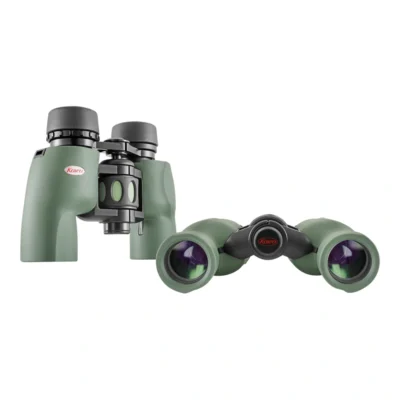
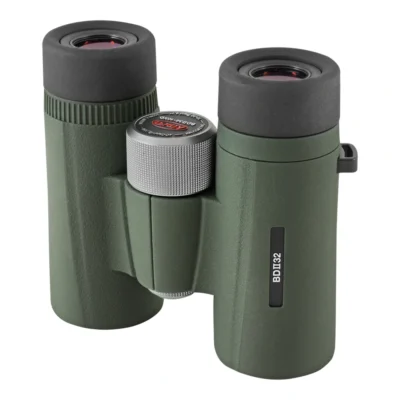
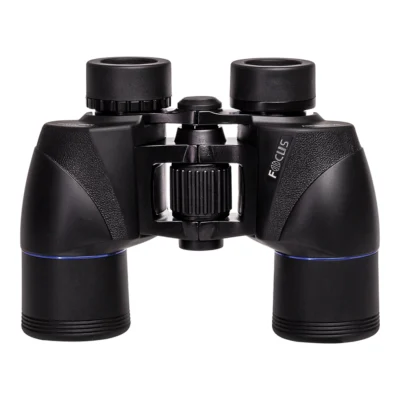
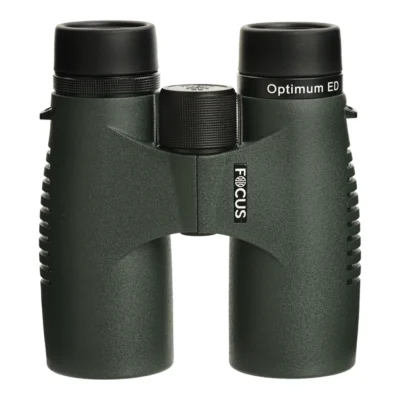
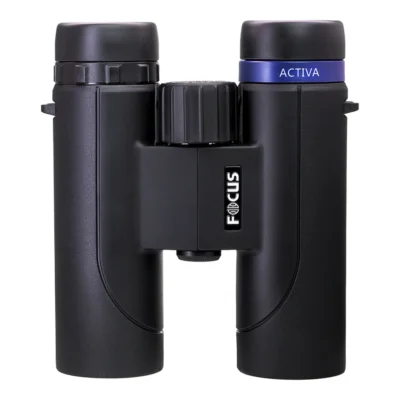
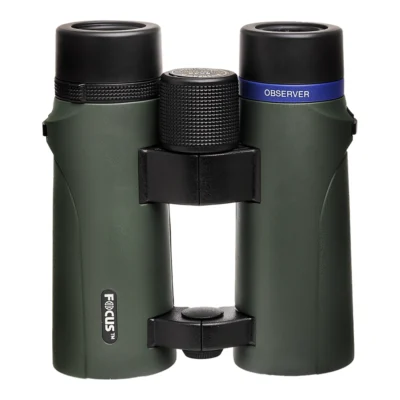
Nature binoculars are what most people mean when they say binoculars. They need to work on an early morning by a bird lake, a wet day in the mountains and an evening on a hunting stand. They will, as long as magnification, objective size and weight suit how you actually move outdoors.
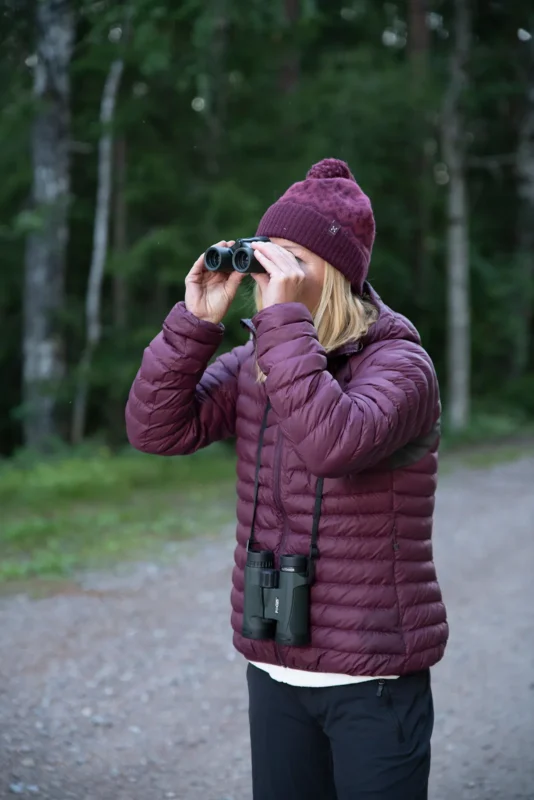
8x or 10x?
It is the most common question, and the difference is bigger than two steps of magnification suggests.
An 8x is easier to hold steady, has a wider field of view and gives a brighter image with the same objective. It suits woods and scrub where birds are close and quick. You find them faster and lose them less often.
A 10x shows more detail at a distance. It is better over open fields, wetlands and water, where your subject sits still further away. Every shake shows more, and the image is a little darker.
If you are unsure, 8x is the safer choice for a first pair. Many birders who own two optics have an 8x for the woods and a spotting scope for the really distant birds, rather than a 10x.
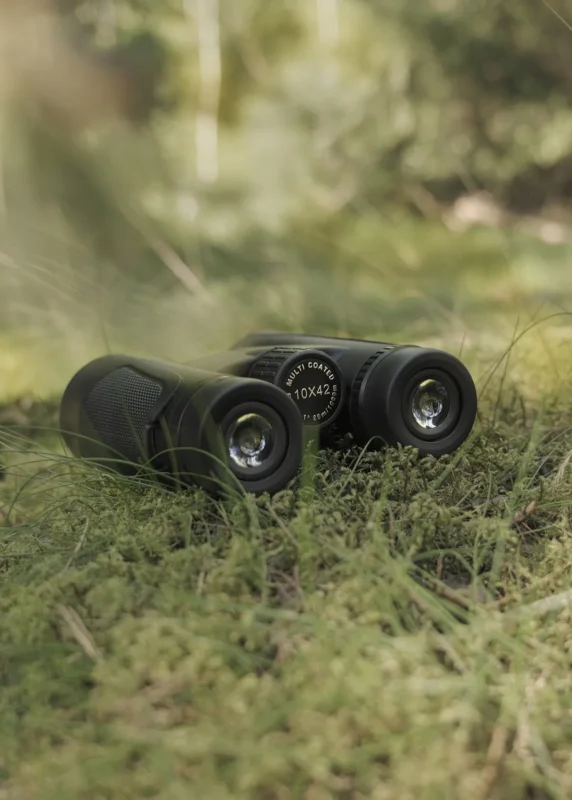
Objective size: 32, 42 or 50 mm and up
The objective decides both light and weight. The choice comes down to the time of day you are out.
| Objective | Strength | Weakness | Suits |
|---|---|---|---|
| 30-33 mm | Light and compact, good on long walks | Darker at dusk | Hiking, travel, daylight |
| 42-44 mm | Good balance of light and weight | You feel it on your neck after a full day | Birding, all-round |
| 50-56 mm | Brightest at dawn and dusk | Heavy and big | Hunting from a stand, evening viewing |
The twilight factor measures how much detail you see in poor light. It is the square root of magnification times objective. An 8x42 lands around 18 and an 8x56 around 21. The higher the number, the better at dusk.
Age matters too. The eye's pupil opens less as we get older, so an older user gains less from a very large exit pupil than a twenty-year-old does.
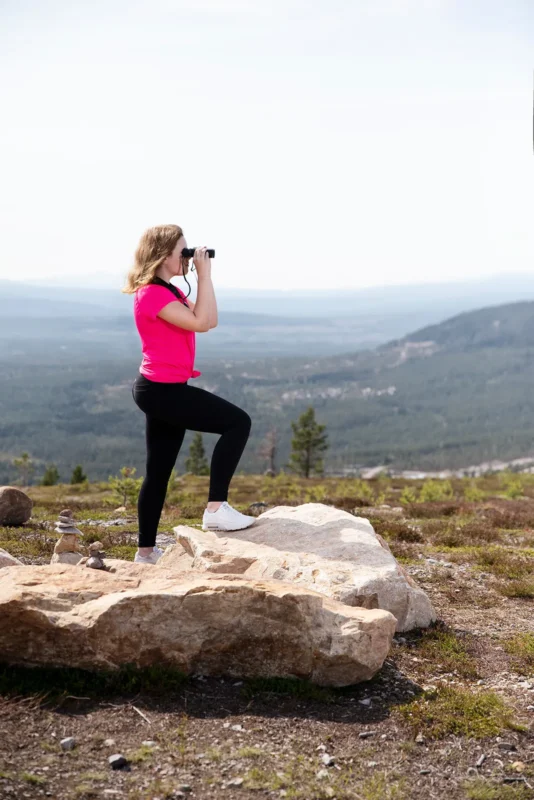
Field of view and close focus
A wide field of view makes binoculars more relaxed to use. At 1000 metres a good 8x42 shows around 120 to 140 metres across, while a 10x is usually lower. You notice it when searching for a bird in a treetop.
Close focus is the shortest distance the binoculars can focus. Many nature binoculars manage around two metres, some even closer. That makes them useful for butterflies, dragonflies and flowers, a fun side of binoculars many people miss.
Birding, hunting and hiking
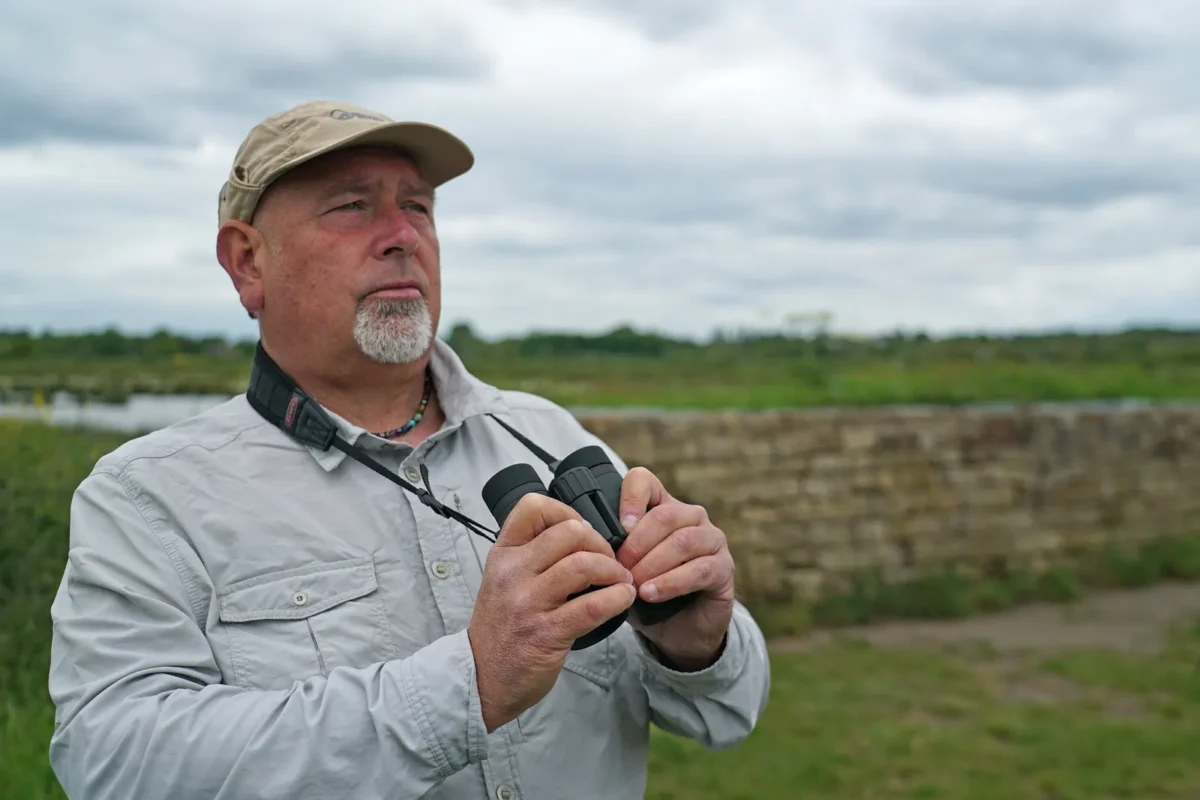
Birding
Here 8x42 or 10x42 is standard. The binoculars should hang on your neck all day and show natural colours, since plumage is often what separates two species. ED or XD glass helps against colour fringes against the light. A harness instead of a strap takes the load off your neck.
Hunting
On a stand at dusk, light matters most. An 8x56 or 10x50 gives you more to work with in the last half hour. For stalking and driven hunts, low weight and a wide field count for more, and an 8x42 works better.
Hiking and mountains
Weight decides. An 8x32 or 10x32 weighs clearly less than a 42 mm and fits the chest pocket of a harness. Choose a waterproof model, because mountain weather turns quickly.
Higher power and tripods
Above 10x it gets hard to hold the image steady by hand. A 12x or 15x works with your elbows braced, but binoculars such as a 20x60 need a tripod to be any use. They can stand in for a spotting scope for someone who wants to look with both eyes.
Many nature binoculars have a thread in the hinge for a tripod adapter. Even an ordinary 10x gets much better on a tripod if you stay put for a long time, say by a bird lake.
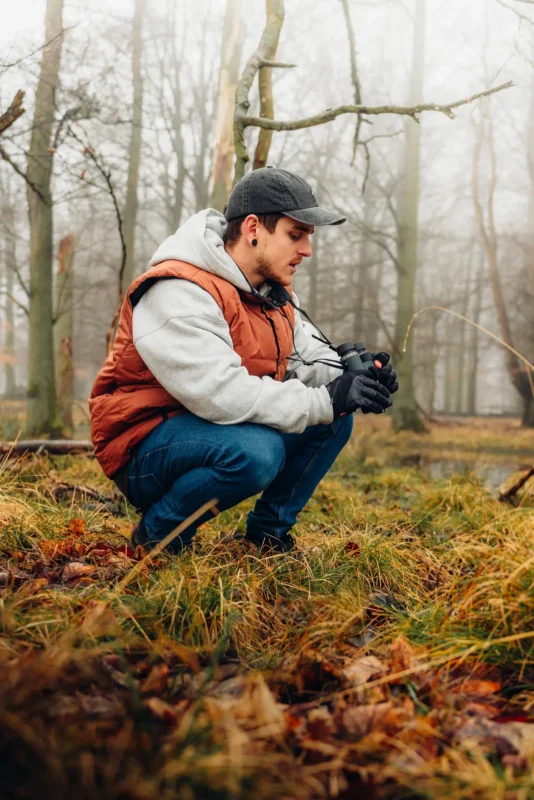
How to compare binoculars in practice
The numbers on the box do not tell the whole story. Look towards a bright window or sky with dark branches in front. If you see colour fringes and a grey haze around the branches, the binoculars handle backlight less well.
Look at the edge of the image. On simpler binoculars the edges blur early, on better ones sharpness holds further out. Turn the focus wheel from near to far and feel whether it runs evenly and without play.
Hold them for a couple of minutes. The pair you can be bothered to lift twenty times in a morning will see more than the pair left in the bag.
Frequently asked questions about nature binoculars
Which binoculars are best for birdwatching?
Nature binoculars in 8x42 or 10x42 are standard. 8x is steadier and has a wider field in woodland, while 10x shows more detail over open ground and water. Waterproof with ED or XD glass is a good choice.
Should I choose 8x42 or 10x42?
8x42 suits most people and is the safest first choice, as the image is steadier and brighter. 10x42 is better if you mostly look far across open country and have steady hands.
Which binoculars suit hunting at dusk?
Binoculars with a large objective such as 8x56 or 10x50 give the most light at dawn and dusk. For stalking and driven hunts a lighter 8x42 is better.
What is the twilight factor?
The twilight factor measures how much detail binoculars show in poor light. It is the square root of magnification times objective diameter. An 8x42 is about 18 and an 8x56 about 21.
Do binoculars need a tripod?
Up to 10x most people manage without. Higher power such as 20x60 needs a tripod, and even regular binoculars give a calmer view on one if you stay put. Many nature binoculars have a thread for a tripod adapter.