


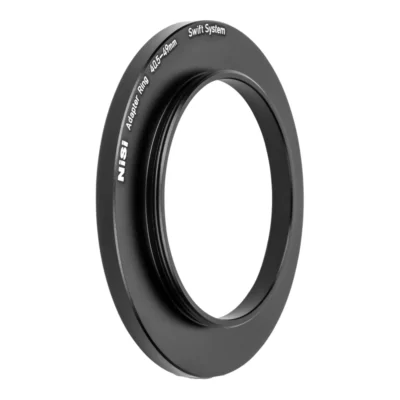


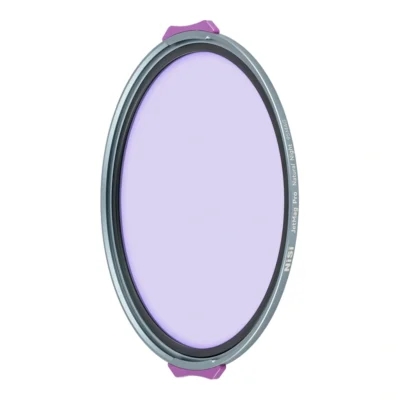












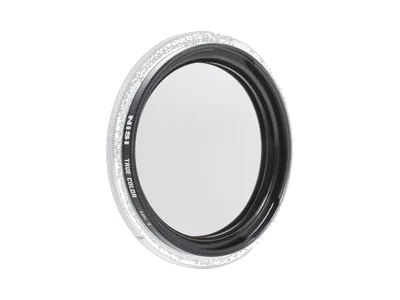
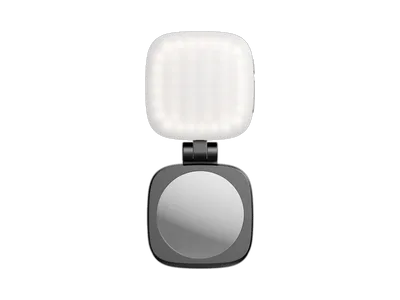
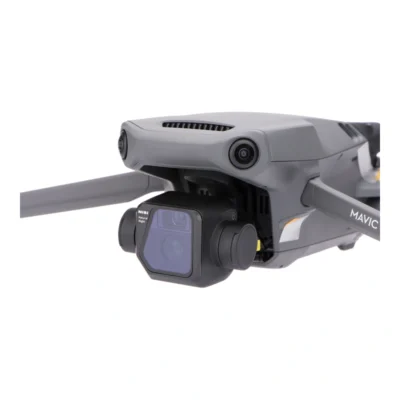
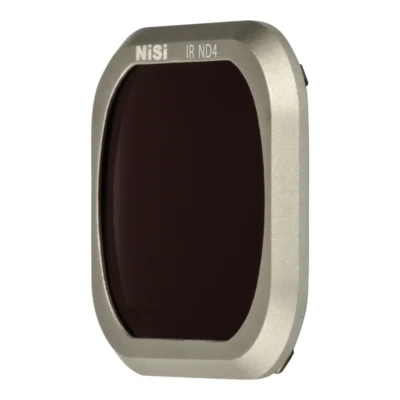
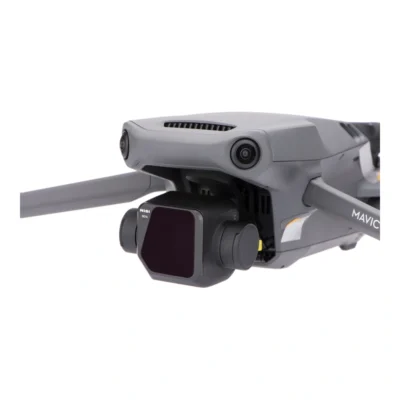
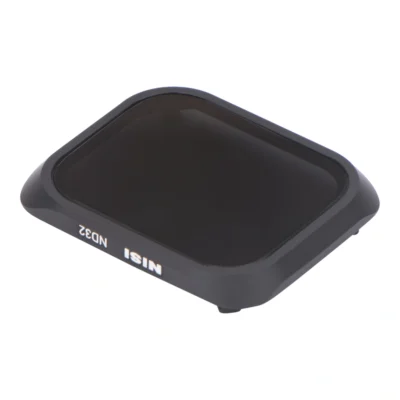
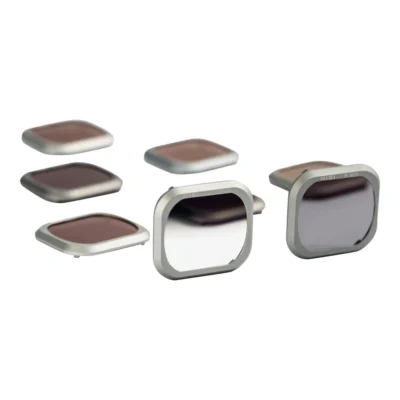
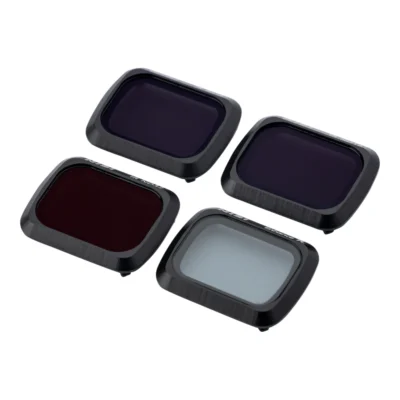
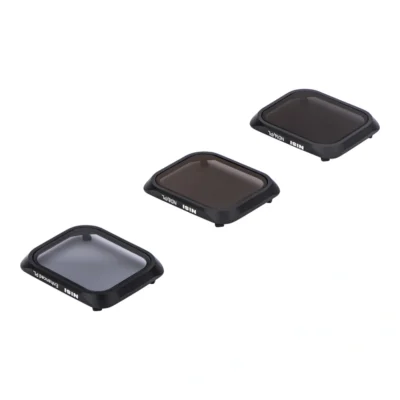
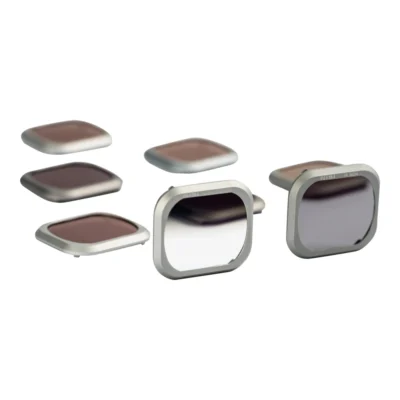
A drone camera often has a fixed aperture, so ND filters are the way to get a longer shutter speed and smoother motion in the video in daylight. Polarising filters reduce reflections from water, and GND holds back a bright sky. The filters sit directly on the camera and are made for a single drone model, so choose by your drone.
Read more about drone accessories





The accessories that make the most difference
A drone often comes in a bundle with batteries, a charger and a bag. What is missing are the things that make the pictures better and the flying safer: filters for the camera, a clean surface to take off from and enough power for a whole day out. That is where we have focused our range.
Read the full model name when choosing, including suffixes such as Pro or S. The Air 2 and Air 2S, for example, take different filters in our range, and the landing gear for the Neo 2 fits no other drone. A landing pad is the only item that works with them all.
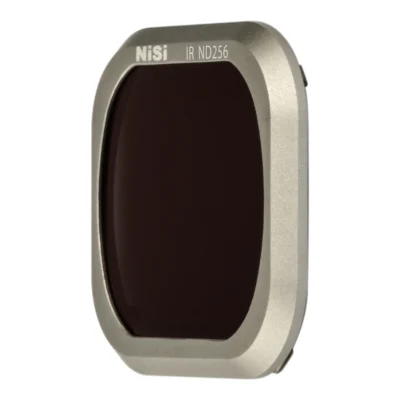
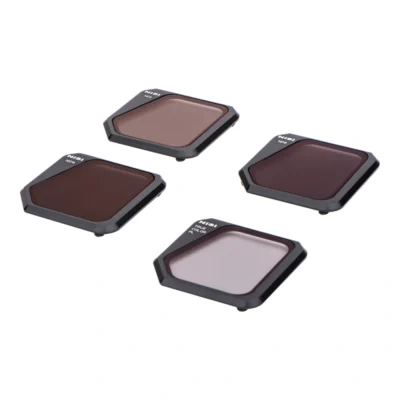
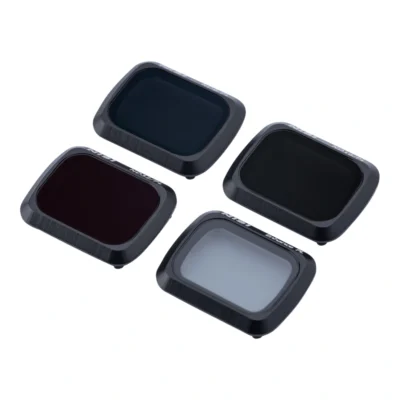
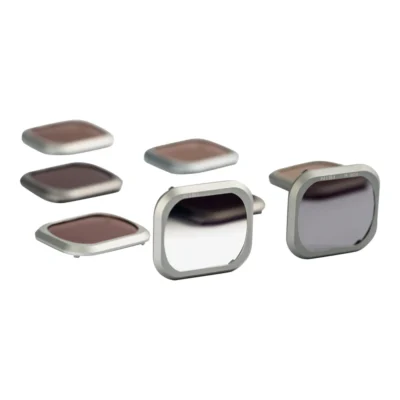
Filters for the drone camera
Most of the drone filters we sell come from NiSi and clip straight onto the front of the camera. They are made of optical glass with a thin aluminium frame and weigh very little, a couple of them only 1.5 grams. Weight matters, because the gimbal is calibrated for the camera without extra load.
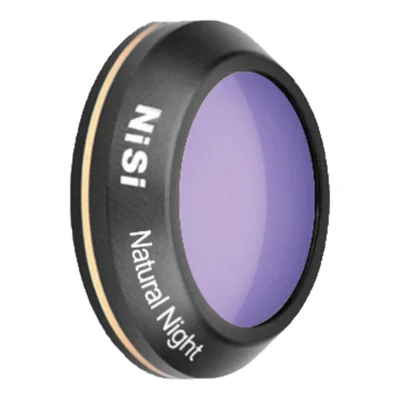
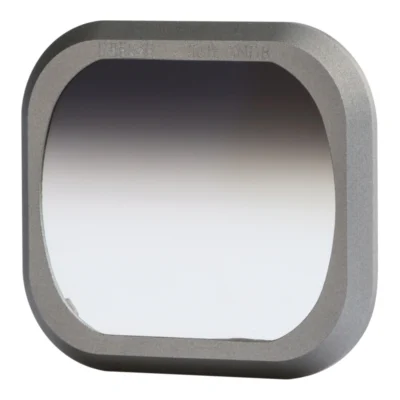
Besides ordinary ND and ND/PL filters there are a few more specialised options. NiSi's Dark ND kit with ND256 and ND1000 lets you expose for a second or longer from the air in the middle of the day, for example to make water and clouds blur. The GND filters come with both soft and hard transitions. Natural Night filters reduce the light from sodium lamps and other light pollution in night shots over towns and roads.
The filters are sold singly and in kits. A starter kit is enough for most people filming in daylight, while the larger kits give more strengths to choose from as the light changes.
Which ND strength you need, and how filters are used to get the right shutter speed for video, is covered in our guide to drone filters. For DJI's action cameras there is a separate NiSi kit with ND and polarising filters.
Landing pads and landing gear
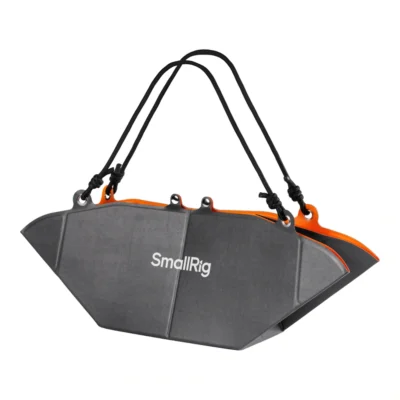
Dust, sand and dry grass cause the most trouble at take-off and landing. The propellers blow up whatever lies on the ground, and it can get into the motors and gimbal or scratch the camera glass. A landing pad gives a clean, flat surface to lift off from. SmallRig's pad folds up, has its own bag and suits DJI's Mini, Neo, Air and Avata. It also makes the take-off point easy to find again on the way back.
Landing gear solves the same problem another way. It lifts the body and propellers a little off the ground, so grass and uneven ground do not get in the way at take-off. SmallRig's landing gear for the Neo 2 folds together with the drone's arms, so it still goes in the bag.
We think the pad is the better buy if you often fly from beaches or gravel tracks. On lawns, landing gear is often enough.
Batteries, charging and memory cards
One drone battery usually lasts for a fairly short flight, so most pilots want two or three. A charger that takes several batteries and runs on USB-C lets you charge from a power bank in the car between flights. You will find those among chargers and power banks.
The drone records to microSD. The card has to handle the drone's highest bitrate, and what the markings on the card mean is explained under memory cards.
Before you fly
Check that the filter is firmly in place before take-off. A filter that comes loose in the air is gone. Fit it with the gimbal switched off or locked so you do not strain the motors, then power up the drone.
In Sweden most people flying a drone with a camera need to register as an operator with Transportstyrelsen, the Swedish Transport Agency, and many drones also require a drone licence. Read up on the rules for your drone and where you may fly before taking it on a trip.
Frequently asked questions about drone accessories
Which accessories does a drone need?
Extra batteries and a charger for several batteries are what most people miss first. After that, an ND or ND/PL filter for better daylight video and a landing pad if you fly from sand or gravel. A fast microSD card is needed too.
Do drone filters fit every drone?
No. The filters attach directly to the camera and are made for one model, such as the Mavic 3 or Air 2S. Check the full model name before ordering.
Do I need a landing pad for my drone?
It is not essential, but it protects the motors, gimbal and camera glass from dust and sand blown up by the propellers. It is most worthwhile when flying from beaches, gravel or dry ground.
What does a night filter do on a drone?
NiSi's Natural Night filters reduce the light from sodium lamps and other light pollution. Night shots over towns and roads get more neutral colours.
Does a filter affect the drone's gimbal?
A heavy filter can strain the gimbal, which is calibrated for the camera without extra weight. Filters made for drones are therefore very light, some only 1.5 grams. Fit the filter before powering up the drone.