
















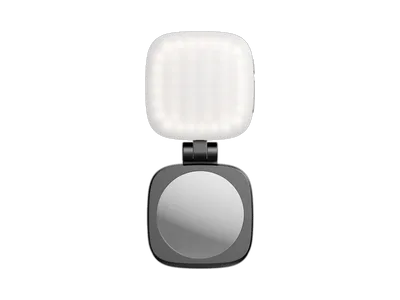
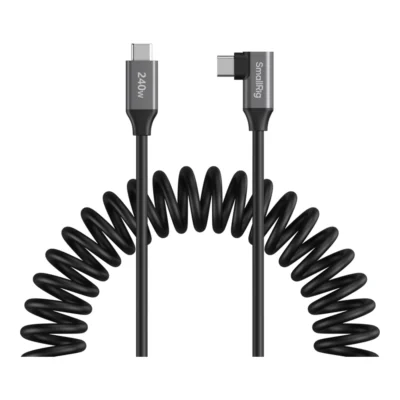
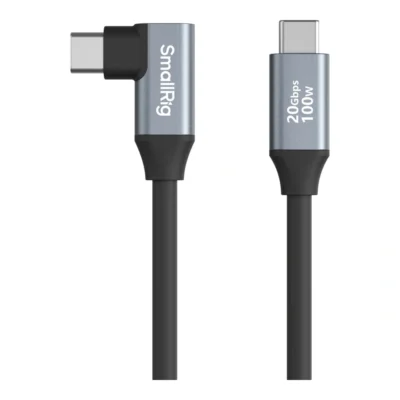
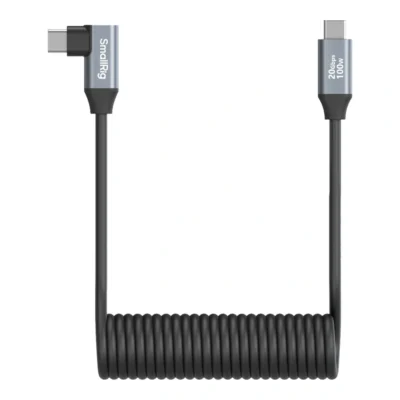
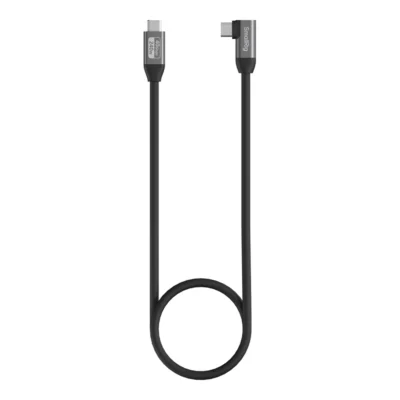
Cables on a rig should be short and sit securely, so they do not snag or pull on the ports of the camera. Angled plugs take up less space when the cable runs from the camera to the monitor, and coiled cables stretch as you move. Power cables share power from one large battery between several accessories. Check the connector type and length before you order.
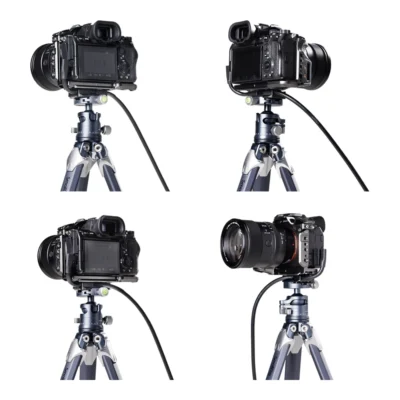


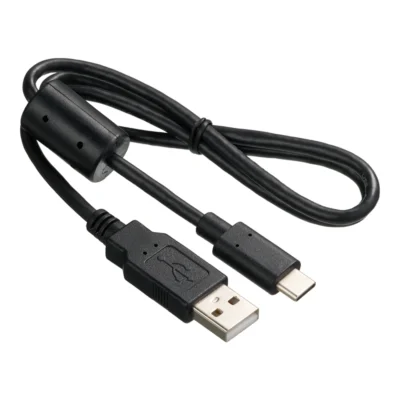
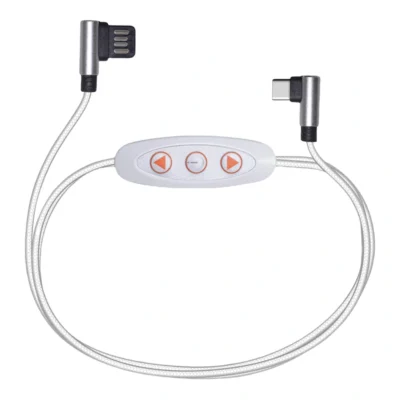


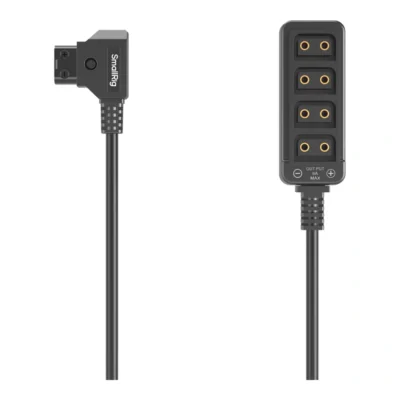
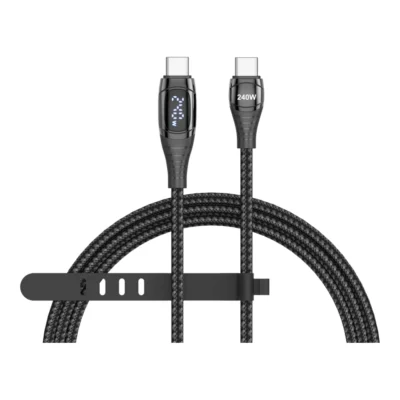


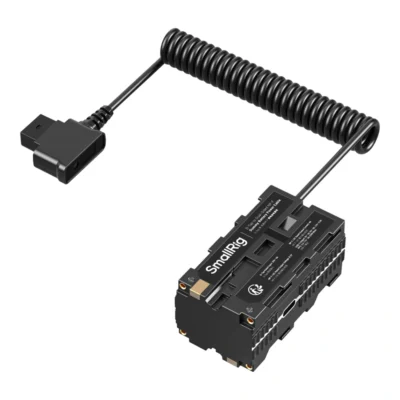


Tether cables for shooting to a computer
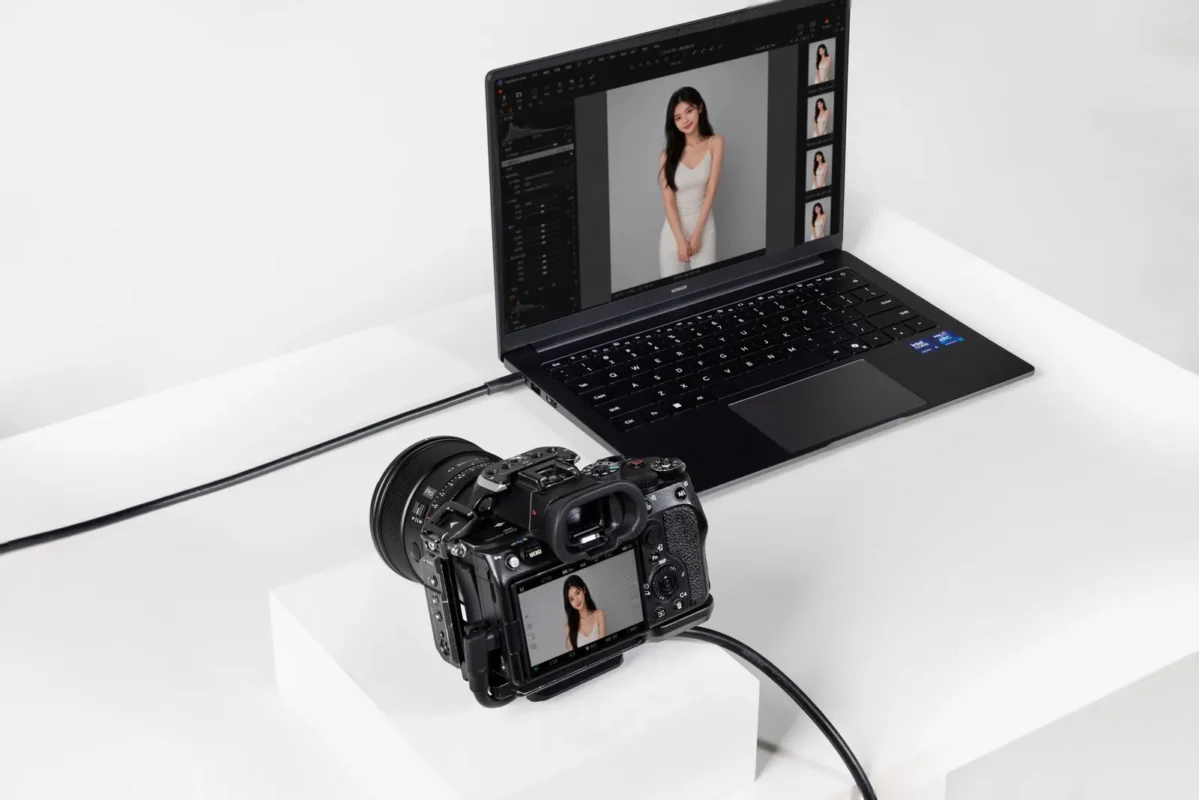
Shooting tethered means the camera is connected to a computer by cable, and every frame appears on the screen the moment it is taken. It is mostly used in the studio and for product photography, where a client or art director wants to see the image large and where focus and light are checked shot by shot.
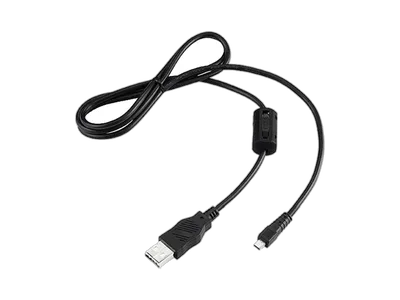
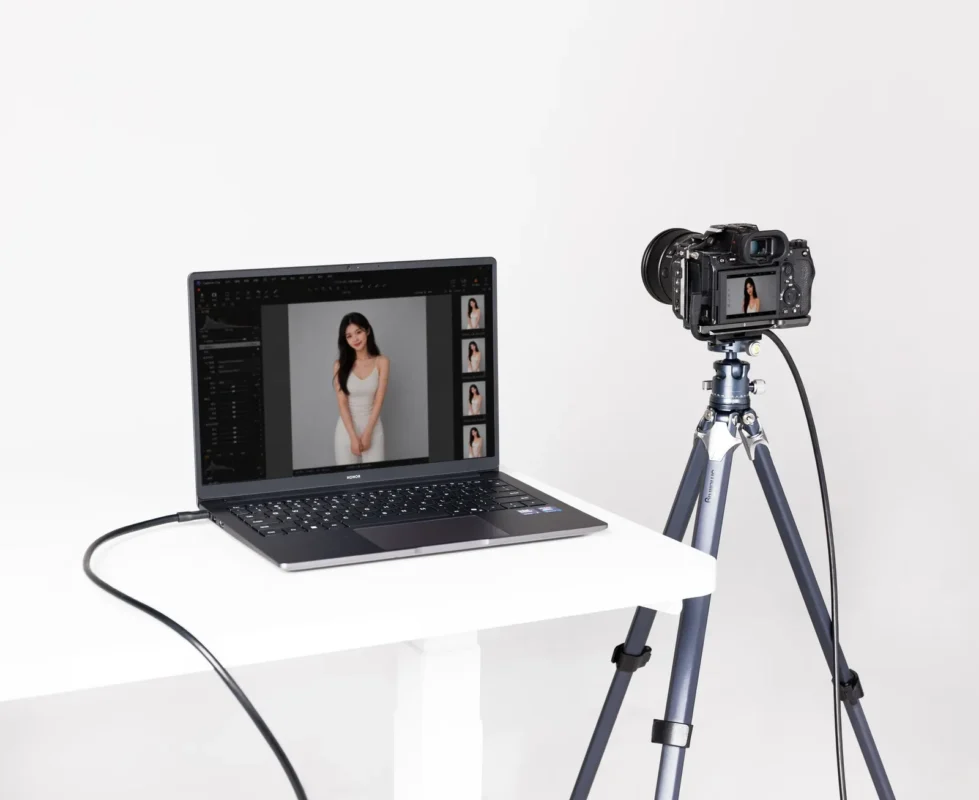
A tether cable is a USB cable built to stay in the camera for a whole session, usually longer than the one supplied with the camera, so you can move around the tripod without the computer getting in the way. The connection has to be stable all the time. A dropout mid-session can mean a frame never arrives or the software loses the camera.
The cable is the part that takes the most abuse in a studio. People step on it and it gets dragged round corners. Route it so it does not hang freely from the camera port, ideally with a clamp or a loop round the tripod, and neither plug nor port will be damaged if someone trips.
USB-C cables look the same but are not
Every USB-C cable has the same plug, but what passes through it varies a lot. A cheap charging cable may handle power yet only slow data. A data cable for camera work states both speed and power.
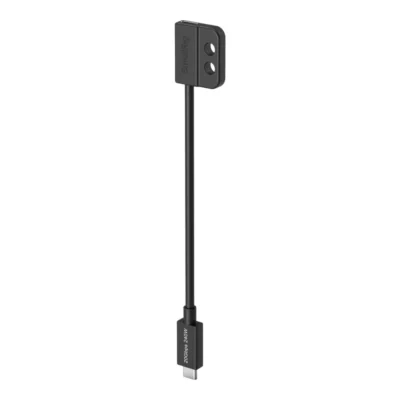
Our SmallRig cables come in several levels. 20 Gbps is plenty for emptying cards and moving files from an external SSD. 40 Gbps is needed for the fastest SSDs and docks, and cables in that class also carry 8K video to a display. For charging, power is given in watts. 100 W covers most laptops and power banks, and 240 W is the most USB-C PD allows today. A cable with a display shows how much is actually flowing, which is an easy way to find out whether the adapter or the cable is holding things back.
An extension with a male plug at one end and a female socket at the other helps when the camera port is awkward to reach inside a cage.
Dummy battery: running the camera on external power
A dummy battery looks like the camera's battery but is empty inside. A cable runs out of the battery compartment to a bigger power source instead. The camera can then run for hours without a battery swap, which you need for timelapse, live streaming and long interviews.
SmallRig's cable for Canon has an LP-E6P style dummy battery at one end and a D-Tap plug at the other, so it runs from a V-Mount battery. It has protection against overvoltage and overheating. For monitors and accessories that take NP-F batteries there is a D-Tap cable with two NP-F dummy plates, a DC output and a USB-C port.
For Pentax there is a USB adapter from Pentax that powers the camera over USB-C. It suits studio work and streaming, where the camera stays put near a socket.
D-Tap and power on the rig

D-Tap is the flat connector on V-Mount batteries and battery plates. It delivers the battery's full voltage, often around 14 V, and is used for monitors, wireless transmitters and focus motors. Always check that the accessory can handle that voltage. An ordinary camera cannot, which is why power to the camera goes through a dummy battery with its own voltage conversion.
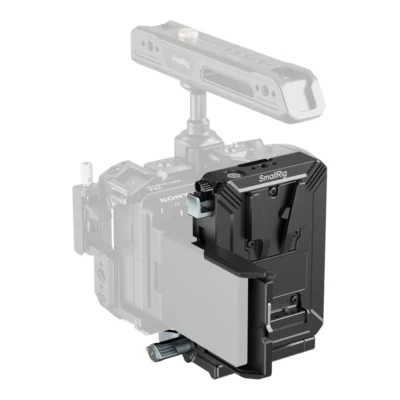
A battery rarely has enough outputs for everything. A SmallRig D-Tap splitter turns one input into four. To charge a phone or other USB-C gear from the rig, there are cables from D-Tap to USB.
Smaller rigs often use an adapter plate for NP-F batteries instead of V-Mount. SmallRig's plates support UPS, uninterruptible power, meant to stop the camera and monitor shutting down unexpectedly. That is the difference between carrying on recording and starting over.
Cables made for one camera
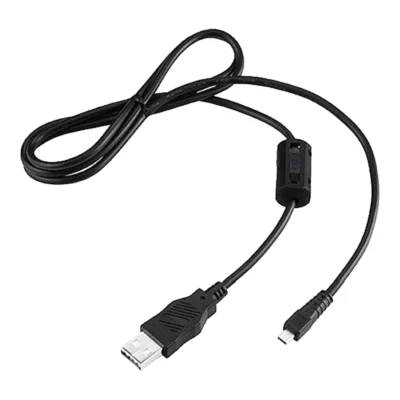
Some cameras have their own connectors or need a particular cable. For certain Ricoh and Pentax cameras we carry the maker's own USB cables, with USB-C for data and a type D HDMI plug for showing pictures on a screen. Laowa has a USB-C cable that powers the light on its 24 mm probe lens.
When a cable is made for a specific product, the name says so. If you are unsure which connector your camera has, the manual will tell you, or ask us before you order.
Frequently asked questions about cables
What is a dummy battery?
An empty battery shell that goes in the camera's battery compartment and connects by cable to a bigger power source, such as a V-Mount battery via D-Tap or a socket via USB-C. The camera can then run for hours without a battery swap. The dummy must have the same format as the camera's battery.
What is a tether cable?
A USB cable that connects the camera to a computer during the shoot, so the pictures appear on screen at once. It is built for a stable connection over long sessions. It is most common in studios and for product photography.
Can D-Tap be connected to USB?
Yes, with a cable or adapter that converts D-Tap to USB or USB-C. That lets you charge a phone or run USB accessories from a V-Mount battery. Never connect D-Tap straight to a device that is not made for the battery's voltage.
Does it matter which USB-C cable I use?
Yes. Cables differ in data speed and in how much power they can carry. A fast SSD needs a 20 or 40 Gbps cable, and fast laptop charging needs a cable rated for 100 or 240 W.
What does UPS mean on a battery plate?
UPS stands for uninterruptible power supply. The plate is meant to keep power flowing to the camera and accessories, so nothing shuts down unexpectedly in the middle of a recording.