
















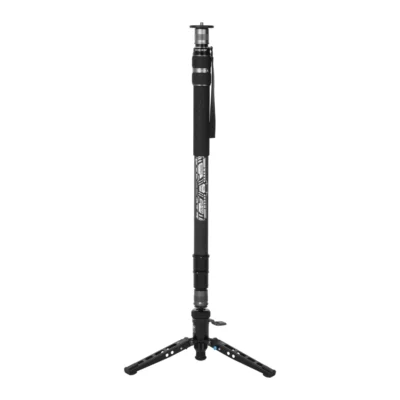
A monopod carries the weight of camera and lens but takes less space and moves faster than a tripod. It is used for sport, wildlife and events, where you follow the subject. With feet the monopod stands on its own, which helps when you film. Compare height, load capacity and how short it folds.
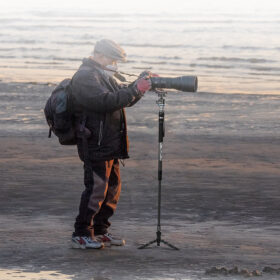


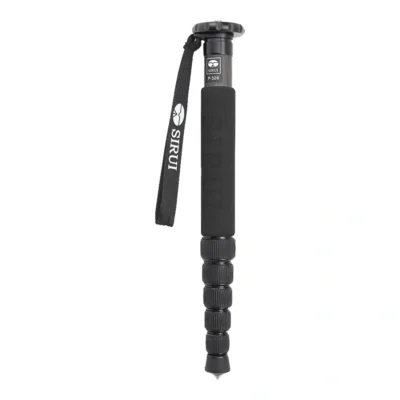
A monopod is a tripod with a single leg. That sounds like a compromise, and in a way it is. But for anyone shooting sport, birds or events with a heavy lens it is often more useful than a real tripod, because it moves as quickly as you do.
When a monopod is the right choice
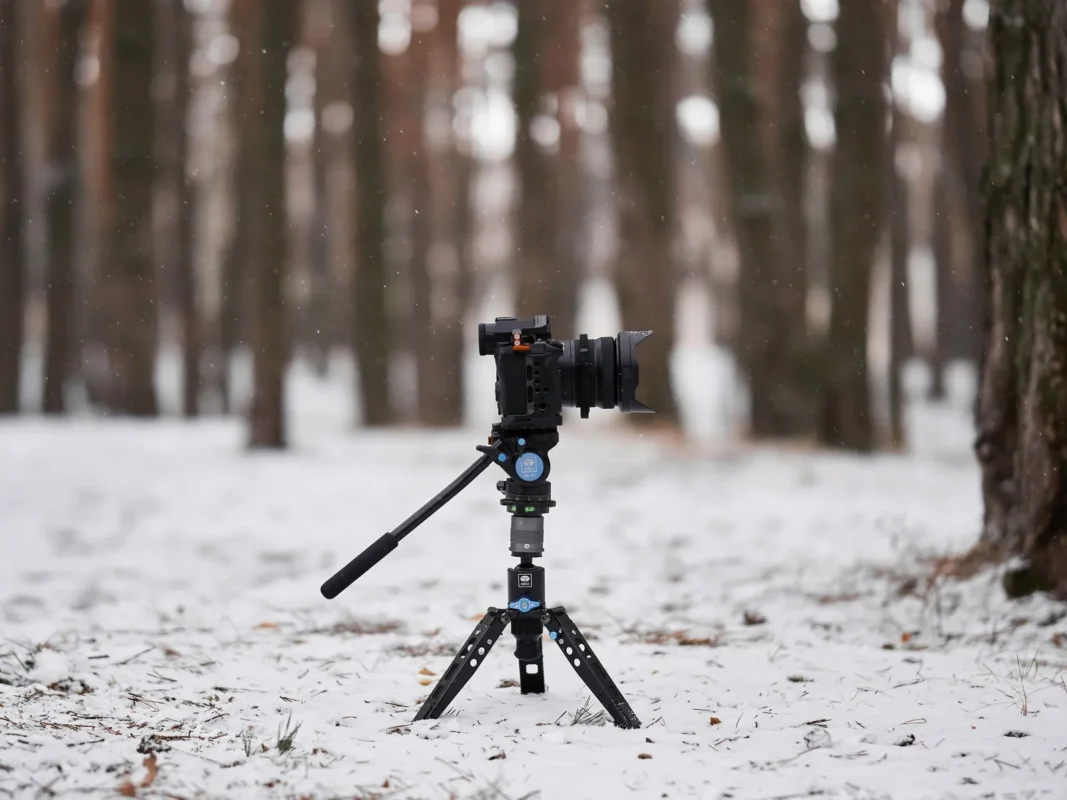
A monopod carries the weight. That is its main job. A telephoto lens of two or three kilos gets heavy in your arms after half an hour, and the shake grows with fatigue. With a monopod the weight rests on the ground and you can keep the camera up for a whole match.
It steadies the camera too, but not like a tripod. Expect to gain a couple of stops of shutter speed compared with shooting handheld. For long exposures, night shots and waterfalls with blurred water you still need three legs.
It takes little space. On the sideline, in a crowd or on a narrow path it stands where a tripod will not fit. Some arenas and events ban tripods but allow monopods. Rules vary, so check beforehand.
Monopods with feet and a pedal
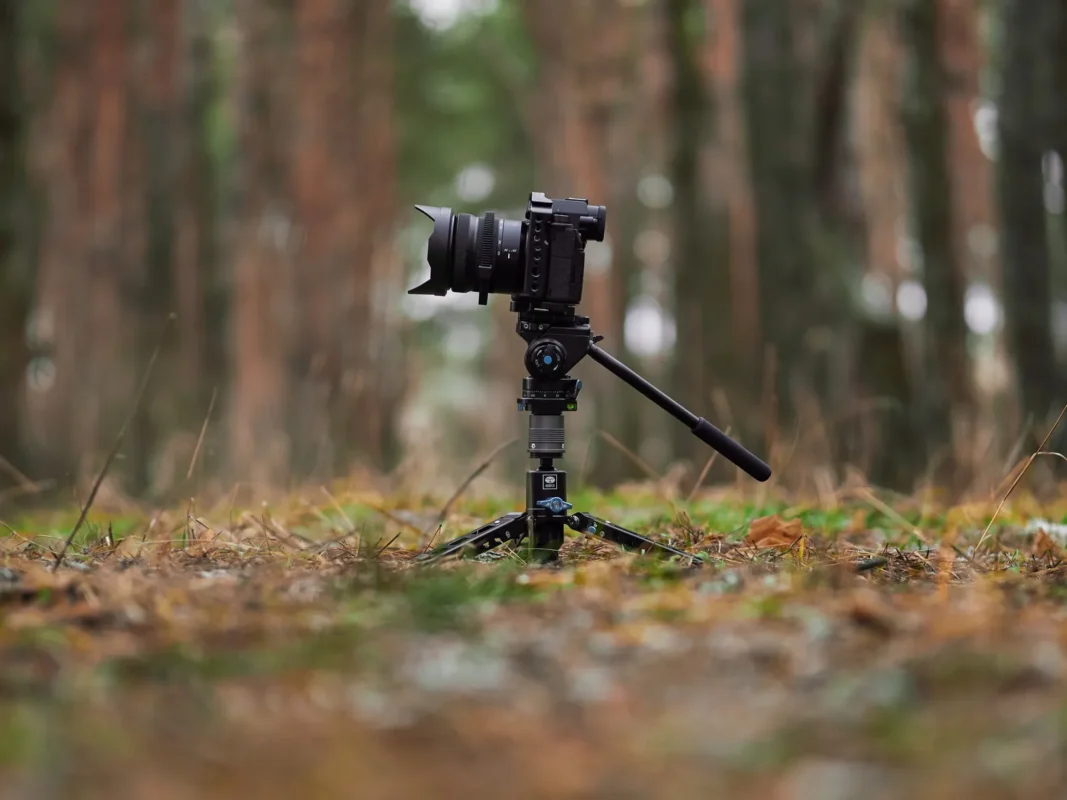
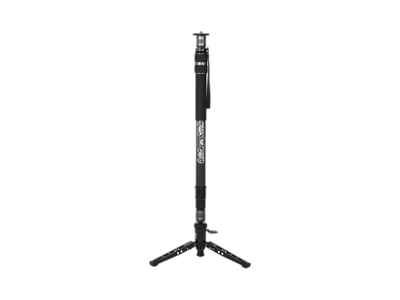
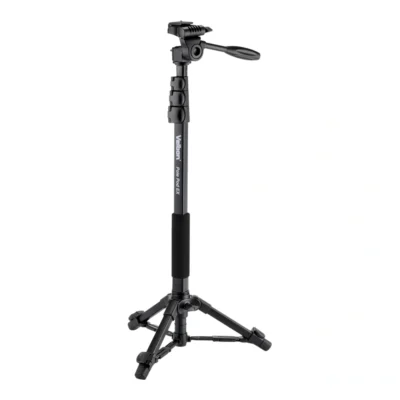
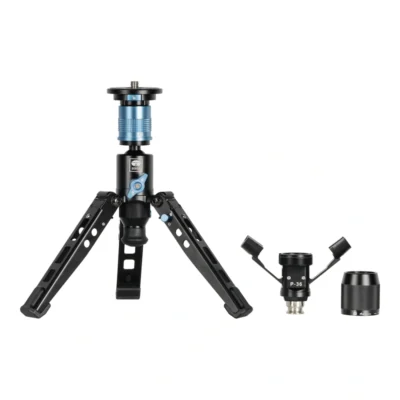
Some monopods have three small feet at the bottom. They let the monopod stand upright for a moment while you change a memory card or check the viewfinder, and they help a great deal when filming. The feet sit on a joint so the leg can lean and pan while the feet stay on the ground.
On models with a pedal you lock and release the joint with your foot. Then you can go from leaning to upright while both hands stay on the camera. Sirui has monopods with pedal and feet, including camouflage versions for nature and hunting.
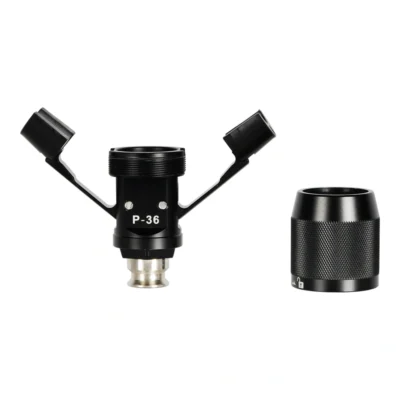
Never leave a monopod with feet standing alone with a heavy camera on it. The feet are small and will not survive a gust or a nudge. Separate feet are also available that make an ordinary monopod steadier, and some double as a small tabletop tripod.
A head on the monopod
Many people use a monopod with no head at all. The camera or the lens's tripod foot screws straight onto the top, and you lean the whole monopod to change the angle. It is the simplest and quickest way.
A tilt head is the next step. It lets the camera tip forward and back while the monopod stays upright, which is what you need to shoot up at a bird in a tree or down at something on the ground. Sideways movement comes from turning the monopod.
A ball head works as well, but the camera easily flops to the side when the lock is released. For filming, a small video head on a monopod with feet gives the smoothest moves. With an Arca clamp on top you can move the camera between monopod and tripod with the same plate.
Height and packed length
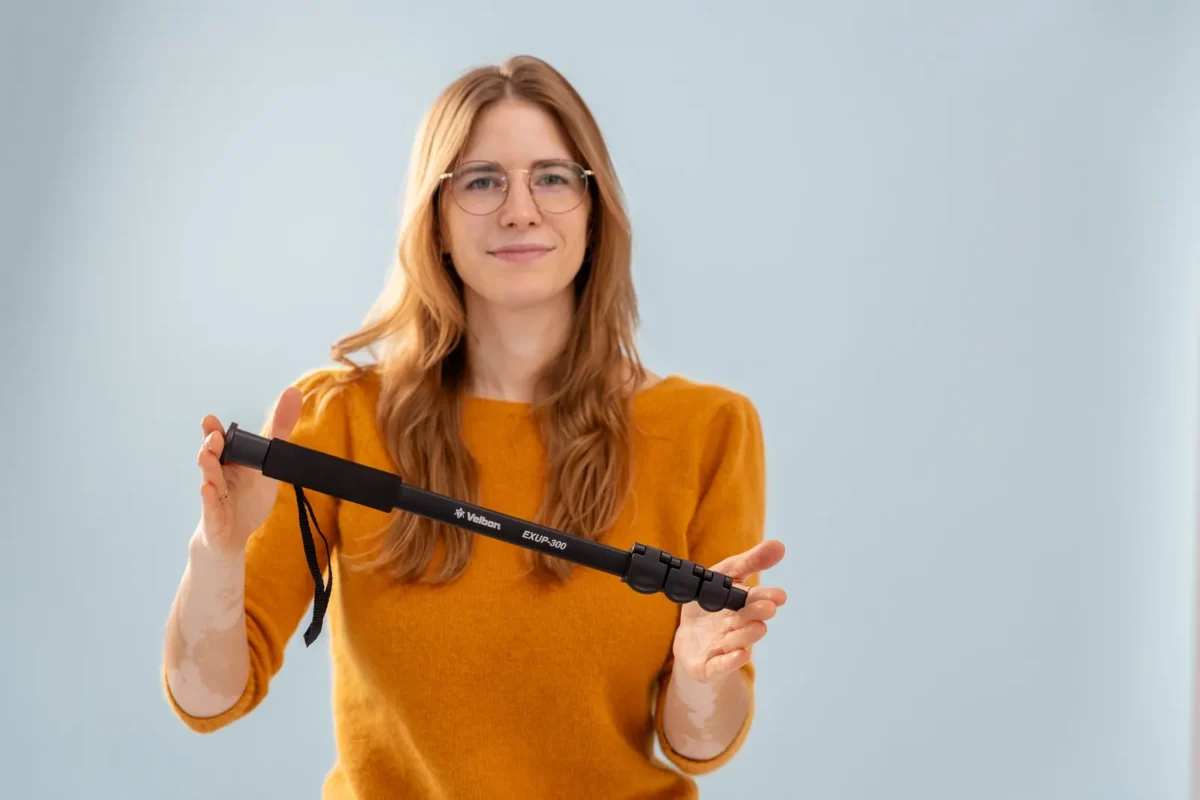
The monopod should reach eye level without you bending your neck, but remember that you often lean it slightly forward. Pick one that reaches a little above your own eye height when fully extended. With head and camera on top it ends up taller than you expect.
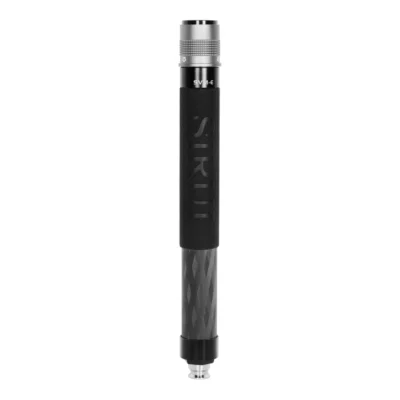
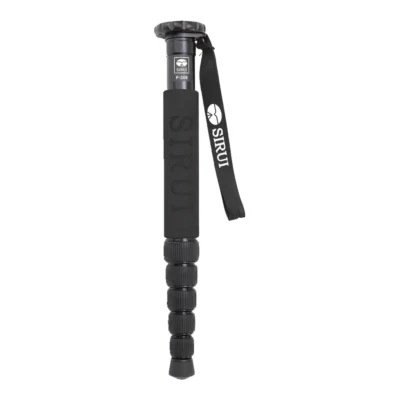
The number of sections sets the packed length. A six-section monopod can fold to around 40 cm and fit in a backpack. One with three or four sections is quicker to extend and stiffer, but longer. Sirui has monopods with the Rapid System for fast height changes, which is worth a lot on the sideline.
Carbon fibre is the most common material in this class and weighs least. That matters, since a monopod is often carried all day.
How to keep the camera steady on a monopod
Place the foot of the monopod a little in front of you and lean it towards you, so it forms one leg of a triangle with your own two. Your body becomes the other legs. With your feet apart and your elbow against your body, the camera is noticeably steadier than with the monopod straight up.
Rest your hand on top of the lens or camera, not around the monopod. Use a gentle shutter press or burst mode, and check the manual for how stabilisation should be set. On a monopod it usually helps, unlike on a tripod.
Poles and stands for 360 cameras
A 360 camera sees everything around it, including what it is mounted on. That is why thin poles and small stands are used, which almost disappear when the image is stitched. Ricoh makes both a pole and a small stand for its Theta cameras. An ordinary monopod with thick legs and a big head shows up much more in the image.
Frequently asked questions about monopods
What is a monopod used for?
For carrying the weight of camera and lens when you need to move, at sport, birdwatching and events for example. It gives steadier shots than handheld and takes much less space than a tripod.
Monopod or tripod, which should I choose?
A tripod is needed for long exposures and when the camera must be completely still. A monopod is better when the subject moves and you need to change position often. Many sport and nature photographers own both.
Can a monopod stand on its own?
An ordinary one cannot. Models with feet stand upright for a moment, but they should not be left alone with a heavy camera. The feet are there to help you, not to replace a tripod.
Does a monopod need a head?
No, the camera can screw straight onto the top. A tilt head makes it easier to angle the camera up and down while the monopod stays upright. For video, a small video head on a monopod with feet works well.
Does a monopod work for video?
Yes, especially one with feet and a video head. It gives smooth pans and moves quickly between takes. For long, completely still takes a video tripod is better.