
















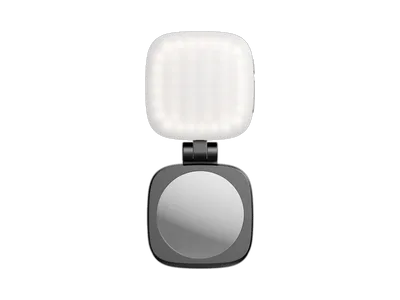
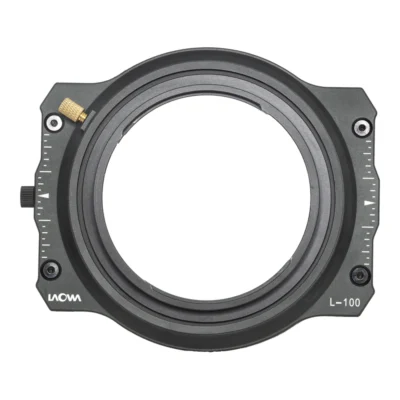
Here you will find what goes on or between lens and camera. A lens adapter lets you use a lens on a camera with a different mount, and is chosen by both the lens mount and the camera mount. A filter holder sits in front of the lens and takes square filters of a given width, so choose the filter system first and the holder after it.
Read more about lens accessories
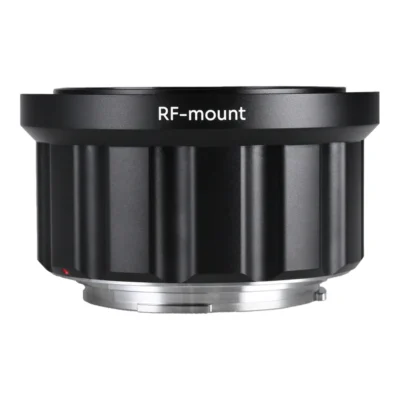
Lens accessories are the parts that protect a lens, support it or let it do more than it did out of the box. Many are made for one lens or one series. That makes them great when they fit and useless when they don't, so it pays to read up before you order.
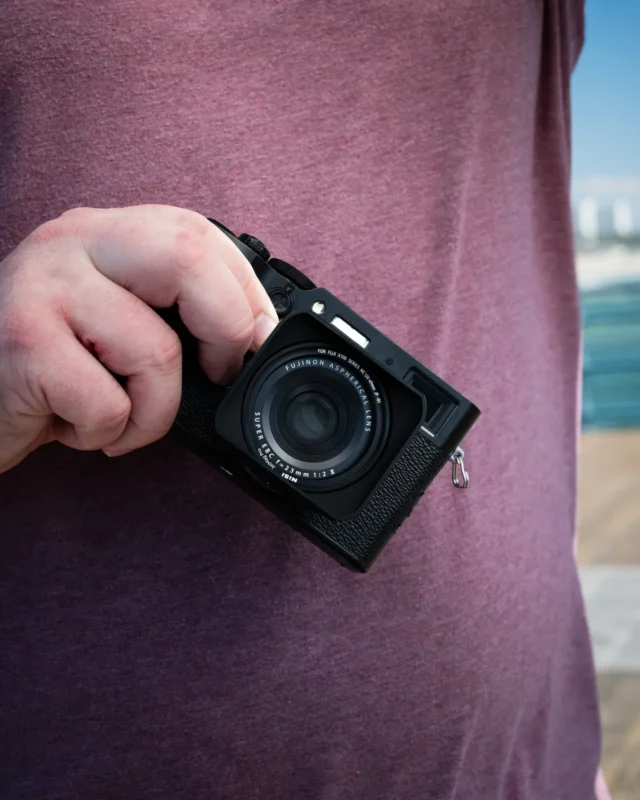
Lens hoods and caps
A lens hood shades the front element from light coming in from the side. Without one, the sun or a lamp outside the frame can cause flare and a grey, low-contrast haze. The hood also takes the knock if you walk into a door frame or drop the camera, and it is cheaper to replace than a front element.
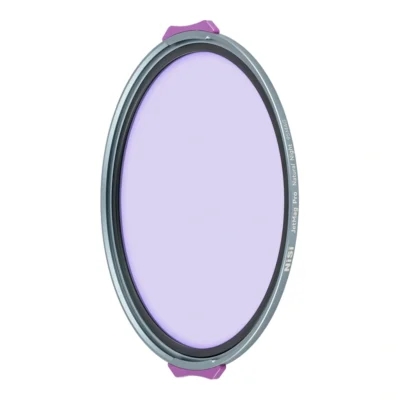
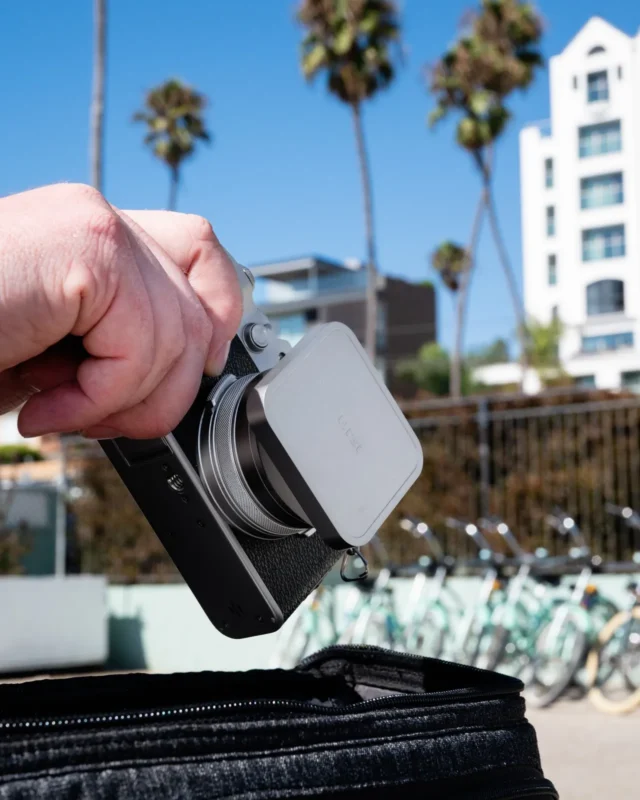
The shape follows the angle of view. A petal hood has cut-outs for the corners of a wider lens, while a round hood suits longer focal lengths. A hood from another lens can therefore darken the corners, even if it clicks on. For some compact cameras there are hoods in NiSi's magnetic JetMag Pro system, where a protection filter and a cap also attach by magnet.
Caps exist for the front and the back. The rear cap is the one people forget, but it protects the mount and the rear glass while the lens sits in a bag. Cine lenses have their own caps, for example for PL mount.
Protecting the front element
The usual protection is a UV or protection filter in the lens's filter thread, which our UV filter guide covers. This section is about lenses where it is not that simple.
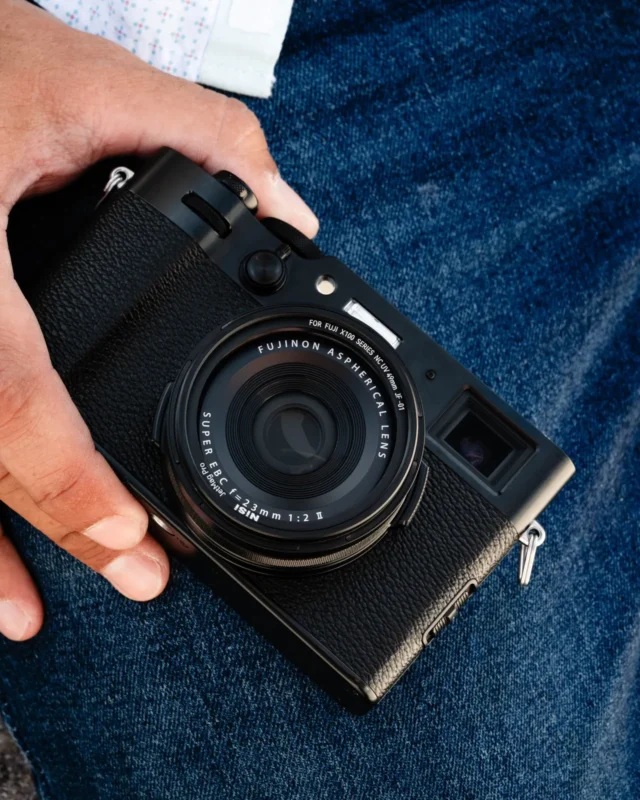
Compact cameras without a filter thread can take an adapter or a magnetic ring in front of the lens. That lets you add a protection filter, and often a hood and a cap from the same system. It is worth it if the camera rides in your pocket every day.
Specialist lenses such as probe lenses sometimes have their own clip-on protective glass. A scratched clip-on glass is a cheap fix. A scratched front element on a lens like that is not.
Support for heavy and long lenses
A heavy lens on a light camera strains the mount when everything sits on a tripod. A tripod collar around the lens moves the attachment point to the lens, so the setup balances better and the mount does not carry the weight. The collar also rotates, so you can switch between landscape and portrait framing without touching the tripod head.
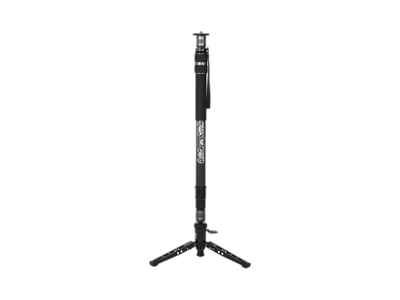
Shift lenses and long specialist optics such as probe lenses often need their own support. That might be a foot that screws into the tripod plate or a support that mounts on 15 mm rods in a cine rig.
Lens adapters and converters
A lens adapter lets you put a lens on a camera with a different mount. This group also includes interchangeable bayonets for cine lenses and optical converters that change the image circle or focal length. What can be adapted, and what you give up on the way, is covered in our lens adapter guide.
Do not confuse lens adapters with filter adapters. A filter adapter holds filters in front of the lens and does not touch the connection to the camera.
Filter holders
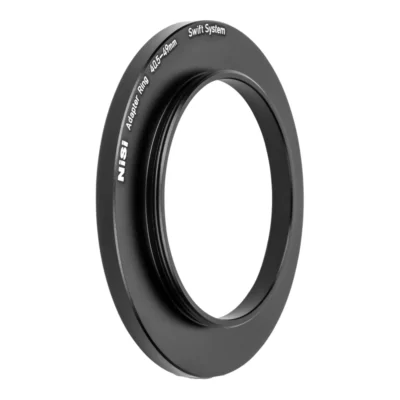
Square filters in 75, 100 or 150 mm sit in a holder in front of the lens. The holder attaches with an adapter ring in the filter thread or, on lenses without a thread, with a bracket made for that exact model. How to pick a holder for your lens is in our filter holder guide.
Finding the right accessory for your lens
Read what an accessory is made for before you buy. Hoods, tripod collars, lens supports and many filter holders fit only one model or series, and the product information says which. Caps and adapters depend on the mount or the filter diameter.
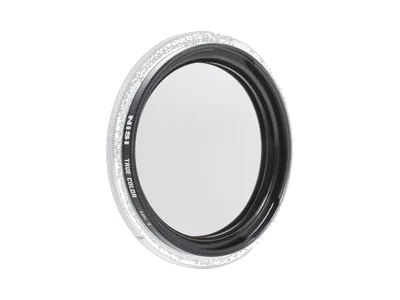
The filter diameter is usually printed on the front of the lens or inside the cap, as a circle symbol and a size such as 67 or 77 mm. You need it for protection filters, adapter rings and caps.
Lost a cap or a frame for your holder? Spare parts are sometimes sold separately, which is a cheaper way back to a complete kit than buying a whole new one.
Frequently asked questions about lens accessories
What counts as a lens accessory?
Lens accessories are the things that sit on or around a lens: hoods, front and rear caps, tripod collars, lens supports, lens adapters, converters and filter holders. Many are made for one model or mount.
Do you need a lens hood?
It is not required, but it improves contrast when light comes from the side and protects the front element from knocks. Use the hood made for your lens, since the wrong shape can darken the corners.
What is a tripod collar on a lens?
A tripod collar wraps around the lens and has a foot that mounts on the tripod. A heavy lens then carries its own weight instead of the camera mount, and you can rotate the camera between landscape and portrait framing.
What is the difference between a lens adapter and a filter adapter?
A lens adapter goes between lens and camera and lets you use a lens with a different mount. A filter adapter sits in front of the lens and holds filters, such as a holder for square filters.
Where do I find my lens's filter diameter?
It is usually printed on the front of the lens or inside the front cap, as a circle symbol and a size in millimetres such as 67 or 77. That size decides which screw-in filters, caps and adapter rings fit.