
















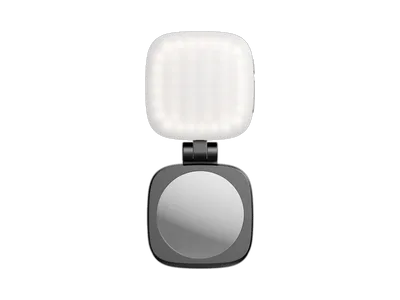
A camera rain cover goes over camera and lens so you can keep shooting in rain and snow. It is chosen by the length of the lens, and some covers need an eyepiece that fits the viewfinder of the camera. Rain covers protect the bag, and spare parts such as dividers, straps and screws keep a bag in use for longer.
Read more about rain covers & spare parts






Rain covers for the camera and for the bag
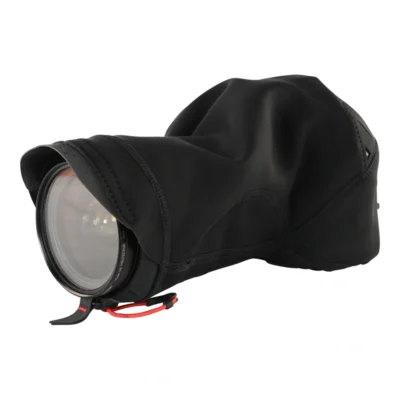
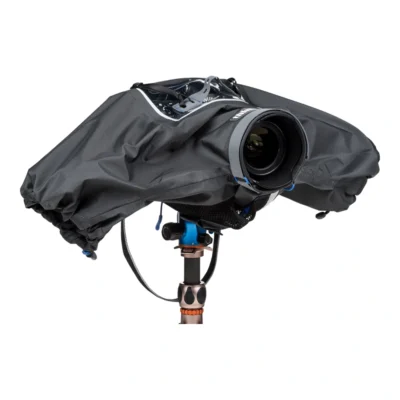
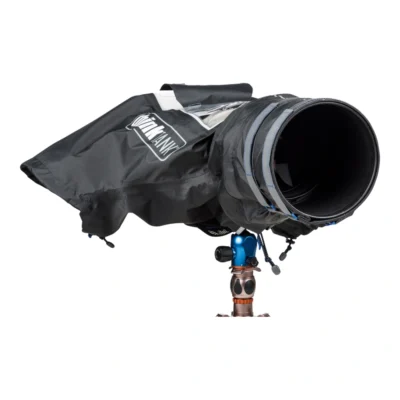
Two different things are called rain covers in this category. One goes over the camera and lens while you shoot. The other is a cover that keeps the bag dry. Neither replaces the other.
Weather-sealed cameras take a fair amount, but the sealing assumes a sealed lens on the body and rarely means hours in a downpour. A camera rain cover costs less than a repair.
| Type | How it works | Best for |
|---|---|---|
| Emergency rain cover | Thin, seam-sealed sleeve with a window for the screen, folds down to almost nothing | Keeping in the bag for surprise showers |
| Rain cover with sleeves | Heavier multi-layer fabric, sleeves for your hands and its own eyepiece at the viewfinder | Long sessions in rain, wildlife and sport |
| Stretch cover | Fitted, stretchy waterproof shell that hugs the camera | Smaller cameras, or keeping the camera ready inside a backpack |
| Bag rain cover | Pulls over the whole backpack or bag | Hiking and travel in steady rain |
Choosing a rain cover by lens length
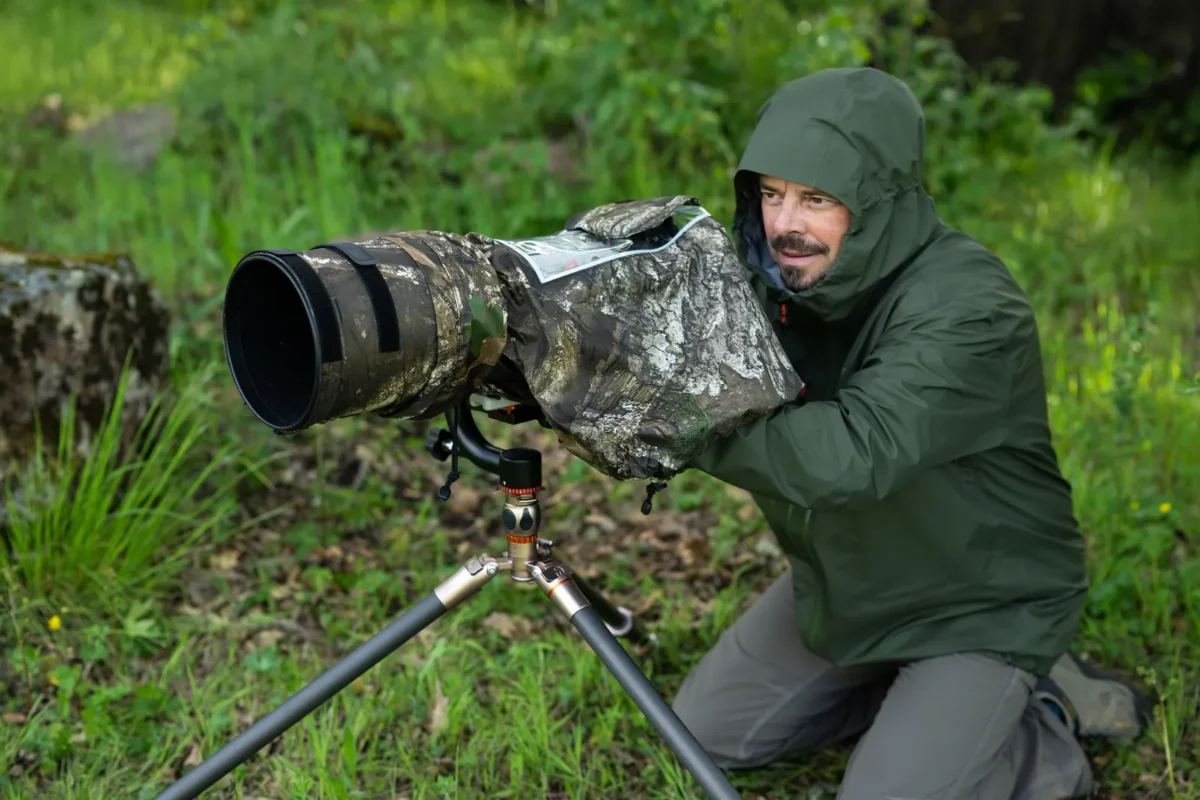
Size a camera rain cover by the length of camera and lens together, not by the body. Measure from the back of the camera to the front edge of the lens hood. That is what the cover has to reach over.
Think Tank sizes its covers for standard zooms, for 70-200 mm lenses and for big telephotos up to 600 mm. The emergency covers come in small, medium and large, with an adjustable opening at the front. Between two sizes, take the larger one. A cover that is too short leaves the front of the lens exposed, and that is where the rain lands first.
Wildlife photographers can get covers in a camouflage pattern. They work like the black ones but stand out less from a hide.
Eyepieces and the viewfinder
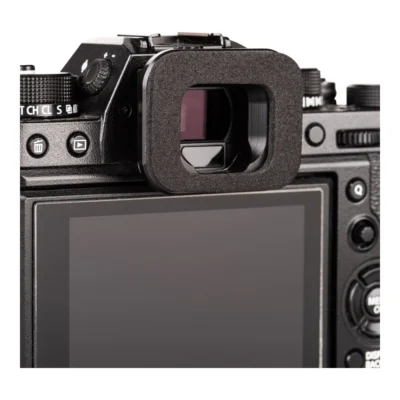
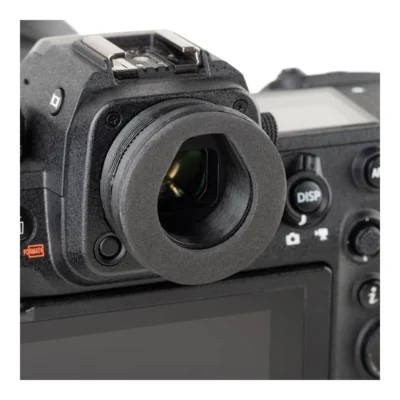
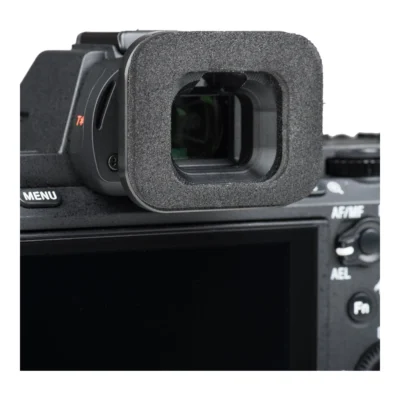
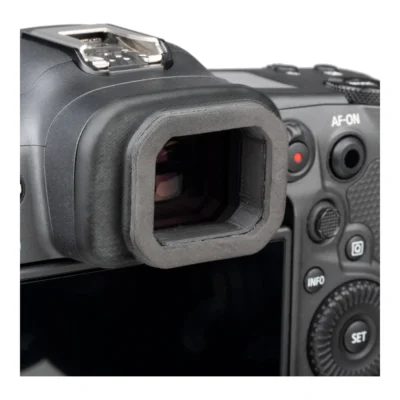
Covers with sleeves also seal around the viewfinder. You swap the camera's own eyecup for a dedicated eyepiece that the cover attaches to, so you can look through the finder without water creeping in from behind.
The eyepiece is the only part tied to the camera brand. Versions exist for different Canon, Nikon, Sony and Fujifilm bodies, and the shape of the viewfinder decides which one fits. Check your camera model against the eyepiece description before ordering. The cover itself moves between cameras.
If you mostly shoot from the rear screen you can skip the eyepiece and use the window instead.
Shooting in the rain
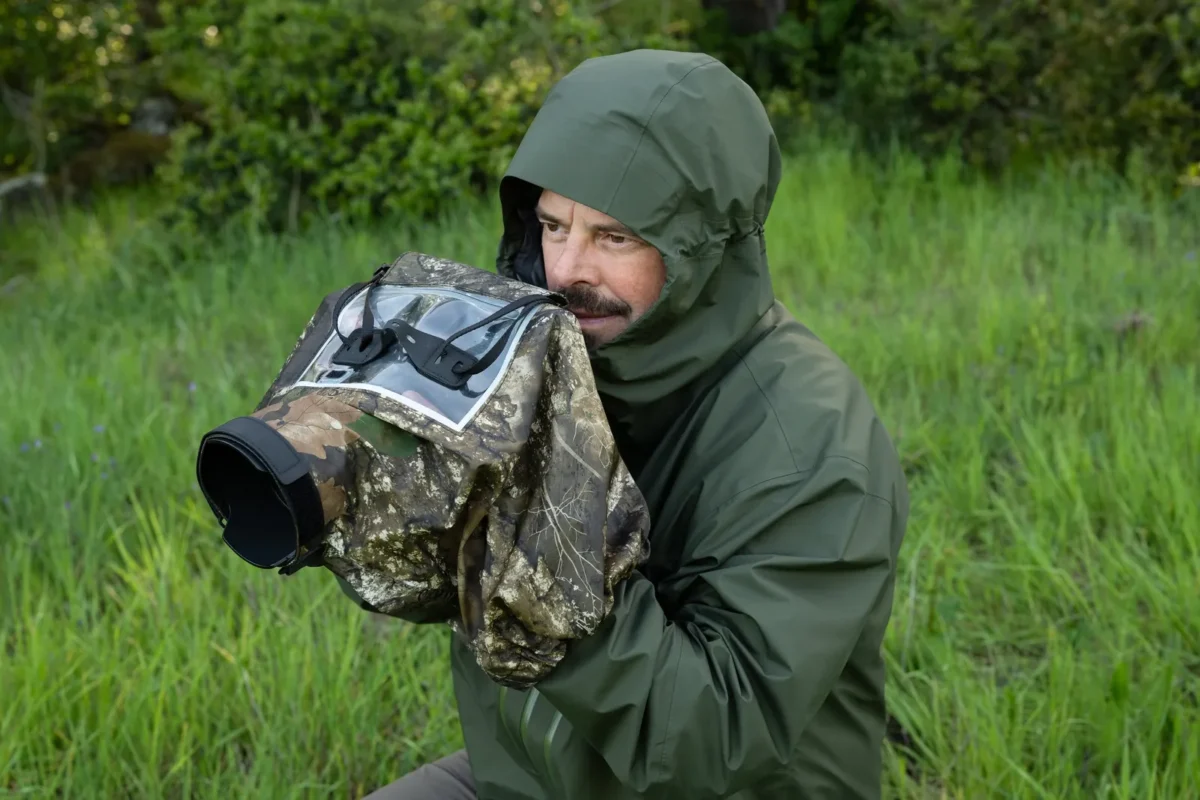
Put the cover on before the rain gets serious. Threading a wet camera into a cover with cold fingers is hard work.
The lens hood does a lot. It keeps drops off the front element, and it is drops on the glass that spoil pictures, not the rain itself. Keep a microfibre cloth in a dry pocket.
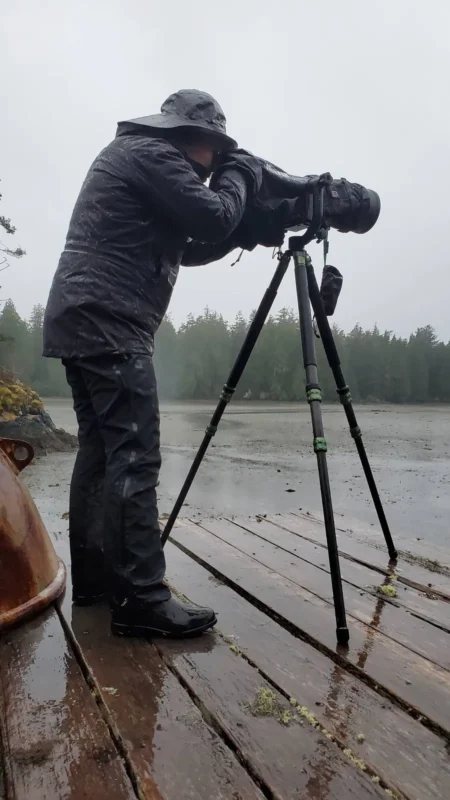
On a tripod the cover handles rain from above, but wind can still push water in from underneath. Stand with your back to the wind if you can.
The biggest risk comes afterwards. A cold camera carried into a warm room fogs up outside and inside. Leave it in the closed bag for a while so it warms slowly. Then dry the cover inside out before packing it away. A cover folded up wet starts to smell within days.
Rain covers for backpacks and bags
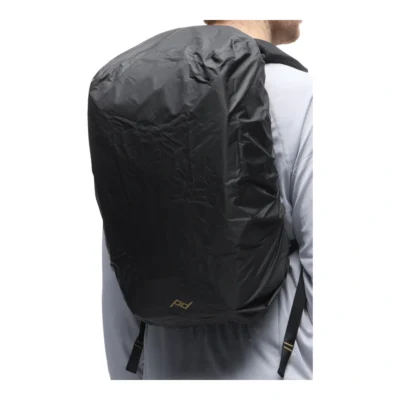
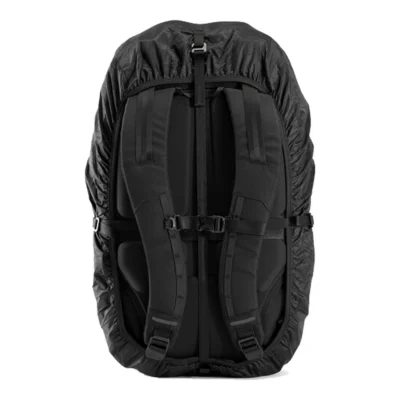
Water-repellent fabric copes with a shower. In steady rain water gets in through seams and zips, and a backpack standing on wet grass soaks it up from below. A full cover over the bag makes a real difference.
Bag covers are sized by the bag's volume in litres. Peak Design makes covers in several sizes for backpacks of different volumes, and Gomatic has one made for its own backpacks. A cover that is too big flaps and catches the wind. One that is too small won't go round a full bag.
Keep the cover in a pocket you can reach without unpacking. A rain cover underneath the camera at the bottom of the bag is no help once the rain starts.
Spare parts that keep a bag going
Bags wear unevenly. A broken strap or a lost divider rarely means the whole bag is finished, and a spare part costs a fraction of a new one.
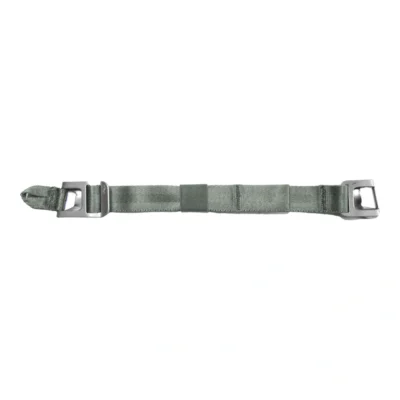
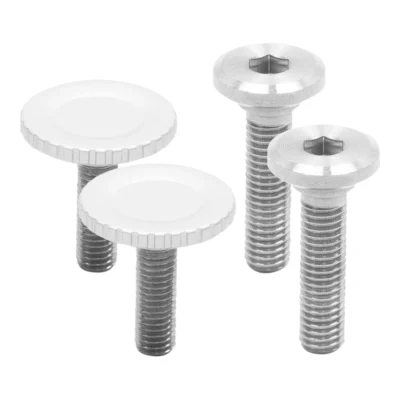
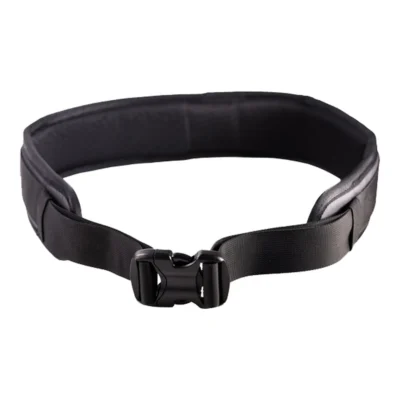
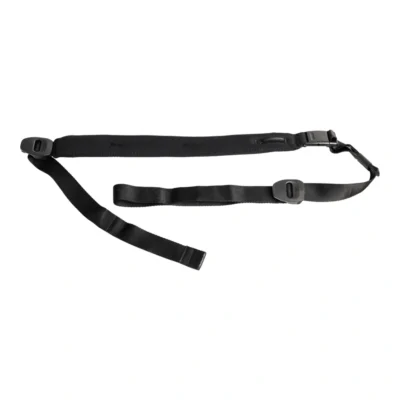
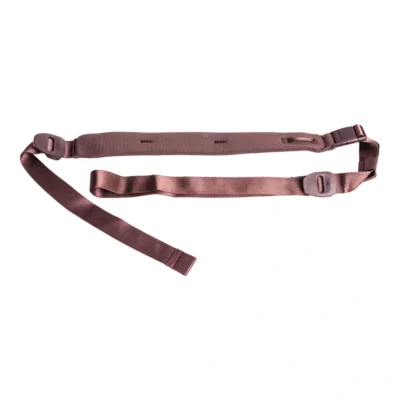
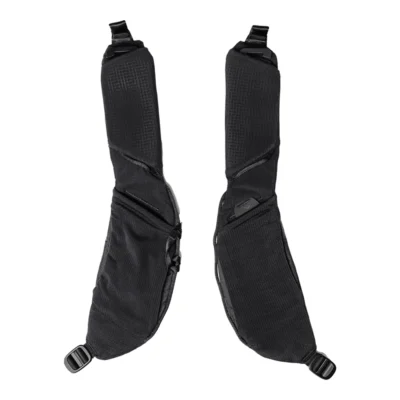
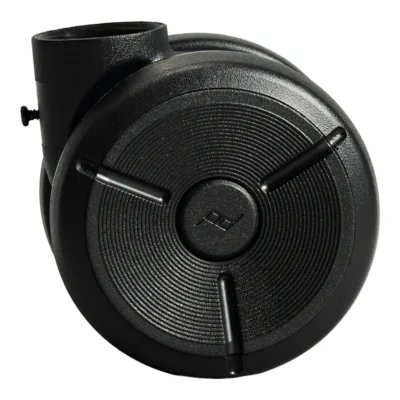
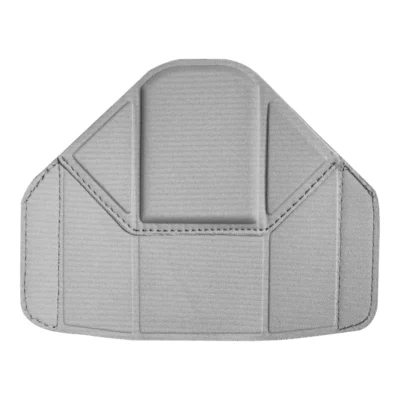
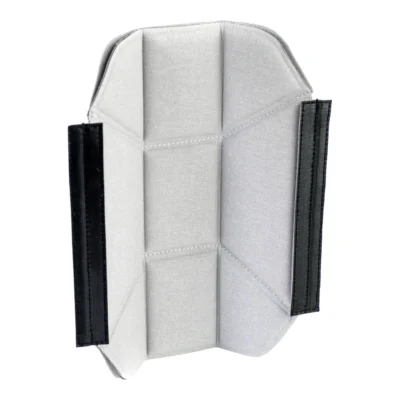
You will find dividers for Peak Design backpacks and slings, shoulder straps, hip belts, carry straps, wheels for rolling bags, bolt sets for camera clips and parts for travel tripods. For Gomatic backpacks there is a hip belt and waist straps.
Check which bag and which version a part is made for. Several parts come in different versions for different generations of the same bag, and a divider for an older one is not certain to fit the new one. If the version is printed inside the bag or on its label, go by that.
Frequently asked questions about rain covers & spare parts
Do I need a rain cover for my camera?
Yes, if you shoot outside in rain or snow for more than a short while. Weather-sealed cameras handle splashes, not hours of downpour. A rain cover costs less than a repair and packs into almost any bag.
What size camera rain cover should I choose?
Measure camera and lens together, from the back of the camera to the front edge of the lens hood, and choose a cover that reaches that far. Between two sizes, take the larger one.
Why does a rain cover need an eyepiece?
Covers with sleeves seal around the viewfinder with an eyepiece that replaces the camera's eyecup. The eyepiece must match your camera model, while the cover itself can be used on several cameras. If you only use the rear screen, you can do without it.
Is a water-repellent camera bag enough in the rain?
It handles a shower. In steady rain water gets in through seams and zips, so you need a rain cover over the whole bag. Choose the cover by the bag's volume in litres.
How do I avoid condensation on my camera after rain?
Leave the camera in the closed bag when you come indoors so it warms up slowly. Then dry the camera and let the rain cover dry inside out.
Can I buy spare parts for a Peak Design bag?
Yes, including dividers, shoulder straps, hip belts, wheels and bolt sets. Check which bag and which version the part is made for, as parts can differ between generations.