






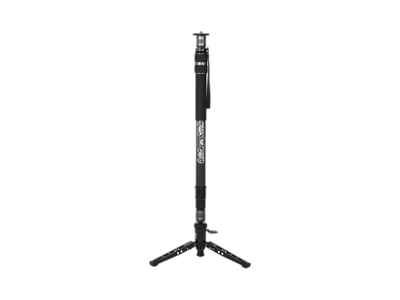










A photo tripod holds the camera completely still for long exposures, in low light and when you want to compose carefully. Compare maximum height and folded length, because they decide whether the tripod comes along on the trip. Carbon fibre weighs less than aluminium and damps vibrations. Also check the load capacity and whether a tripod head is included.



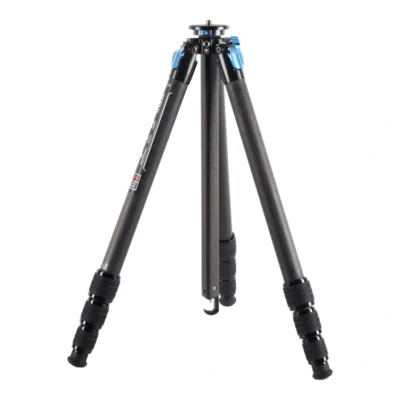

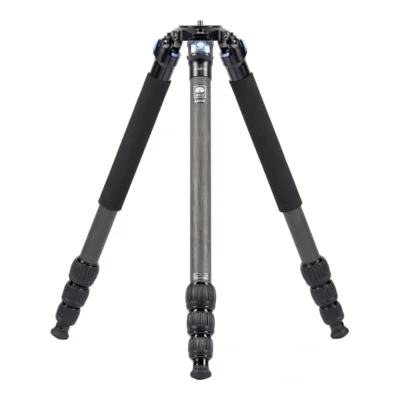

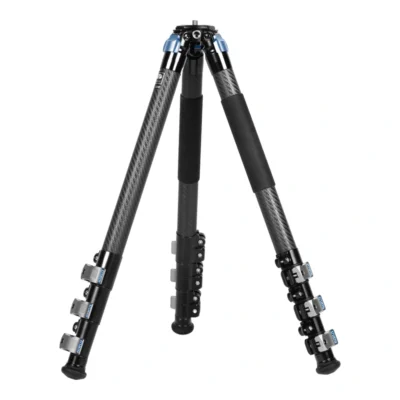
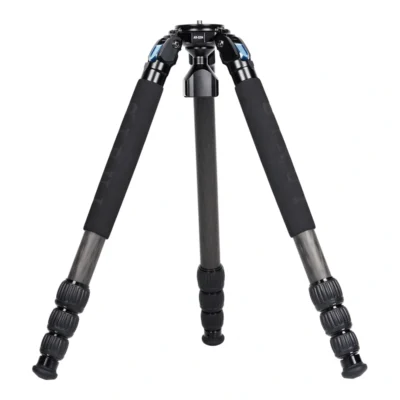
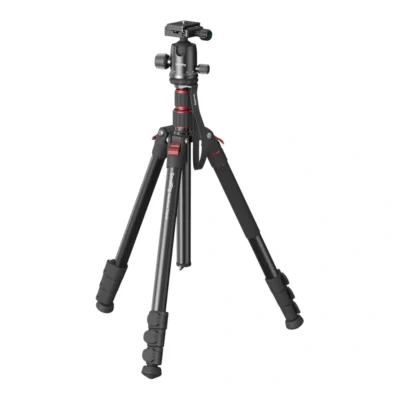
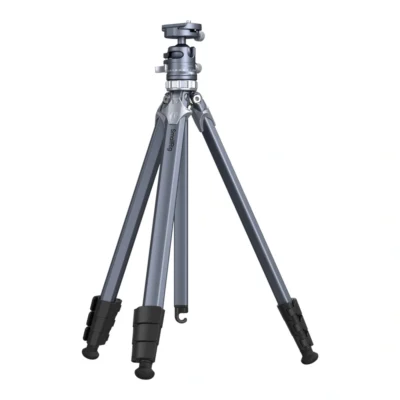

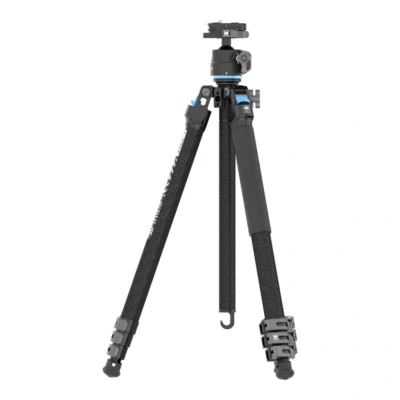


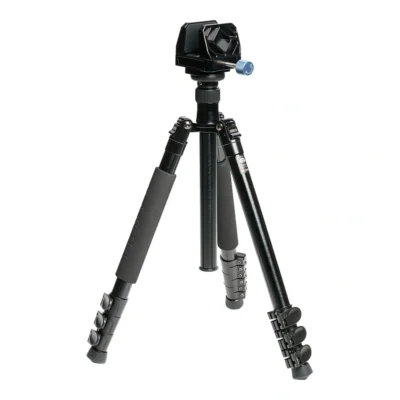
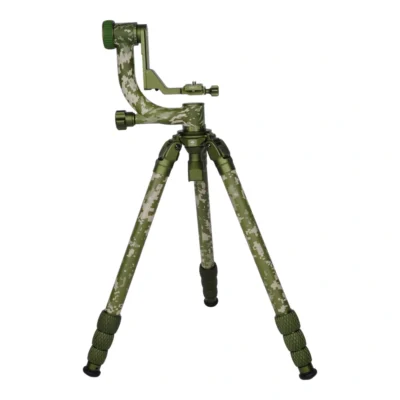
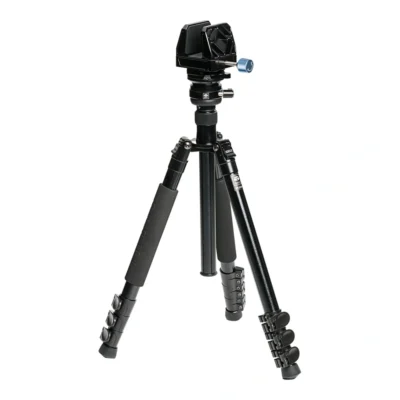

The photo tripod is the tripod most people picture. Three legs, a ball head and a camera that stays exactly where you put it, even with a thirty second exposure. This guide covers what separates one photo tripod from another and how to get the most out of the one you buy.
Travel tripod or full-size photo tripod
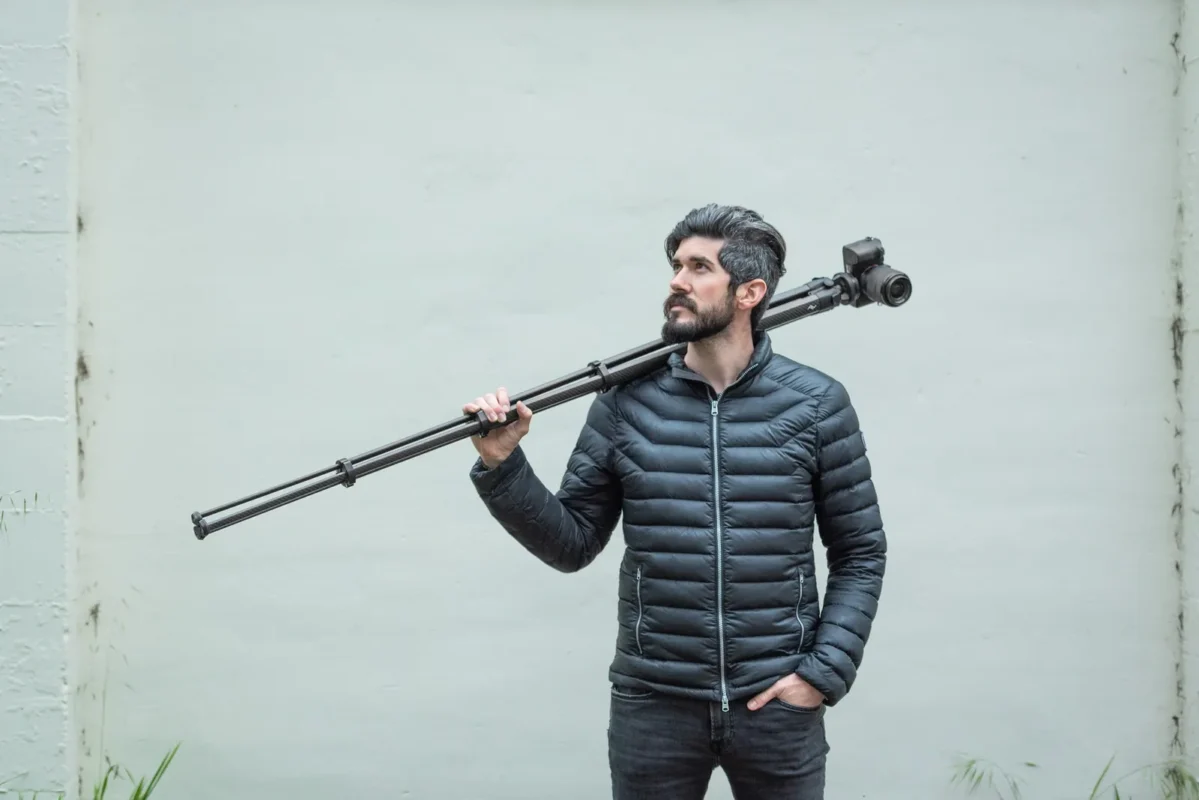
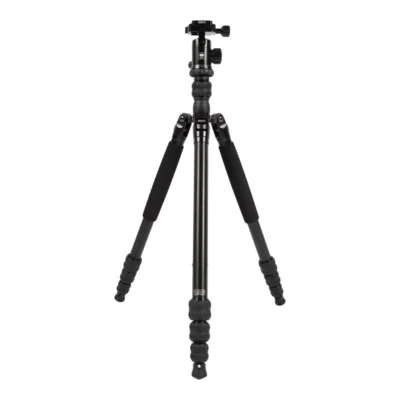
The first question is how often you will carry it. A travel tripod is built to be packed. It often has five leg sections, and the legs fold up around the head so the whole thing ends up around 30 to 45 cm long. It fits in a daypack or on the side of a camera bag.
The price of that short packed length is thinner bottom legs and a little less height. With a light mirrorless camera and a normal lens you will hardly notice. With a heavy telephoto in the wind you will.
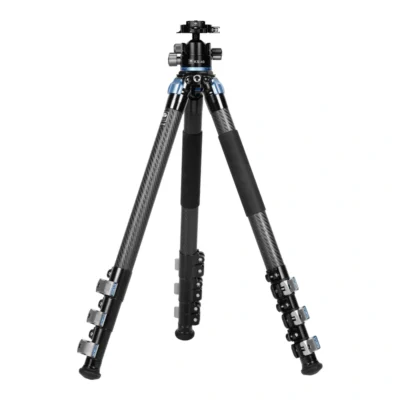
A full-size photo tripod has thicker legs, often three or four sections and a greater leg height. It is the better choice for landscapes near the car, studio work and heavy lenses. Sirui makes both kinds, from the Traveler series for travel to larger carbon tripods, and SmallRig has light travel tripods in both carbon and aluminium.
Plenty of people who shoot a lot end up with two: a small one that always comes along and a big one for the days when the picture is planned.
Carbon fibre or aluminium tripod
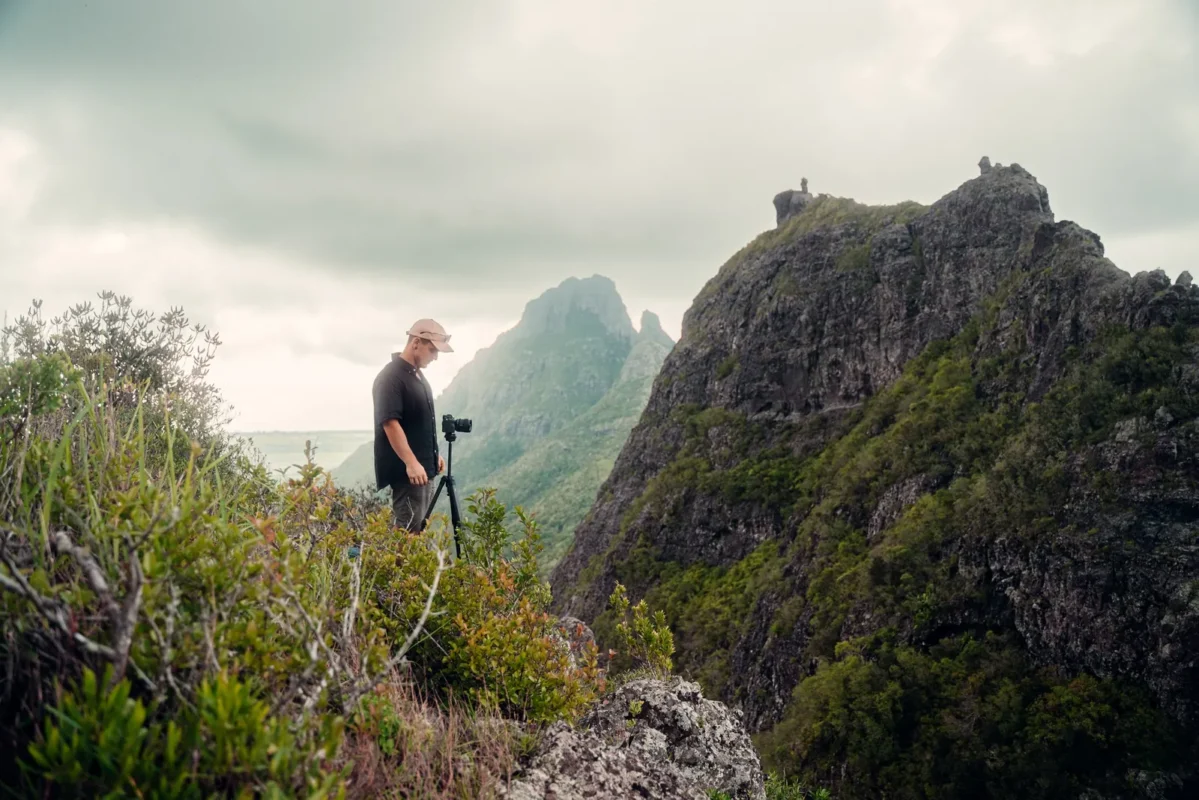
A carbon fibre tripod usually weighs 20 to 30 percent less than an aluminium one of the same size. That sounds small in grams. After a day in the mountains it is a lot.
Carbon has two more advantages. Vibration from wind or a touch on the camera dies out faster, and the legs do not feel as freezing to hold on a winter morning. Carbon does not corrode either, but the locks and joints are metal and need the same care.
Aluminium is cheaper and handles knocks differently. An aluminium leg that hits a rock gets a dent. A carbon leg can crack, and the crack is not always visible at once. In practice both last for years as long as they are not thrown around.
Our advice: if you carry the tripod far or fly with it, carbon is worth the money. If it mostly stays at home, in the studio or next to the car, aluminium is plenty.
Leg locks and centre column
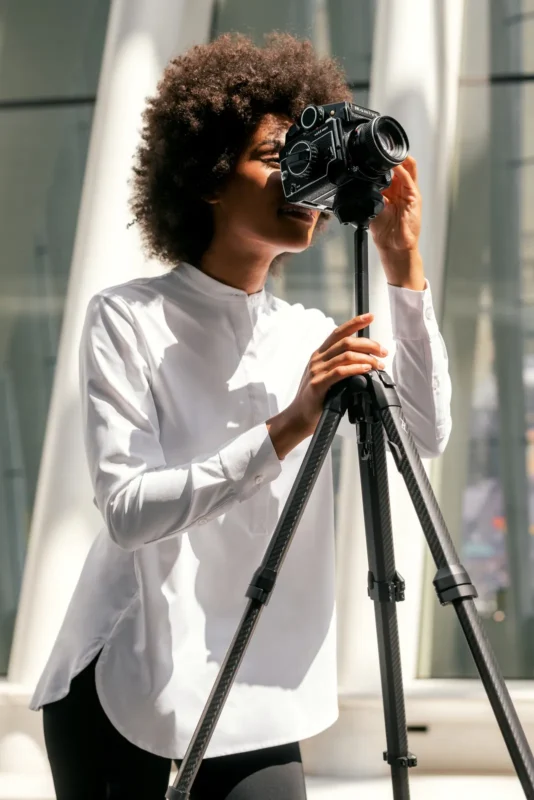
Legs lock with twist locks or flip locks. Twist locks are slimmer and collect less dirt on the outside. With the legs folded you can release all the locks on one leg with a single grip around them. Flip locks are easy to read, you see at once whether they are closed, and they are quick with gloves on. Both work well. It mostly comes down to what you are used to.
Each leg also has angle stops at the top, usually three or four positions. With the legs at the widest angle the tripod gets close to the ground.
The centre column is where photo tripods differ the most:
- Without a column the tripod is lighter and stiffer, and the head sits straight on the leg plate. The height has to come from the legs.
- A standard column gives extra height when needed, but the camera is less steady the further it is raised.
- A lateral column swings out to the side and holds the camera straight above a surface for top-down shots.
- A short column, often sold as an accessory, lets the tripod get almost to the ground.
Close to the ground and straight down
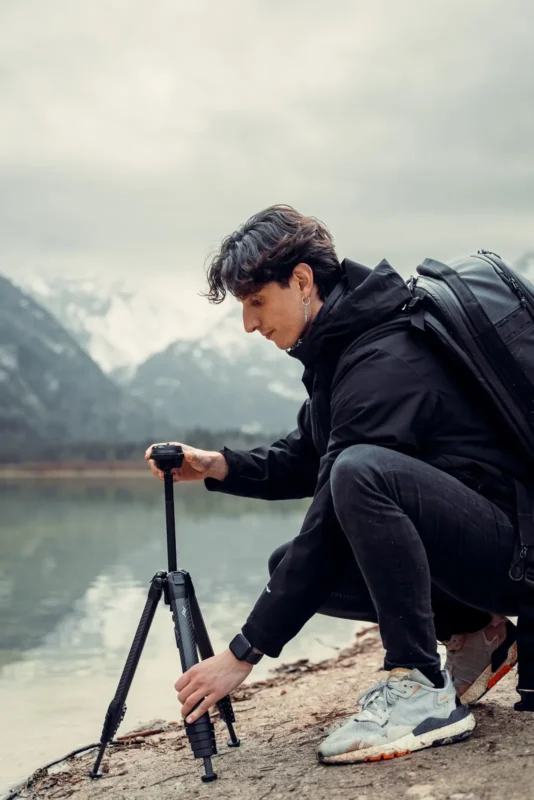
Minimum height is a figure many people miss. For macro, mushrooms and flowers, and for landscapes with a foreground close to the ground, you want a tripod that gets below 20 cm. With a long centre column the column often hits the ground before the legs are down. A short column or a tripod with no column solves it.
Some tripods let you mount the column upside down so the camera hangs between the legs. It works, but the image is upside down in the viewfinder and it takes getting used to.
For shots straight down, such as product photos, food and flat lays, a tripod with a lateral or tilting centre column is the simplest option. If the tripod has a hook, add a counterweight, or it may tip towards the side the column points.
Tripod kit or legs only
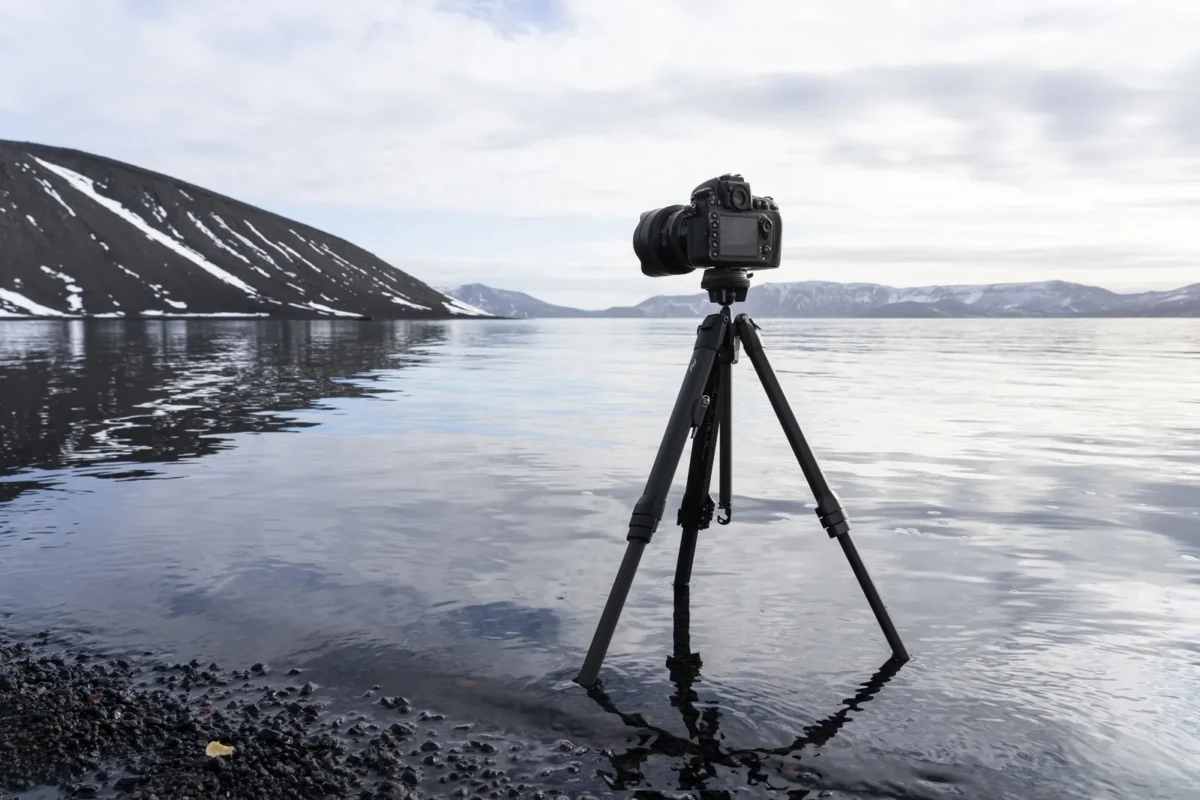
A tripod kit with a ball head is the easiest buy if it is your first tripod. The head and legs are matched and the plate is included.
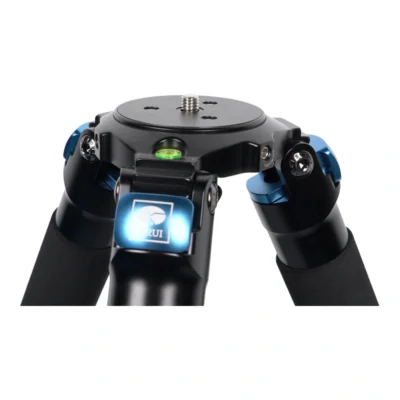
If you buy legs only, you choose the head freely. Check the mount on top of the legs. Most photo tripods have a 3/8 inch screw, often reversible to 1/4 inch, and some have a bowl for a video head or levelling base. When a spec sheet says Arca, it refers to the plate and head, not the legs.
There are also photo tripod kits for hunting and shooting, with a gun clamp instead of a ball head. For the Peak Design Travel Tripod there is a phone mount and spare parts, so a tripod with one broken part does not need replacing.
How to keep the camera completely still
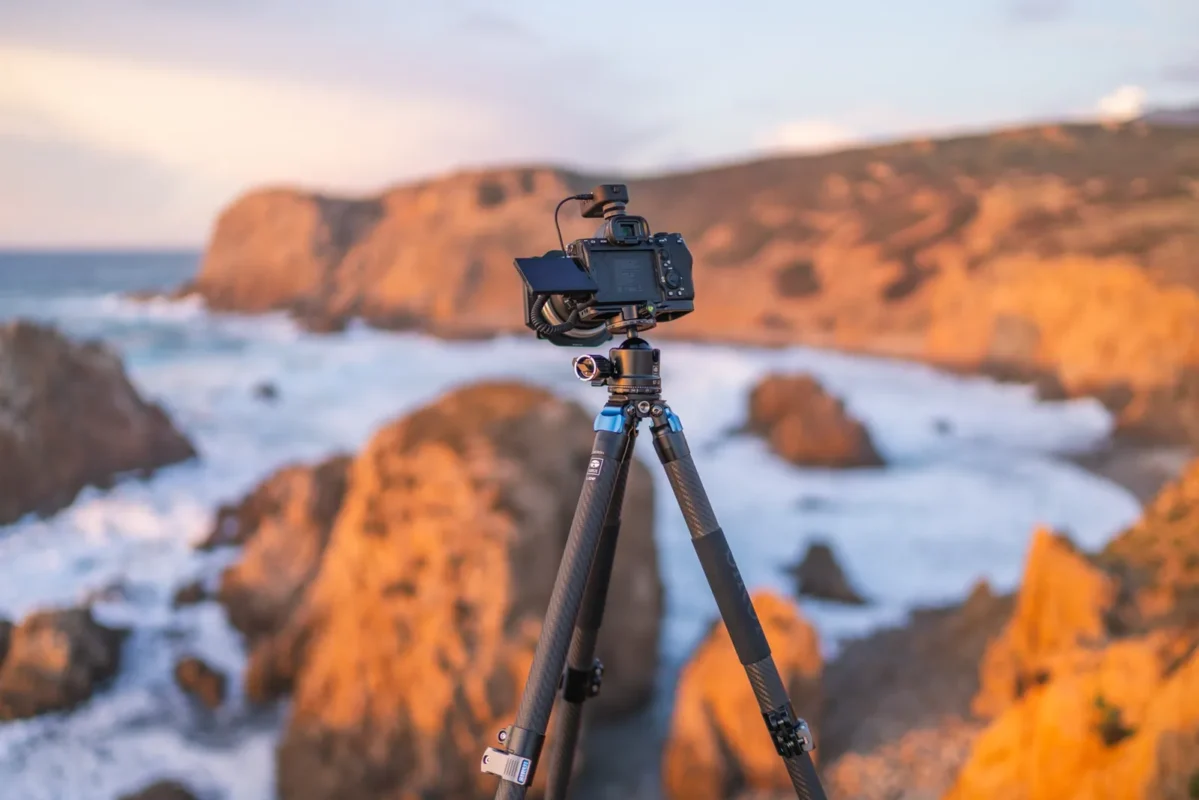
A tripod removes most of the shake, not all of it. These things make a difference:
- Fire the shutter with the two second self-timer or a remote. A finger on the button shakes the camera more than you would think.
- Check your camera manual on whether stabilisation should be off on a tripod. Many makers recommend it, some cameras detect the tripod themselves.
- Hang your camera bag from the hook under the column in the wind, but let it rest on the ground so it does not swing.
- Use spiked feet on grass, soil and snow, rubber feet indoors and on rock.
- Point one leg towards the subject. Then you can stand between the other two without kicking them.
After a day by the sea, wiping the legs is not always enough. Sand in twist locks grinds and wears them. On many tripods the locks can be taken apart, rinsed in fresh water and left to dry before they go back together.
Frequently asked questions about photo tripods
Which photo tripod is best for travel?
A carbon travel tripod with five leg sections and legs that fold up around the head. It gets short enough for a backpack and light enough to carry. Check that it reaches a working height without the whole centre column raised.
Is a carbon fibre tripod better than aluminium?
It is lighter and damps vibration faster, which is why most people who carry their tripod far choose carbon. Aluminium is cheaper and works just as well when the tripod does not need to be carried. Both are durable.
Should I buy a tripod with a ball head or legs only?
For a first tripod, a kit with a ball head is easiest because the parts are matched. Legs only make more sense if you already own a head or know you want a particular one, such as a gimbal head.
How low can a photo tripod go?
It varies a lot, from under 10 cm to half a metre. Tripods without a centre column or with a short one go lowest. Look at the minimum height figure if you shoot macro or close to the ground.
Should image stabilisation be off when the camera is on a tripod?
Many makers recommend it, because stabilisation can sometimes create small movements when the camera is already still. Some cameras and lenses detect the tripod and adjust by themselves. Check the manual for your camera.